

Does a Home Inspection Include the Furnace? NEPA Guide
Yes, a home inspection includes the furnace, boiler, or heat pump, within defined limits. The inspector runs the system, checks what is visible and accessible, and reports problems. But it is not a full HVAC service call.
That distinction matters most right now. Northeastern Pennsylvania’s heating season runs from October into April, and the system you are buying will carry a heavy load from the first cold week onward. Finding a failing furnace during the inspection period is far cheaper than finding it in January.
This guide covers what inspectors check, why NEPA heating systems fail early, what a home inspection does not cover, carbon monoxide safety, typical system lifespans, and the red flags that justify calling an HVAC specialist before you close.
What does a home inspector check on a furnace, boiler, or heat pump?
Under the InterNACHI Standards of Practice, the inspector operates the heating system using its normal controls, describes the energy source and heating method, and reports any system that did not operate or could not be accessed. In practice, that means an inspector at a NEPA home looks at:
- Age and identification: The data plate, manufacture date, and system type, which set the baseline for remaining life.
- Operation: Whether the system starts, runs, and produces heat through normal thermostat controls.
- Venting and flue: Visible flue pipe condition, connections, slope, and signs of rust, corrosion, or disconnection.
- Filters and airflow: Filter condition and the accessible ductwork or radiators that deliver heat.
- Visible corrosion, soot, and leaks: Rust on the cabinet, soot staining around the burner, water around a boiler, or oil odors near an oil burner.
- Fuel supply: Visible gas piping and shutoff valves, oil lines, and any sign of an old oil tank.
Everything is documented with photos in the report so you can act on it during the inspection period.
Why do NEPA heating systems fail early?
Three local factors push heating equipment toward the short end of its expected life.
- Long run seasons: A NEPA furnace or boiler runs hard for six months or more each year. More hours of operation means more wear on burners, blowers, and heat exchangers than the same unit would see in a milder climate.
- Oil and older gas boilers: Much of the region’s housing stock was built during the coal and oil heating era. Oil-fired systems need annual service and clean fuel, and neglect shows up quickly as soot, clogged nozzles, and corroded flues. Many of these homes also carry a buried oil tank that is a liability of its own.
- Hard water and boilers: Hydronic boilers in areas with mineral-heavy water build scale that reduces efficiency and shortens life.
Add deferred maintenance, which is common in homes that sat empty or changed hands, and a system with nameplate life left can already be on its way out. That is one reason older homes in NEPA carry extra risk for buyers.
What does a home inspection not cover on the heating system?
A home inspection is a visual, non-invasive evaluation. The InterNACHI standards do not require the inspector to inspect the interior of flues or heat exchangers, to inspect fuel tanks, to measure efficiency or capacity, or to dismantle equipment. Those tasks belong to an HVAC technician.
| What is evaluated | Home Inspector | HVAC Technician |
| Operates the system with normal controls | Yes | Yes |
| Reports visible venting, corrosion, and leaks | Yes | Yes |
| Estimates age and remaining life | Yes, from the data plate and condition | Yes |
| Inspects heat exchanger internals | No | Yes, with cameras or combustion testing |
| Measures efficiency or combustion output | No | Yes |
| Inspects duct interiors | No | Yes, on request |
| Provides repair quotes | No | Yes |
The two are complementary. The inspection tells you whether a closer look is warranted. The HVAC technician provides the diagnosis and the price.
Carbon monoxide and venting safety
Combustion heating is safe when it vents properly and dangerous when it does not. The EPA lists leaking chimneys and furnaces, back-drafting from furnaces and water heaters, and worn or poorly maintained boilers and furnaces among the sources of carbon monoxide in homes, especially when a flue is blocked, disconnected, or leaking.
Carbon monoxide is colorless and nearly odorless. At low concentrations it causes fatigue, and chest pain in people with heart disease. At higher concentrations it causes headaches, dizziness, impaired vision, and confusion, and it can be fatal.
Your inspector checks the visible venting, notes rust or disconnection, and reports whether carbon monoxide alarms are present. The EPA’s core advice is to keep combustion equipment maintained and properly adjusted. If the flue shows damage or the burner area shows soot, treat it as a safety item and bring in a technician before closing.
How long do heating systems last? Typical lifespan by type
The InterNACHI Standard Estimated Life Expectancy Chart gives these service-life guidelines under normal wear and regular maintenance. NEPA’s long heating season tends to pull the low end lower.
| System type | Typical service life (InterNACHI) |
| Gas or oil furnace (forced air) | 15 to 25 years |
| Hot-water or steam boiler | About 40 years |
| Heat pump | 10 to 15 years |
| Heat exchanger (furnace component) | 10 to 15 years |
| Oil burner | 10 or more years |
| Ductwork | 60 to 100 years |
A 20-year-old furnace in NEPA is near the end of its range, so plan for replacement rather than repair. For a newer system, use the home maintenance checklist to keep filters, service, and venting on schedule.
Red flags that justify an HVAC specialist before closing
Some findings are routine. Others should send you to a specialist, and to the negotiating table, before you own the problem.
- The system is past or near the end of its InterNACHI life range.
- The furnace or boiler would not start or did not produce heat during the inspection.
- Rust, soot, scorch marks, or corrosion on the cabinet, burner area, or flue.
- A disconnected, sagging, or corroded vent pipe.
- Oil odors, oil staining, or evidence of an old oil tank or line.
- Water around a boiler or signs of past leaks.
- Missing or expired carbon monoxide alarms near combustion equipment.
- Ductwork that is crushed, disconnected, or uninsulated in unconditioned spaces.
Any of these belongs on your repair request. Use the Pennsylvania home inspection checklist to keep heating alongside the roof, electrical, and plumbing during the inspection period.
Have the heating system inspected before you buy
Heating season is the worst time to discover a failing system and the best time to find one during an inspection. A Mountain to Valley inspection operates and documents the furnace, boiler, or heat pump under InterNACHI standards and flags exactly when a specialist is worth the call.
Buying a home in Northeastern Pennsylvania this fall? Schedule a Home Inspection Now or call 570-899-3255.
FAQs
Does a home inspection include the furnace?
Yes. Under InterNACHI standards the inspector operates the heating system with its normal controls, describes the fuel and heating method, and reports anything that did not operate or was inaccessible. It does not include heat exchanger internals or efficiency testing.
Does a home inspector check the heat exchanger?
Not the interior. A cracked heat exchanger usually requires camera or combustion testing by an HVAC technician. The inspector reports visible rust, soot, or corrosion that suggests a closer look is needed.
Will the inspector turn on the furnace during a summer inspection?
Usually, yes, if it can be operated with normal controls. Inspectors do not light pilot flames or override safety controls, and the report notes any system that was not tested and why.
How long does a furnace last in Pennsylvania?
InterNACHI lists 15 to 25 years for a furnace and about 40 for a boiler. NEPA’s long heating season pushes most systems toward the low end of those ranges.
Should I get a separate HVAC inspection before closing?
If the system is old, would not run, or shows rust, soot, or venting problems, yes. The home inspection tells you when that extra step is worth the cost.


15 Reasons You Need a Home Inspection in NEPA
A home inspection protects your money, your health, and your negotiating position, and it does so for a few hundred dollars against a six-figure purchase. It catches the roof, wiring, heating, and moisture problems a walkthrough misses, gives you leverage to ask for repairs or credits, and satisfies lenders and insurers that the home is sound.
Skipping it is still common. The National Association of REALTORS® Confidence Index reported that roughly one in five buyers waived the inspection contingency through 2025, usually to strengthen an offer in a competitive market. That is a bet placed with your own money.
This guide groups the 15 reasons under five headings: financial protection, safety and health, negotiating leverage, insurance and financing, and seller benefits. Updated September 2026.
Financial protection
1. A walkthrough does not show the full picture. Buyers notice kitchens and finishes. Inspectors check foundations, roofs, wiring, plumbing, and heating. Unless you have trade experience, the systems that cost the most to fix are the ones you cannot evaluate on your own.
2. You avoid a bad investment. The report identifies repairs needed now and later. Closing costs already take a bite of your cash in Pennsylvania, and an unplanned roof replacement or furnace on top can turn a sound purchase into a financial problem.
3. You can budget for future repairs. The report records the age and condition of each major system. That turns unknown risk into a timeline you can plan around, whether that means a heating system with five years left or a water heater near the end of its life.
Safety and health
4. Radon. The EPA identifies radon as the leading cause of lung cancer among nonsmokers, and Pennsylvania has some of the highest indoor radon levels in the country. Testing is the only way to know a home’s level. Mountain to Valley performs radon testing under PA DEP Radon Certification #3333.
5. Mold and moisture. NEPA basements, attics, and older bathrooms hold the moisture that mold needs. A general inspection notes moisture and staining, and indoor air quality and mold testing confirms what is in the air.
6. Outdated wiring. Knob-and-tube and aluminum branch wiring, fuse panels, and ungrounded outlets are common in the region’s older homes. They are a fire risk and an insurance issue, and an inspection is where most buyers first learn about them. See the six signs of unsafe old wiring.
7. Wood-destroying organisms, water, and structure. Termite and carpenter ant damage hides in sills and framing, so a wood-destroying organism inspection protects the structure. If the home has a private well, Pennsylvania leaves testing to the owner, so test the well water before closing.
New construction is not exempt from any of this. Newer homes still show grading, drainage, flashing, and workmanship problems that a municipal code inspection does not catch.
Negotiating leverage
8. The report is your negotiating tool. Documented defects with photos support a request for repairs, a credit, or a price reduction, and they give you a defensible reason to walk away if the problems are too large. How the credit works, and who typically pays for what, is covered in Does the Buyer or Seller Pay for the Home Inspection?
9. You can bundle repairs into the sale. A seller may agree to complete repairs before closing or credit the cost at settlement. Either way, you are not paying out of pocket the week you move in.
Insurance and financing
10. Insurers and lenders care about the same things you do. An aging roof, outdated wiring, a failing heating system, and water intrusion can raise premiums, trigger loan conditions, or block coverage entirely. An inspection surfaces these issues while there is still time to resolve them with the seller.
Seller benefits: the pre-listing inspection
Buyers are not the only ones who gain. A pre-listing inspection gives a seller five advantages of its own.
11. Accurate pricing. Appraisals lean on comparable sales. An inspection prices the home on its actual condition, and a clean report can support a stronger asking price.
12. A faster listing and closing. Buyers who see a recent report from a trusted local inspector move with more confidence, and fewer surprises mean fewer delays.
13. Control of the repairs. You choose the contractor, the scope, and the price rather than reacting to a buyer’s demands under a deadline.
14. Fewer disclosure and legal complications. Pennsylvania’s seller disclosure requirements cover known material defects. Knowing the home’s condition before listing helps you disclose accurately and avoid disputes after settlement.
15. The right buyers. A documented, well-maintained home stands out. It attracts buyers who are ready to close rather than buyers who are looking for a reason to renegotiate.
Inspection cost vs. the risk it removes
A home inspection is a one-time fee measured in hundreds of dollars. Each of the problems below is a repair measured in thousands, and each is one an inspection is built to catch.
| Problem | How the inspection finds it | What happens if it is missed |
| Roof at the end of its life | Age, material, flashing, and drone or walked inspection | Replacement shortly after closing |
| Failing furnace or boiler | Operated under normal controls, venting and corrosion checked | Emergency replacement in heating season |
| Elevated radon | Certified radon test | Ongoing health exposure and a mitigation system on your dime |
| Knob-and-tube or aluminum wiring | Panel and visible wiring evaluated | Rewiring plus insurance problems |
| Moisture and foundation water | Basement, grading, drainage, and staining inspected | Mold, structural damage, and waterproofing costs |
What a home inspection does not cover
An inspection is a visual, non-invasive evaluation of the accessible parts of a home under the InterNACHI Standards of Practice. It does not guarantee future performance, and it does not include radon, mold sampling, septic, wood-destroying organism, or well water testing. Those are add-on services, and in NEPA several of them belong on the same visit.
If you are weighing objections such as cost or a seller’s pressure to waive, Do I Really Need a Home Inspection in NEPA? answers those questions directly. This post is the list of what you gain.
Do not waive the inspection
Waiving an inspection to win a bidding war can leave you with tens of thousands of dollars in repairs and a home that is not safe. The few hundred dollars an inspection costs is the least expensive protection in the entire transaction.
Mountain to Valley Home Inspections is led by an InterNACHI Certified Master Inspector, holds PA DEP Radon Certification #3333, and delivers fast, photo-based reports you can use at the negotiating table. Schedule a Home Inspection Now or call 570-899-3255.
FAQs
What does a home inspection include?
A standard inspection covers the structure and foundation, roof, exterior, plumbing, electrical, heating and cooling, interior, insulation and ventilation, and fireplaces and chimneys. Radon, mold, septic, pest, and water testing are separate services.
How long does a home inspection take?
Most inspections take two to four hours on site depending on the home’s size and condition. Mountain to Valley turns reports around quickly, often the same day, so you can act inside your inspection window.
What happens if the inspector finds problems?
You use the report to negotiate repairs, a price reduction, or a credit toward closing costs. If the problems are severe, you can withdraw within your contingency period.
Should I waive the inspection to win a bidding war?
No. NAR surveys show roughly one in five buyers did so through 2025, and the trade-off is taking on unknown repair and safety risk with no way to renegotiate. A fast turnaround keeps your offer competitive without giving up the inspection.
Does a home inspection include radon, mold, or septic?
No. Those require separate testing. In NEPA, radon and well water tests and a septic inspection are often scheduled on the same visit as the home inspection.
Gutter Maintenance for NEPA Homes: Prevent Water Damage
Updated August 2026
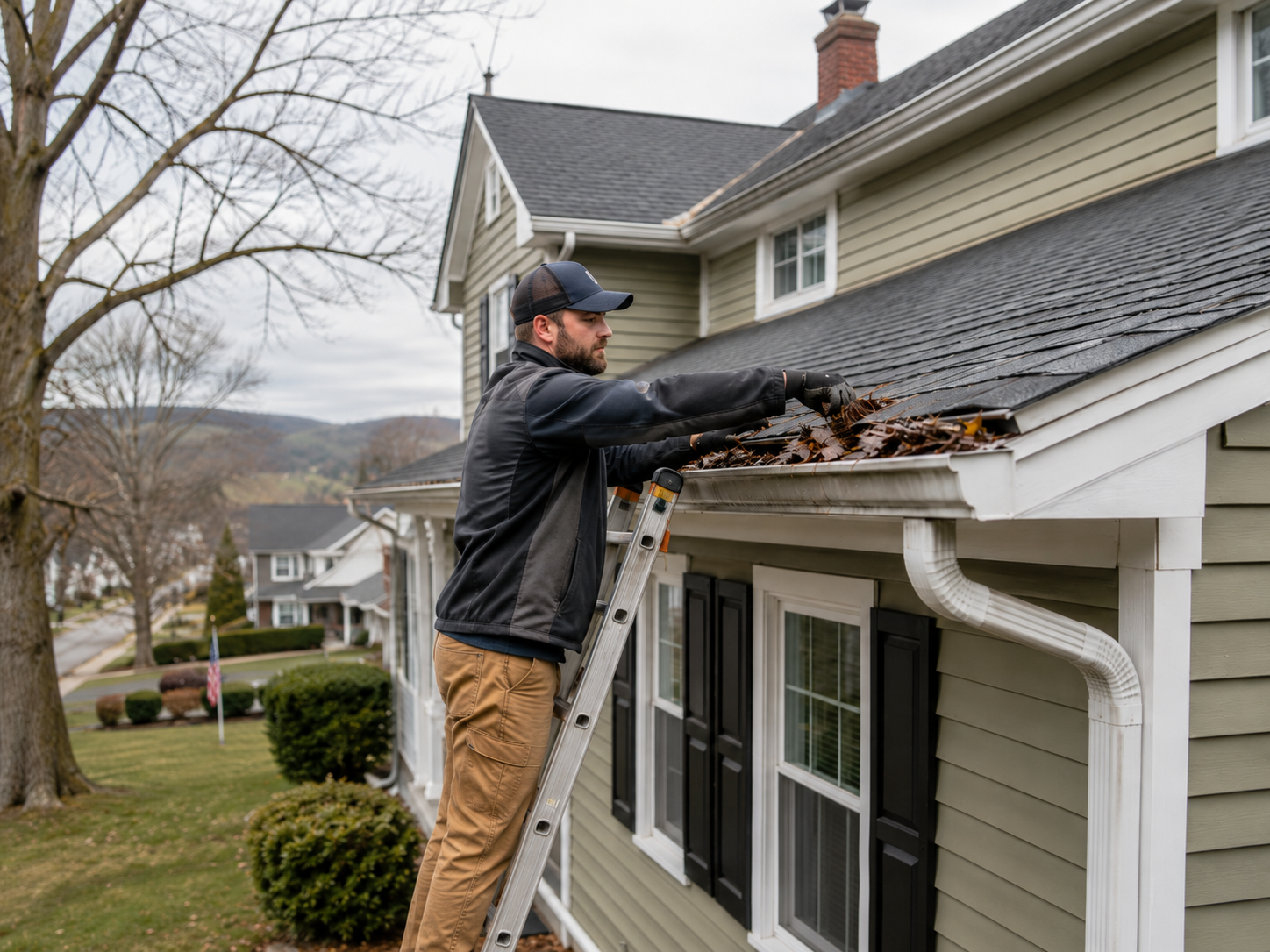
Gutters are a home’s first line of defense against water damage. When they work, rain and snowmelt flow away from the roof and foundation. When they clog, water backs up and finds its way into the places that cost the most to repair. Gutter and drainage problems are also among the most common findings in a home inspection.
In Northeastern Pennsylvania, that risk runs higher than in milder climates. Dense tree cover drops heavy leaf litter every fall, snow loads the roofline, and freeze-thaw swings turn standing water in a gutter into ice within hours.
This guide explains how clogged gutters cause bigger problems, gives you a simple seasonal checklist, and shows what an inspector looks for. Updated August 2026.
How do clogged gutters lead to bigger problems?
A clogged gutter does not stay a small problem. Water that cannot drain has to go somewhere, and it moves toward the parts of the house you least want it to reach.
- Ice dams and ice weight: Ice dams form when attic heat melts rooftop snow that refreezes at the cold eaves, forcing water back under the shingles. InterNACHI notes that gutters do not cause ice dams, but they concentrate the ice in a vulnerable spot, where the weight can tear gutters and fascia away from the house.
- Fascia and soffit rot: Overflowing water runs down the boards behind the gutter. Over time that wood softens, rots, and pulls the gutter loose.
- Foundation and basement water: Water that spills over the edge lands next to the foundation. It saturates the soil, seeps into the basement, and can crack the foundation as the ground shifts.
Each of these starts with the same cause. A gutter that cannot carry water away turns a normal rainstorm into a slow leak somewhere in the house. For a deeper look at how winter drives the worst of it, see how ice dams form and the damage they cause.
What is a simple seasonal gutter checklist?
Gutter maintenance is easier when you tie it to the seasons. NEPA’s weather gives each season a specific job.
Spring
- Clear out seeds, buds, and debris that built up over winter.
- Check for damage from ice and snow load, such as sagging or pulled-away sections.
- Confirm downspouts drain freely after the thaw.
Summer
- Flush gutters with a hose to check the flow and find slow spots.
- Trim back branches that drop leaves and debris onto the roof.
- Look for rust, separated seams, or loose fasteners while the weather is dry.
Fall
- Clean gutters after the leaves drop, which is the most important cleaning of the year in NEPA.
- Consider gutter guards if heavy leaf fall clogs your gutters every year.
- Clear downspouts and extensions before the first freeze so meltwater has a path.
Doing these small checks on a schedule prevents the large repairs that come from neglect.
What do inspectors notice about gutters and drainage?
Gutters are a standard part of a home inspection. Under the InterNACHI Standards of Practice, the inspector inspects the gutters and downspouts along with the roof covering, and evaluates surface drainage and grading where they may affect the structure through moisture intrusion.
An inspector flags gutter and drainage problems because they point to water damage risk. Common findings include:
- Clogged, sagging, or separated gutters, or gutters sloped so water stands instead of draining.
- Downspouts that dump water right next to the foundation.
- Water stains on fascia, soffits, or the exterior wall.
- Grading that slopes toward the house instead of away from it.
An inspector documents these findings with photos but does not clean or repair the gutters. That is the buyer’s cue to price the fix or ask the seller to handle it before closing. Gutter and drainage issues often connect to the roof, so see our guide on common roof problems and how to spot them for how these overlap.
How do downspouts and grading keep water away from the foundation?
Clean gutters are only half the system. The water still has to travel away from the house, and that is the job of downspouts and grading. InterNACHI’s guidance on gutters and downspouts calls for splash blocks or downspout extensions so runoff does not pond next to the foundation.
Downspouts should carry water several feet away from the foundation, not drop it at the base of the wall. If your downspouts feed an underground drain, confirm the line is clear and pitched to daylight, because a buried drain that clogs or freezes sends water right back toward the foundation.
Grading matters just as much. The ground should slope away from the house so surface water drains outward. When soil settles and slopes back toward the foundation, even clean gutters cannot stop water from pooling against the wall. For a season-by-season routine that covers this and the rest of the house, see our home maintenance checklist.
When do gutter issues signal roof or structural concerns?
Sometimes a gutter problem is the visible edge of a larger one. The repairs behind these signs, a new fascia board, a re-flashed roof edge, or a waterproofed foundation, cost far more than a gutter cleaning. Knowing the difference tells you when to call a professional.
- Gutters pulling away from the roofline, which can mean the fascia behind them has rotted.
- Large icicles and heavy ice buildup at the eaves every winter, which point to ice dams and attic heat loss.
- Water stains inside the home below the roofline, which suggest water is already getting in.
- Persistent basement moisture after rain, which ties drainage to the foundation.
If you see these, the gutters are telling you to look at the roof and structure. Winter is when they show up most, so review how snow and ice damage a NEPA roof before the season starts. If you suspect water has already gotten in, learn how to spot signs of previous water damage in your NEPA home.
Buying or selling a home in Northeastern Pennsylvania? A Mountain to Valley home inspection covers the roof, gutters, drainage, and grading so you know where the water goes. Schedule your inspection by calling 570-899-3255.
FAQs
How often should I clean my gutters in NEPA?
At least twice a year, in spring and fall. The fall cleaning after the leaves drop is the most important one in Northeastern Pennsylvania.
Can clogged gutters really cause foundation damage?
Yes. When gutters overflow, water pools next to the foundation, saturates the soil, and can seep into the basement or crack the foundation over time.
Are gutters included in a home inspection?
Yes. Under the InterNACHI Standards of Practice, the inspector inspects the gutters and downspouts as part of the roof, along with grading and surface drainage that may affect the structure.
Do gutter guards eliminate the need to clean gutters?
No. Guards reduce how often you clean, but they do not remove the need entirely. You still need to check the flow and clear fine debris, especially in heavy leaf areas.
Do clogged gutters cause ice dams?
Not directly. Ice dams form when attic heat melts rooftop snow that refreezes at the cold eaves. Clogged gutters make the situation worse by concentrating ice at the roof edge, where the weight can damage gutters and fascia.
Buried Oil Tanks in NEPA Homes: What Buyers Need to Know
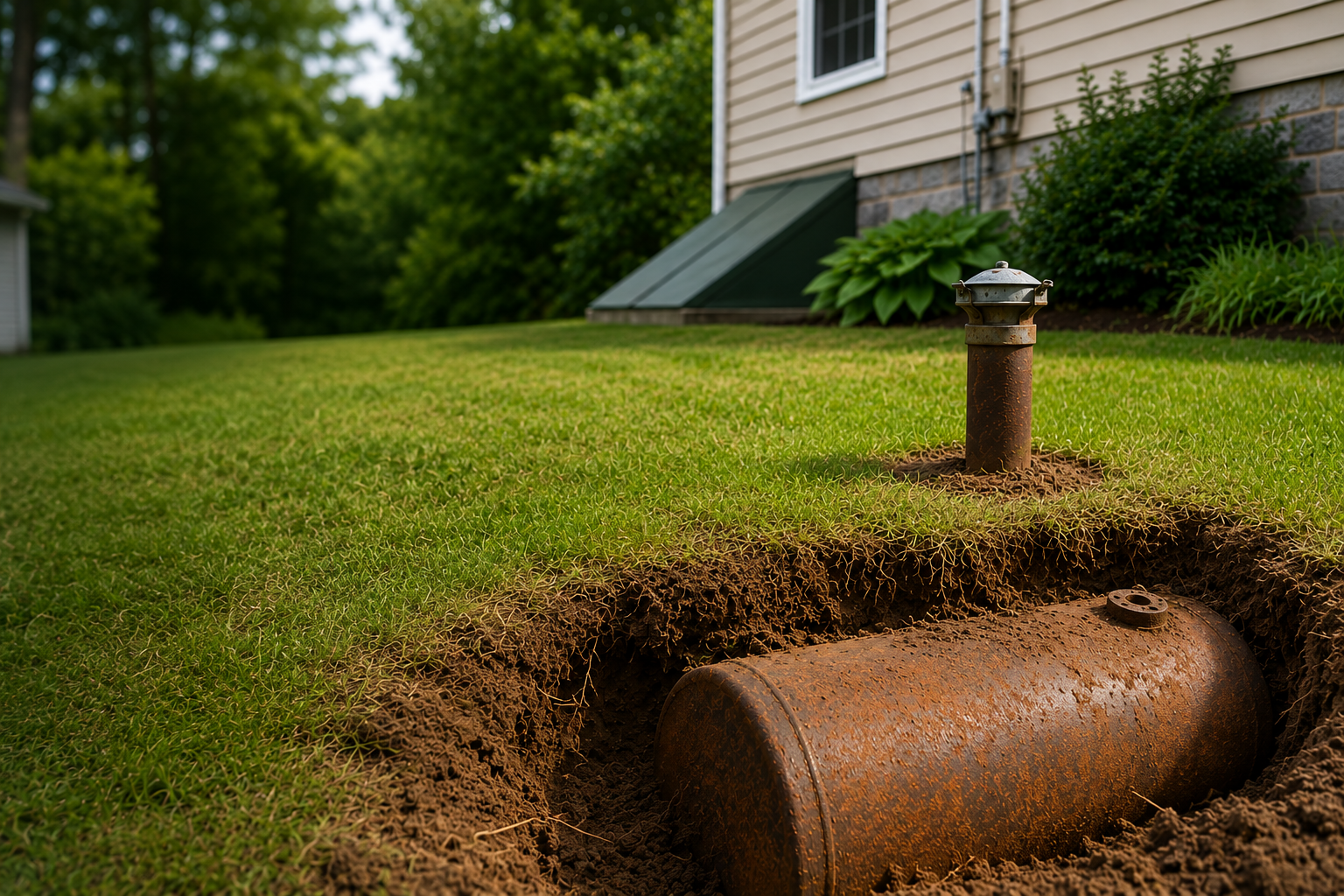
Many older homes in Northeastern Pennsylvania were once heated with oil, and some still have the storage tank buried in the yard. A standard home inspection does not locate or test buried oil tanks, and a buyer can inherit the cleanup liability the day the deed transfers.
Here is the core problem. The U.S. Environmental Protection Agency excludes tanks storing heating oil used on the premises from federal underground storage tank rules. That means no required leak detection, no corrosion protection, and no monitoring. A buried tank can sit and rust for decades with no one watching it.
This guide explains why so many NEPA homes have these tanks, how to spot the signs, what a leak can cost, and how to protect yourself before you close.
Why do many older NEPA homes have underground storage tanks?
Northeastern Pennsylvania has a large stock of homes built during the coal and oil heating era. Many were built before natural gas service reached every street, so oil heat was the practical choice for decades.
When owners later converted to gas or electric, the old underground tank was often left in place rather than removed. The tanks are usually steel; they typically hold a few hundred to about a thousand gallons, and steel corrodes underground. That is small enough to disappear under a lawn or driveway, which is why so many go unnoticed at the time of sale.
The result is a hidden liability. The Pennsylvania Department of Environmental Protection warns that heating oil releases can pollute drinking water supplies, contaminate soils, and expose the tank owner to liability if neighboring properties are affected. An abandoned tank may still hold old oil and sludge.
Buried tanks are one of several risks that come with the region’s older housing stock. For the broader list, see our guide on buying an older home in NEPA and 9 common issues to look for.
What are the signs a property may have a buried or abandoned tank?
You often cannot see the tank, but you can see its clues. Look for signs at the house and in the yard.
- A fill pipe or vent pipe sticking out of the ground or the exterior wall.
- Capped or disconnected copper lines running through the basement or foundation.
- An old furnace or boiler that once ran on oil, or a patched area where equipment was removed.
- A round metal cap or a small unexplained pipe in the lawn, or a patched or sunken area of the yard.
- Records, permits, or delivery tags that mention oil heat.
If the home now has gas or electric heat but shows any of these signs, ask the seller directly whether a tank was ever removed and request the paperwork. A tank that was never properly closed is still a risk.
What is the real cost of a leaking oil tank?
A release is expensive, and the cost usually lands on the property owner. The Pennsylvania DEP notes that cleanup costs are often not covered by typical homeowner’s insurance policies, and a release that affects a neighbor’s property adds liability on top of the cleanup.
The state offers limited help. Pennsylvania’s Underground Heating Oil Tank Cleanup Reimbursement Program covers tanks of 3,000 gallons or less. It carries a $1,000 deductible and reimburses remaining eligible costs up to $4,000 per tank, which rarely covers a full soil cleanup.
A known or suspected tank also affects resale. Lenders and future buyers ask the same questions you should be asking now, so an unresolved tank follows the property until someone deals with it.
How are buried tanks located and evaluated?
A standard home inspection evaluates the readily accessible and visible parts of a house. Locating a hidden tank is environmental work, and a home inspection does not include excavation, soil testing, or scanning the ground. An inspector can and should note surface clues such as a fill pipe or capped oil lines.
When a tank is suspected, a qualified environmental professional locates it, checks whether it still holds product, and evaluates whether a release has occurred. The DEP recommends contacting at least two reputable environmental professionals when planning to decommission or remove an underground tank.
If the tank stays in the ground, confirm the fill pipe and vent line are removed or grouted so no one can accidentally deliver oil to it, and notify the last known delivery company that the tank is out of service. If contamination is observed or suspected, notify the regional DEP office.
What questions should you ask the seller before you buy?
Put the tank question directly to the seller during the inspection period, in writing where possible.
- Has the property ever had oil heat, and where was the tank located?
- Was the tank removed or closed in place, and is there paperwork for the work?
- Was any soil testing done at removal, and what were the results?
- Have there been any oil deliveries, spills, or cleanup actions on the property?
- Will the seller agree to a tank locate, removal, or cleanup credit as part of the sale?
Make removal, decommissioning, or a cleanup credit part of your purchase negotiation. A buried oil tank is not always a reason to walk away. It is a reason to investigate and to negotiate with full information.
How does this tie into Phase I environmental due diligence?
Buried tanks are exactly the kind of risk a Phase I Environmental Site Assessment is designed to catch. A Phase I researches the property’s history, past land uses, and environmental records, which is the right tool when a buried tank or other legacy contamination is suspected.
Old heating oil tanks behind homes and commercial buildings are among the most common findings in NEPA assessments. To understand how the process works, read what an Environmental Phase 1 Assessment is and whether you need one. For commercial or mixed-use purchases, the tank question belongs inside the broader commercial realty due diligence process.
Buying an older home in Northeastern Pennsylvania? Mountain to Valley Home Inspections provides Phase I Environmental Site Assessments and can help you evaluate environmental risk before you close. Call 570-899-3255.
FAQs
Does a home inspection include checking for a buried oil tank?
No. A standard home inspection covers visible and accessible components. Locating a buried tank requires environmental work such as a Phase I Environmental Site Assessment, not a general inspection.
Are residential heating oil tanks regulated?
The EPA excludes tanks storing heating oil used on the premises from federal underground storage tank rules. State or local agencies may still have requirements, which is why paperwork on any removal matters.
Who pays to clean up a leaking oil tank?
The property owner is responsible. Pennsylvania’s reimbursement program helps with eligible costs after a $1,000 deductible, up to $4,000 per tank, but the DEP notes most costs are not covered by standard homeowner’s insurance.
Can I leave a buried tank in the ground?
Sometimes a tank can be closed in place by emptying it and grouting the fill and vent lines, but that decision belongs to a qualified environmental professional. An abandoned tank that still holds oil remains a risk.
Should a buried oil tank stop me from buying the home?
Not necessarily. It should become part of your negotiation. Knowing the tank exists lets you require removal, decommissioning, or a price credit before you close.
[/vc_column_text]

Does a Home Inspection Include the Roof? (NEPA, 2026)
Yes, a home inspection includes the roof, within defined limits. Your inspector evaluates the roof as one of the major systems of the house, but a general inspection is not the same as a roofing contractor’s teardown.
Here is what that means for a buyer in Northeastern Pennsylvania. The inspector reports on the visible, accessible condition of the roof and flags problems that need closer inspection or repair.
Knowing the roof’s condition before you close protects you from one of the most expensive repairs a home can need.
This guide covers what your inspector checks, how NEPA weather shortens roof life, when a drone is used, how long each roof material lasts, and the red flags that signal costly repairs. Updated July 2026.
Does a home inspection include the roof?
Yes. The roof is part of a standard home inspection. Under the InterNACHI Standards of Practice that MTV follows, the roof covering, flashing, and roof drainage are all within scope.
What the inspection is not is a warranty or a guarantee. An inspector documents the roof’s condition on the day of the inspection. Homes in Pennsylvania are not passed or failed. The report gives you the facts so you and your agent can decide how to proceed.
That distinction matters because the roof drives negotiations. A roof near the end of its life is a five-figure future cost, and the inspection is what tells you that before you own it.
What does an inspector check on the roof?
The inspector looks at the parts of the roof that keep water out and the parts that fail first. Each is reported with photos.
- Shingles or roof covering: Missing, cracked, curling, or lifted shingles, and granule loss that signals age.
- Flashing: The metal seals around chimneys, walls, and penetrations are common leak points.
- Valleys: The channels where two roof planes meet and where water concentrates.
- Penetrations: Vents, pipe boots, skylights, and chimneys, where seals crack over time.
- Gutters and drainage: Whether water is carried away from the roofline and foundation.
- Structural signs: Sagging or uneven planes that can point to deeper problems.
The inspector also notes the roof’s apparent age and material, which feed into the lifespan estimate later in this guide.
How does NEPA weather shorten roof life?
Northeastern Pennsylvania subjects roofs to a harsh cycle every year. The same forces that make the region beautiful also wear roofs out faster than a mild climate would.
Three forces do most of the damage. Snow load adds weight that stresses the structure and the shingles. Ice dams form when attic heat melts snow that refreezes at the eaves, forcing water back under the shingles. Freeze-thaw cycles repeatedly expand and contract roofing materials, which loosens seals and lifts shingles.
Together, these pull down the low end of any roof’s expected life. For a deeper look at winter damage and how to spot it, see our guide on how snow and ice damage a NEPA roof.
Walked, drone, or ground: which inspection does your inspector use?
Not every roof can or should be walked. The method depends on the roof’s pitch, height, material, and the weather that day.
- Ground inspection: Used when a roof is too steep, too high, or too fragile to walk safely. The inspector assesses from the ground with optics.
- Walked inspection: Used when the roof is safely accessible. Walking allows a close look at seals and soft spots.
- Drone inspection: Used for steep, tall, wet, or fragile roofs where walking is unsafe. A drone captures close, high-resolution images of every plane.
This is where MTV differs from many inspectors. Mountain to Valley operates under an FAA airman certificate (license #4118345), so a licensed pilot can fly a drone to inspect a roof that others would only view from the ground. That means fewer blind spots on exactly the roofs that are hardest to assess. Learn more about the advantages of drones for home inspections.
How long should your roof last? Lifespan by material
Roof material sets the baseline for how long a roof lasts, and NEPA’s freeze-thaw cycle tends to pull the low end lower. The figures below reflect typical service life published by InterNACHI.
| Roof Material | Typical Service Life (InterNACHI) |
|---|---|
| 3-tab asphalt shingles | About 20 years |
| Architectural asphalt shingles | About 30 years |
| Wood shingles and shakes | About 30 years |
| Metal | About 40 to 80 years |
| Slate | About 60 to 150 years |
| Clay or concrete tile | About 100 years |
Use these as a starting point, not a promise. A 15-year-old asphalt roof in NEPA that has weathered heavy snow and ice may have far less life left than its age suggests. The inspection is what tells you where a specific roof falls on this range.
What are the red flags that signal costly roof repairs?
Some findings are minor. Others point to a repair or replacement you should price before closing. Watch for these on the report.
- Widespread granule loss or bald, brittle shingles.
- Active leaks, or water stains on ceilings, in the attic, or on the sheathing.
- Damaged or missing flashing around chimneys, walls, and valleys.
- Sagging rooflines, which can point to structural or moisture damage.
- Cracked vent boots and failed seals at penetrations.
- Gutters pulling away from the fascia, which often means rot behind them.
For a fuller breakdown of what these defects look like, see our guide on common roof problems and how to spot them.
What does a roof inspection not cover?
A roof inspection has limits, and knowing them keeps your expectations accurate. Under the InterNACHI Standards of Practice, an inspector is not required to walk a roof that is unsafe to access, and does not guarantee the future performance or remaining life of the roof.
The inspection also does not include the interior of flues or chimneys, and it is not a substitute for a roofing contractor or structural engineer when major damage is suspected. If a serious concern is flagged, that is the next step. You can see how the roof fits the full process in the Pennsylvania home inspection checklist for buyers.
Get the roof inspected before you buy
The roof is the most weather-exposed system on the house and one of the most expensive to replace. A home inspection tells you its condition while you can still act on it.
Buying a home in Northeastern Pennsylvania? Mountain to Valley Home Inspections uses drone technology and follows InterNACHI standards to give you a clear read on the roof.
FAQs
Does a home inspection include the roof?
Yes. The roof covering, flashing, and drainage are part of a standard home inspection under InterNACHI standards. The inspector reports the roof’s condition but does not guarantee its future performance.
Will the inspector walk on my roof?
Sometimes. The inspector walks a roof only when it is safe to do so. For steep, tall, or wet roofs, MTV uses a drone or a ground assessment instead.
How long does a roof inspection take?
The roof portion is a small part of the full inspection. The whole home inspection usually runs a few hours depending on the size and condition of the property.
Can a home inspection tell me exactly how many years my roof has left?
No. The inspector estimates remaining life from the material, age, and visible condition, but no one can guarantee an exact number. Material lifespan ranges are a starting point.
Do I need a separate roofer if the inspection finds a problem?
Often, yes. If the report flags a serious defect, a licensed roofing contractor gives a repair scope and cost. The inspection tells you when that step is worth taking.
Do You Need to Test Well Water When Buying a NEPA Home?
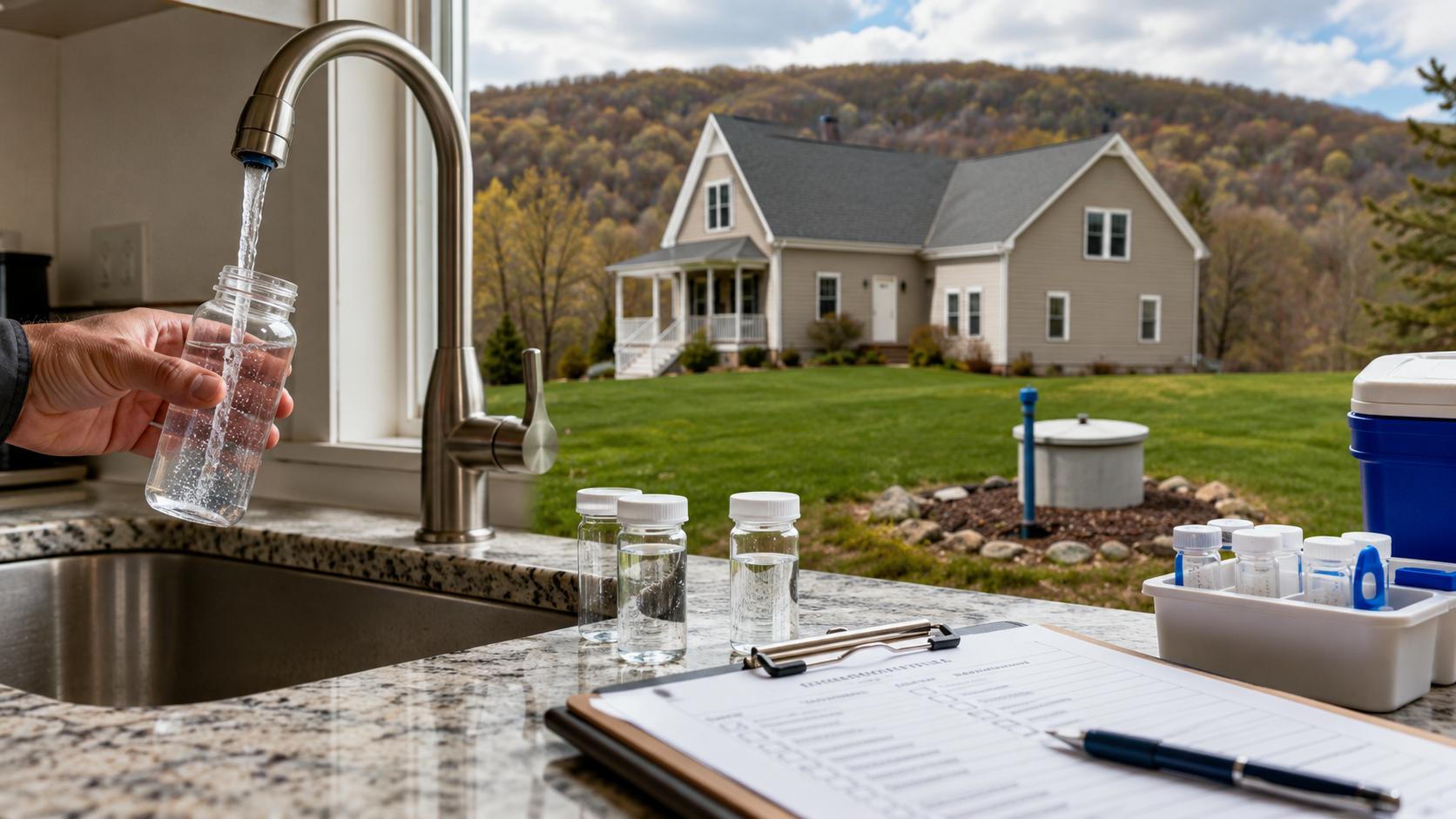
Yes. If the home you are buying in Northeastern Pennsylvania runs on a private well, test the water before you close. A standard home inspection does not test what comes out of the tap, and Pennsylvania does not test private wells for you.
Here is why that matters. Penn State Extension reports that about half of the private water systems it has tested fail at least one drinking water standard. Many of those problems have no taste, smell, or color. The only way to find them is a lab test.
This guide covers what a well water test checks, why NEPA wells carry extra risk, when to test, and how to read your results.
Do you need to test well water before buying a home in NEPA?
Yes, and the reason is simple. A private well is not monitored by any government agency. Penn State Extension makes it clear that testing a private supply is the owner’s voluntary responsibility, and no one routinely tests it for you.
Public water is different. A public utility tests its water on a schedule and reports the results. With a private well, that job passes to you the day you take ownership.
Test before you close, not after. A pre-purchase test tells you the true condition of the water while you can still negotiate repairs, treatment, or price. After closing, any problem and its cost become yours.
Why do private wells in NEPA carry extra risk?
Northeastern Pennsylvania combines rural geology, farmland, and a long mining history. Each of those land uses can affect what ends up in a well.
Penn State Extension links common well pollutants to activities on the land surface, including mining, agriculture, and industry. In a former anthracite region like NEPA, past mining is one of the land uses that warrants a closer look at metals and acidity.
Farm runoff adds another risk. Fertilizer and animal waste raise nitrate levels, which are a specific health concern for infants under six months of age.
Age is a factor too. Pennsylvania has no statewide construction standards for private wells, so an older well may have a cracked casing, a failed surface seal, or a missing cap. Any of those lets surface water and bacteria into the supply.
What does a private well water test check?
A good pre-purchase panel checks for health risks and for problems that damage plumbing. At a minimum, test for the following:
- Total coliform bacteria and E. coli: Coliform signals a pathway for contamination. A positive E. coli result points to human or animal waste and is the more serious finding.
- Nitrates: Common near farmland. High levels are dangerous for infants and for pregnant women.
- Lead: Often comes from older plumbing and fixtures rather than the groundwater itself.
- Arsenic: Occurs naturally in some Pennsylvania groundwater. Penn State Extension notes a health standard of 0.01 mg/L and finds elevated arsenic in roughly 2 to 6 percent of the private supplies it studies.
- pH: Low, acidic water corrodes pipes and can leach lead and copper into your water.
- Total dissolved solids and hardness: These affect taste, staining, and the life of your appliances.
If the property sits near a specific land use, add tests for that risk. A gas station, a former industrial site, or heavy agriculture nearby all call for a wider panel.
Standard home inspection vs. well water testing
A home inspection and a water test answer two different questions. One looks at the house and its systems. The other looks at what you drink.
| Feature | Standard Home Inspection | Private Well Water Test |
|---|---|---|
| What it checks | Roof, structure, and visible systems | Bacteria, nitrates, metals, and water chemistry |
| Water quality | Not included | The entire focus |
| Who performs it | A licensed home inspector | A PA DEP accredited laboratory |
| When to do it | During the inspection period | During the inspection period, before closing |
| What it protects | The condition of the property | The health of your household |
A full picture of the property needs both. You can review the systems an inspection does cover in our Pennsylvania home inspection checklist.
When should you test your well water?
Test at the moments when contamination is most likely. Penn State Extension and the Pennsylvania Department of Environmental Protection point to a clear list.
Test your well water when:
- You are buying or moving into the home.
- It has been a year or more since the last bacteria and nitrate test.
- The taste, color, or smell of the water changes.
- The area has flooded, or a nearby septic system has failed.
- You have repaired or replaced part of the well system.
For ongoing ownership, Penn State recommends testing every year for total coliform and E. coli, and every three years for pH and total dissolved solids. The Pennsylvania DEP also recommends testing private well water once a year.
Home test strips vs. certified lab testing
Store-bought strips are convenient, but they cannot do the job that matters here. They give rough readings for a few basics such as pH and hardness.
Strips cannot reliably detect bacteria, nitrates, arsenic, or organic chemicals. Those results determine whether the water is safe to drink.
Use a laboratory accredited by the Pennsylvania DEP. An accredited lab collects or supplies the appropriate containers, uses the correct methods, and provides results you can act on. Professional water testing removes the guesswork before you commit to the home.
How do you read your well water results and what comes next?
Compare each result to its drinking water standard. Primary standards cover health risks such as bacteria, nitrate, lead, and arsenic. Secondary standards cover nuisance issues such as iron, staining, and odor. Private wells are not covered by the EPA, so these standards are a benchmark rather than a rule someone enforces for you.
If bacteria show up, the standard first step is shock chlorination, which is a measured dose of chlorine used to disinfect the well. If bacteria return, the well has a physical problem such as a cracked casing that needs repair, not just more chlorine.
If a chemical result is high, match the treatment to the contaminant. Nitrate, arsenic, and lead each call for a different system, so identify the problem before buying any equipment.
Keep the well and the septic system in mind together. If the home has a private well, it very likely has an on-lot septic system, and the two are connected risks. A septic inspection belongs on the same checklist as a water test.
Test the water before you buy
A private well is a benefit and a responsibility. Testing before you close is a small step that protects your health and your budget for years.
Buying a NEPA home with a private well? Mountain to Valley Home Inspections offers professional water testing across Northeastern Pennsylvania.
FAQs
Does a home inspection include well water testing?
No. A standard home inspection checks the house and its systems, not the quality of the water. Well water testing is a separate service performed through a certified laboratory.
How much does it cost to test well water in Pennsylvania?
Basic bacteria testing is inexpensive, while a wider panel that adds metals and chemistry costs more. The price is small next to the cost of treating a problem you did not know about.
How often should I test a private well?
Penn State Extension recommends testing every year for total coliform and E. coli, and every three years for pH and total dissolved solids. Test right away if the water changes or after a flood.
Can I use a home test kit instead of a lab?
Home kits are fine for quick spot checks, but they cannot reliably detect bacteria, nitrates, or arsenic. For results you can rely on, use a PA DEP accredited laboratory.
The water looks and tastes fine. Do I still need a test?
Yes. Many of the most serious contaminants, including bacteria, nitrates, and arsenic, have no taste, smell, or color. A lab test is the only way to find them.

Do I Need a Radon Inspection On a New Home in NEPA?
You should absolutely get a radon inspection when buying or selling a home, as Northeast Pennsylvania is home to some of the highest radon concentrations in the nation.
After smoking, radon is the second leading cause of lung cancer in the United States.
Radon is an invisible, odorless, radioactive gas that naturally occurs in soil and can seep into properties through cracks in the foundation, posing severe long-term health risks if left unaddressed.
According to the Pennsylvania Department of Environmental Protection, 40% of homes in Pennsylvania have radon levels above the EPA-recommended level of 4.0 pCi/L. According to one chart, all counties in Northeast Pennsylvania sit in the highest-potential radon exposure zone.
Radon testing is not included in traditional property evaluations and requires a specialized professional test, costing around $420 on average.
While DIY radon tests are available online, radon levels fluctuate throughout the home, often giving inaccurate readings. Professional tests include longer-term monitoring to provide an accurate assessment of radon levels in your home.
In this article, we will break down how professional radon testing works, why radon is an important health concern in the commonwealth, and why to avoid DIY kits.
Why Is Radon Exposure Dangerous?
Radon is a silent gas found in all soil and rock. The end product of radioactive decay, radon can destroy lung tissue when inhaled in large quantities.
Radon gas itself is chemically inert, meaning it does not readily react with other elements. However, it is highly unstable and radioactive.
As radon decays in the indoor air, it breaks down into solid radioactive particles known as radon progeny or “radon daughters” (including polonium-218 and polonium-214).
These microscopic heavy metal particles attach themselves to ambient dust, smoke, and moisture droplets, which are easily inhaled deep into the respiratory tract. Once trapped in the lungs, these particles continue to decay rapidly, releasing a specific type of ionizing radiation known as alpha particles.
Symptoms of radon often don’t manifest until lung cancer has progressed to later stages, making early testing essential for mitigating long-term effects.
Due to its unstable nature, radon can differ in quantity among homes on the same street block or neighborhood.
How Common Is Radon in Northeast Pennsylvania?
Pennsylvania is widely recognized by environmental agencies as one of the most severe radon hot spots in the United States. According to the Pennsylvania Department of Environmental Protection (DEP), roughly 40% of homes tested across the Commonwealth have radon concentrations exceeding the EPA’s action level of 4.0 pCi/L.
The vast majority of NEPA counties are classified by the EPA as Zone 1, indicating the highest statistical potential for severe, elevated indoor radon levels.
| County | EPA Risk Zone | Average Tested Indoor Radon Level | Regional Risk Context |
| Wyoming County | Zone 1 (Highest Risk) | 20.0 pCi/L | 5 times the EPA action limit; tied for the highest county average in PA. |
| Susquehanna County | Zone 1 (Highest Risk) | 16.0 pCi/L | 4 times the EPA action limit; heavy concentrations across rural and residential areas. |
| Lackawanna County | Zone 1 (Highest Risk) | 12.0 pCi/L | 3 times the EPA action limit; extreme risk throughout Scranton and surrounding valley municipalities. |
| Monroe County | Zone 1 (Highest Risk) | 8.5 pCi/L | More than double the safe threshold; highly prevalent in the Poconos region. |
| Luzerne County | Zone 1 (Highest Risk) | 6.8 pCi/L | Significantly elevated above safe levels; highly volatile footprint across Wilkes-Barre and Hazleton. |
| Wayne County | Zone 2 (Moderate Risk) | 6.0 pCi/L | Still exceeds the EPA action level despite a lower macro-zone classification. |
According to the PA Radon Hub, testing in Easton reveals radon levels averaging around 8.52 pCi/L, and in Bethlehem, 6.44 pCi/L.
The extreme prevalence of radon gas in Northeast Pennsylvania is entirely driven by the region’s unique subsurface geology. The bedrock throughout the region contains vast formations of granite, dark shale, and uranium-bearing crystalline structures.
As the naturally occurring uranium in this rock decays over millions of years, it breaks down into radium, which further degrades into radon gas.
Since radon is a gas, it migrates upward through porous soil, easily entering residential properties through foundation cracks, sump pumps, and construction joints.
How Does Radon Testing Work?
Radon testing determines the level of radon gas in your home by the amount of picocuries per liter (pCi/L). According to EPA standards, anything above 4 pCi/L is considered dangerous.
Radon testing can be administered either by a professional certified by the National Radon Proficiency Program (NRPP) and the National Radon Safety Board (NRSB) or by an at-home kit provided by your state agency.
There are generally two types of radon tests that can be administered for short-term or long-term readings:
- Passive Testing: A charcoal canister is sent to a lab to determine the amount of radon exposure.
- Active Testing: An electronic device collects radon readings over a long period of time (90 days or more) to determine the amount of exposure.
If unsafe levels of radon are found in the home, an active test will be employed for further observation.
Is Radon Testing Included in My Home Inspection?
A standard home inspection does not include radon testing.
In Pennsylvania, for example, individuals administering radon tests for a real estate transaction must be specifically certified by the Department of Environmental Protection (DEP).
A standard home inspection license does not legally authorize an inspector to conduct official radon testing or interpret the results for a real estate contingency.
Be sure to look for proper credentials when hiring a radon inspector in Northeast Pennsylvania.
Should I Trust DIY Radon Testing Kits?
The single biggest flaw of a DIY radon test kit is its reliance on the person setting it up.
To get an accurate reading, strict “closed-house conditions” must be maintained for 12 hours before the test begins and throughout the testing period (usually 48 hours to a week). This means keeping all windows closed and limiting the opening of exterior doors to brief, necessary entries and exits.
Certified radon inspectors do not use charcoal canisters or liquid scintillation vials found in hardware store retail kits. Instead, they utilize advanced, calibrated Continuous Radon Monitors (CRMs).
These specialized electronic devices offer distinct advantages that a DIY kit simply cannot replicate:
- Hourly Data Tracking: Rather than providing a single, ambiguous average at the end of the week, a CRM records radon levels, temperature, relative humidity, and barometric pressure every single hour. This detailed data mapping allows professionals to spot unusual spikes or anomalies.
- Anti-Tamper Technology: Professional CRMs are equipped with internal motion sensors and data loggers. If someone moves the device, opens a window (causing a sudden drop in temperature or a spike in barometric pressure), or tries to interfere with the environment, the report will flag the exact hour and nature of the disruption. This legally protects the integrity of the test results for both buyers and lenders.
- Rapid, Certified Results: Real estate contracts have tight inspection windows, often requiring all testing to be completed within 10 to 14 days of signing. With a DIY kit, you have to mail the device to a third-party laboratory and wait days for processing. A professional inspector can download the CRM data immediately upon concluding the 48-hour test, delivering a certified, comprehensive report on the spot.
Ultimately, while a DIY kit might save a few dollars upfront, the financial and physical risks of a false negative are far too high. Investing in a professional radon inspection ensures that your data is legally admissible, completely accurate, and safe from human error or interference.
FAQs
What is radon?
Radon is a naturally occurring, radioactive gas that is produced by the breakdown of uranium in soil, rock, and water. It is invisible, odorless, and tasteless, making it undetectable without specialized testing. Radon can enter homes through cracks and gaps in the foundation and accumulate to dangerous levels.
Why is radon dangerous?
Radon is the second leading cause of lung cancer in the United States, responsible for approximately 21,000 lung cancer deaths annually. When inhaled, radon gas releases radioactive particles that can damage lung tissue over time, increasing the risk of lung cancer. The risk is especially high for smokers exposed to elevated radon levels.
How does radon enter my home?
Radon enters homes through cracks and openings in the foundation, walls, floors, and around pipes. It can also be released from well water. Because it comes from the ground, radon is often found in higher concentrations in basements or lower levels of a home, but it can be present at any level.
How can I tell if my home has high radon levels?
Radon is completely invisible, odorless, and tasteless, meaning there are absolutely no physical warning signs. The only definitive way to know if your home has high radon levels is to perform a dedicated radon test using either a professional continuous radon monitor or a certified testing kit.
What is a “safe” level of radon?
Biologically speaking, there is no entirely safe level of radon exposure, as any amount of radiation carries a minor risk of cellular mutation. However, the EPA has established an action level of 4.0 pCi/L (picocuries per liter of air).
If a home tests at or above 4.0 pCi/L, the EPA strongly recommends installing a radon mitigation system. Even if your results fall between 2.0 pCi/L and 4.0 pCi/L, you should still consider mitigation to lower the risk further.
If a home has high radon, can it be fixed?
Yes, absolutely. High radon levels are a very common issue, and they can be reliably fixed by installing a radon mitigation system.
The most common method is a sub-slab depressurization system, which uses a dedicated vent pipe and an inline fan to draw radon gas out from beneath your foundation and safely vent it to the air above your roofline, preventing it from entering your living spaces.
Who pays for radon mitigation during a home sale?
In a typical real estate transaction, the cost of installing a radon mitigation system is entirely negotiable between the buyer and the seller. However, if a professional test reveals levels at or above 4.0 pCi/L, it is customary for the buyer to request that the seller cover the costs of remediation before closing.
A seller will usually either hire a certified mitigation contractor to install the system prior to the final walkthrough or provide a financial credit to the buyer at closing to cover the expense.
7 Reasons Home Buyers Should Get a Mold Inspection in NEPA
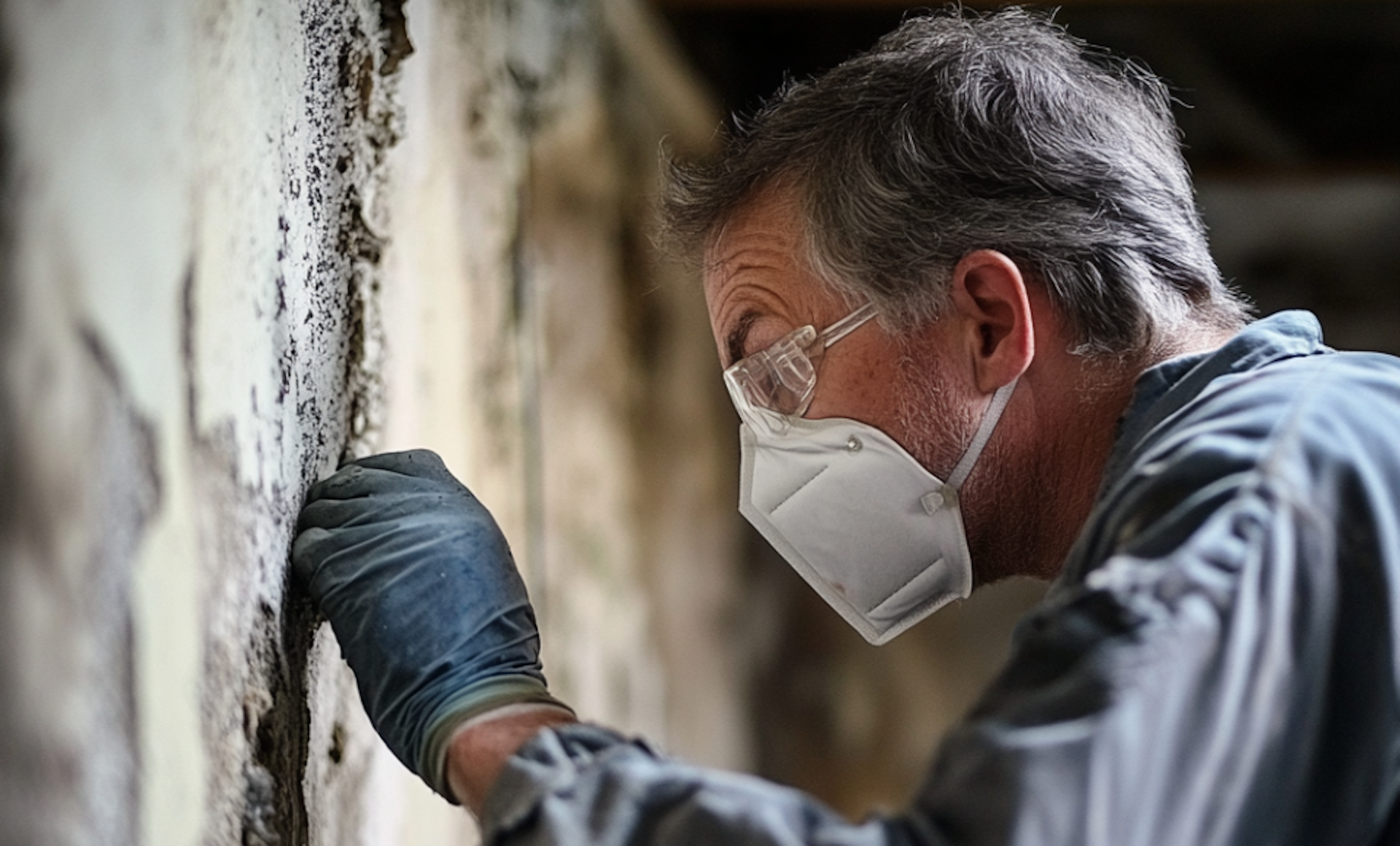
A mold inspection is necessary when buying a home in Northeast Pennsylvania because traditional home inspections do not cover comprehensive mold evaluations.
While standard home inspectors check for visible structural issues, they are not equipped to detect hidden fungal growth, toxic spores, or dormant moisture pockets trapped behind walls.
Given that the National Institute for Occupational Safety and Health (NIOSH) estimates that mold is present in up to 47% of U.S. residential homes, investing in a specialized mold assessment is essential to protecting your health and avoiding thousands of dollars in unexpected remediation costs.
While you may not think of mold exposure too much in the cold climate of Northeast PA, the high humidity of summer, combined with the poor ventilation that many older homes, unfortunately, provide, can make any home the perfect breeding ground for mold.
Discover seven essential reasons why a dedicated mold inspection is a must for every homebuyer. You will learn the critical differences between mold inspection and testing, along with actionable strategies for using these findings to negotiate a better deal before closing.
What Is a Mold Inspection?
A mold inspection is a thorough examination of a property designed to detect three important things:
- The presence and extent of mold exposure in the home.
- The species of mold and its threat level to human health.
- Potential sources of moisture or water damage that is accelerating the proliferation of mold growth.
During an inspection, our team of trained technicians will look at common areas where mold tends to be present, such as:
- Attics
- Basements
- Bathrooms
- HVAC Systems
What most of these areas have in common is close proximity to moisture and, typically, poor ventilation.
Once we uncover mold in your home, it will be sent out for testing to determine its severity.
Mold Inspection vs. Testing
A mold inspection identifies the physical presence and the source of moisture that causes mold, while mold testing determines the specific type and concentration of mold spores in the air or on a surface.
A professional mold inspection is a visual and physical assessment of a property to locate hidden dampness, water damage, and visible fungal growth in high-risk areas like attics, basements, and crawlspaces.
Conversely, mold testing involves collecting physical samples (such as air cassettes, tape lifts, or swab samples) and sending them to a laboratory to assess whether mold levels are abnormally high or dangerous.
| Mold Inspection | Mold Testing | |
| Primary Goal | Find where the mold is growing and what is causing it. | Identify the specific mold species and spore concentration levels. |
| Method | Visual assessment, moisture meters, and thermal imaging. | Air sampling, surface swabs, and laboratory analysis. |
| When Needed | Before buying a home, after a leak, or if you smell a musty odor. | To prove a problem exists for legal/insurance reasons, or post-remediation. |
| Outcome | A roadmap for fixing the underlying moisture issue. | A laboratory report detailing the exact fungal strains present. |
Are Mold Inspections Included in Home Inspections?
No, mold inspections are generally not included in a standard home inspection.
A typical home inspection is a non-invasive, visual evaluation of a property’s overall structure and major systems, such as the roof, plumbing, electrical, and HVAC.
While a standard home inspector will note visible mold or apparent water damage if they encounter it, they are not qualified, equipped, or contractually required to look for hidden mold, perform specialized moisture testing, or collect air and surface samples.
Is a Mold Inspection Necessary in NEPA?
A mold inspection is highly necessary in Northeast Pennsylvania (NEPA) due to the region’s humid continental climate, aging housing stock, and frequent seasonal flooding.
While mold is a risk anywhere, NEPA’s unique environmental and architectural factors create a perfect breeding ground for indoor fungal growth.
- Humid Summers and Heavy Snow: NEPA experiences intense seasonal shifts. Muggy summer months keep indoor humidity elevated, while winter snowmelt can overload gutters and cause water to seep into attics or ice-damaged roof eaves.
- Aging Infrastructure: Many communities in NEPA feature homes built over half a century ago. These older properties often have outdated stone foundations, aging roofs, and degraded basement waterproofing that easily lets in moisture.
- Coal Region Terrain: Local landscape features, such as high water tables and homes built directly into hillsides, often create hydrostatic pressure. This forces groundwater straight through porous concrete and block foundations into basements and crawlspaces.
- History of Flooding: Properties situated near the Susquehanna River lie in a floodplain, which can leave dormant mold spores behind walls if previous remediation wasn’t handled meticulously.
Given these localized risks, relying on a standard home inspection isn’t enough to guarantee a dry environment. Investing in a specialized mold inspection in NEPA is the best way to uncover hidden moisture problems, safeguard your respiratory health, and prevent costly structural remediation down the road.
7 Reasons Every Home Buyer Should Get a Mold Inspection
Every home buyer should get a specialized mold inspection to uncover hidden biological hazards, protect their health, and avoid unexpected, costly remediation bills after closing.
While buying a house is an exciting milestone, failing to inspect for mold can trap you in a home with structural damage and poor air quality. Relying solely on a general property assessment leaves a massive blind spot in your due diligence.
Here are the seven critical reasons why a dedicated mold inspection is a non-negotiable step for home buyers:
1. Past Water Damage May Be Deliberately (or Accidentally) Masked
When a house is put on the market—especially a recently renovated or flipped home—sellers can easily hide severe, active mold infestations behind a fresh coat of paint.
Sellers are legally required to disclose known defects, but they may genuinely be unaware of a slow leak inside a wall cavity, or they may have simply painted over a water stain without properly treating the underlying fungal growth.
A specialized mold inspection uses advanced diagnostic tools to look past fresh cosmetic cover-ups, ensuring you don’t inherit a masked environmental hazard that surfaces months after closing.
2. Protects Your Health
Indoor mold exposure is a major health hazard that significantly compromises indoor air quality. Inhaling or touching mold spores can trigger a variety of health issues, including:
- Chronic allergy-like symptoms (sneezing, coughing, watery eyes)
- Severe asthma attacks
- Persistent headaches and fatigue
- Unexplained skin rashes
For children, the elderly, or individuals with weakened immune systems, long-term exposure can cause debilitating respiratory issues.
A professional inspection can identify dangerous, toxic strains, such as Stachybotrys chartarum (commonly known as toxic black mold), before you move your family inside.
A mold inspection and testing can identify toxic species of mold, such as Stachybotrys (also known as black mold, to determine if remediation is required.
3. Uncovers Potential Water Damage
Mold is a major red flag for potential water damage in your home.
Mold requires moisture to proliferate, so the presence of mold may indicate a possible leak or poor ventilation that prevents excess humidity from leaving the home.
4. Mold Can Weaken Structural Integrity
Water damage can warp wooden structures and cause cracks in concrete, weakening the structural integrity of your home. But did you know that mold can also damage surfaces and degrade their integrity?
Mold feeds on organic materials like cellulose, so significant mold exposure behind drywall or floorboards can weaken these structures over time.
5. Mold Cleanup Can Be Expensive
According to Architectural Digest, homeowners can expect to pay around $2,230 for mold remediation. When factoring in other closing costs, furnishing your home, and possibly paying for other repairs, this is an expense that most home buyers simply can’t afford.
6. Buyers Can Negotiate a Better Deal
Discovering mold before you sign the final paperwork gives you significant leverage at the negotiating table.
Armed with an official mold inspection report, you can request that the current seller cover the full cost of professional remediation before closing, or ask for a price reduction so you can manage the cleanup yourself with your preferred contractor.
Performing a mold inspection, along with other important inspections, such as radon or water quality, can help buyers avoid expensive repairs and protect their investment.
7. Provides Helpful Advice for Future Mold Prevention
Our team of trained inspectors provides our clients with comprehensive advice on remediation and prevention so that they can avoid mold growth in their new homes.
Performing a separate mold inspection may not be something you budgeted for, but it can help you save money, protect your investment, and preserve your health.
FAQs
What does a mold inspection involve?
A mold inspection involves a visual assessment of the property, moisture readings, and sometimes air or surface sampling to detect the presence of mold spores. Inspectors will check common areas where mold grows, such as basements, attics, bathrooms, and HVAC systems.
How much does a mold inspection cost?
The cost of a mold inspection typically ranges from $300 to $1,000, depending on the size of the home and the extent of the inspection. While this may seem like an added expense, it is minimal compared to the potential costs of mold remediation.
Can I perform a mold inspection myself?
While you can check for visible signs of mold and moisture, a professional mold inspection is recommended. Professionals have the tools and expertise to detect hidden mold and assess potential risks that you may not notice.
How long does a mold inspection take?
A professional mold inspection typically takes between 1 and 3 hours to complete. The exact duration depends heavily on the property’s square footage, the accessibility of areas such as crawlspaces and attics, and whether the inspector needs to collect physical air or surface samples.
Once the physical assessment is complete, laboratory processing for any collected samples usually takes an additional 2 to 5 business days before a final, detailed report can be delivered.
Can you sell a house with mold in Pennsylvania?
Yes, you can legally sell a house with mold in Pennsylvania, provided that the mold is fully and accurately disclosed to potential buyers.
According to Pennsylvania’s Real Estate Seller Disclosure Law, sellers must disclose any known environmental hazards, material defects, or past water infiltration issues on the standard seller disclosure form. Failing to disclose known mold problems can lead to severe legal liabilities and lawsuits for fraud or misrepresentation after closing.
Does a musty smell always mean there is mold?
Yes, a persistent musty smell almost always indicates the active growth of mold or mildew fueled by hidden moisture. The characteristic “musty” odor is caused by Microbial Volatile Organic Compounds (mVOCs), gases released by fungi as they grow and reproduce.
Even if there is no visible staining on your walls or ceilings, a strong musty scent is a primary warning sign that mold is actively thriving out of sight within wall cavities, under floors, or inside HVAC ductwork.
Is mold covered by home insurance?
Home insurance only covers mold remediation if the fungal growth was caused by a sudden and accidental peril that is already covered by your policy. For example, if a water pipe suddenly bursts and causes a mold outbreak before it can be dried, your homeowner’s insurance will likely cover the cleanup costs.
However, insurance policies strictly exclude mold coverage if the growth is the result of long-term neglect, poor ventilation, lack of maintenance, or regional surface flooding (which requires separate flood insurance).
[/vc_column_text]

Does the Buyer or Seller Pay for the Home Inspection?
In Northeastern Pennsylvania (NEPA), the buyer almost always pays for the home inspection. Since the inspection is designed to protect the buyer’s investment and reveal any hidden structural, mechanical, or safety issues before closing, it is considered a standard buyer’s expense.
While a buyer typically covers the upfront cost, there are a few common real estate exceptions in the NEPA market:
- Seller Concessions: In a buyer’s market, a buyer may negotiate to have the seller credit the inspection costs back to them as part of the final closing concessions.
- Pre-Listing Inspections: Some sellers choose to pay for their own inspection before putting their home on the market to catch problems early and streamline the selling process.
- Specialty Testing: While buyers pay for standard home inspections, additional tests, such as advanced radon testing, septic evaluations, or specific pest inspections, can occasionally become negotiation points depending on the property’s location and loan requirements.
Understanding who covers these upfront fees is just the first step in navigating the local real estate market.
In this article, we will break down exactly how much you can expect to pay for a home inspection in NEPA, who is responsible for the repairs found during the process, and how you can use your inspection report as a powerful tool at the negotiating table.
Does the Buyer or Seller Pay for the Home Inspection?
In most real estate transactions, the buyer pays for the home inspection because the inspection is performed to protect the buyer’s interests before closing.
According to Ruby Home, 88% of buyers nationwide conduct a home inspection, and 86% of those inspections reveal problems requiring repairs.
The buyer chooses the inspection company, schedules the inspection, and uses the findings to evaluate the property’s condition before moving forward with the purchase.
In some situations, sellers may choose to pay for a pre-listing inspection before putting the property on the market. This allows the seller to identify problems early, make repairs in advance, and reduce the risk of delays during escrow.
Pre-listing inspections are common in competitive markets where sellers want to streamline the transaction process.
Who pays for the inspection ultimately depends on the terms negotiated in the purchase agreement, but the buyer is responsible for the majority of residential home sales.
How Much Does a Home Inspection Cost?
The average home inspection costs $342 nationwide and between $200 and $500 in Pennsylvania. However, total upfront costs will vary depending on the property’s specific characteristics, including.
- Property Size: Larger properties with more square footage take longer to thoroughly evaluate, increasing the inspector’s fee.
- Age of the Home: Older houses often feature complex, outdated, or historical structural and mechanical systems that require a more intensive review.
- Geographic Location: Local market rates and the distance an inspector has to travel to the property can impact pricing.
- Condition and Complexity: Properties with visible degradation, complex layouts, or detached structures may require additional time on-site.
Unlike a real estate deposit, home inspection fees are non-refundable.
You are paying for the inspector’s time and professional evaluation, meaning the fee cannot be recovered if you are unsatisfied with the findings or choose to walk away from the property.
Who’s Responsible for Home Inspection Repairs?
In most cases, the seller will be responsible for performing any repairs on a home to complete the transaction.
In Pennsylvania, home inspectors are forbidden from providing specific quotes on home repairs, and these prices are to be negotiated by the seller and the third-party providing them.
When Does the Home Inspection Take Place?
A home inspection typically takes place within 5 to 10 days after a purchase agreement is signed and the home goes under contract.
Real estate contracts include a strict inspection contingency period, meaning the buyer must quickly schedule and complete the evaluation to ensure they can negotiate repairs or back out of the deal if major defects are found.
While the standard timeline hinges on the binding contract, the exact timing depends on who initiates the inspection:
Buyer’s Inspections
In a traditional real estate transaction, the buyer requests a home inspection shortly after the seller accepts the buyer’s offer.
The home inspection enables the buyer to uncover any issues that may affect the home’s final price and use this information to negotiate a better rate.
Most importantly, the home inspection ensures the buyer that any investment they make will not be burdened by unexpected repairs that could harm them financially after the sale of the home.
Benefits of Buyer’s Inspections
- Protects buyers from repairs that can be made before the completion of the sale.
- Gives buyers peace of mind that they will not be saddled with repairs they cannot afford.
- Allows buyers to negotiate a lower price if there are issues uncovered.
- Provides buyers with an unbiased view of the home, even if the seller has performed their own inspection.
Pre-Listing Inspections
In recent years, many sellers have opted to perform pre-listing inspections in order to market their homes to buyers and avoid any costly repairs that could derail the closing process.
This is typically performed before listing the home to avoid costly delays that may inhibit the seller’s ability to move forward with their own separate home purchase.
Benefits of Pre-Listing Inspections
- Expedite the sale of home to buyers who may choose to forgo an inspection if one has already been provided.
- Make the home more attractive to buyers, which could end up raising the final sales price.
- Avoid costly delays that may threaten the sale of the home and also inhibit the seller’s ability to move forward with any separate transactions that depend on this one.
Do Sellers Typically Get a Copy of the Inspection?
In most cases, the seller will not be provided with a copy of the inspection report if the buyer pays for it.
The seller will be notified of any repairs or issues that the buyer finds unsatisfactory. This is why we urge sellers to perform a pre-listing inspection so they can get their own copy to compare against anything that may come up on the buyer’s inspection and use during negotiation.
If the seller and buyer share the inspection cost as part of closing, the seller will be provided with a copy.
How to Use a Home Inspection Report to Your Advantage
Buyers can leverage the findings of a home inspection as a strategic negotiating tool to request price reductions, seller repair credits, or direct fixes before closing.
Rather than viewing the report as a simple pass-or-fail document, buyers and sellers should use findings to finalize fair property values and protect their financial investments.
Here is how both parties can strategically utilize the inspection report:
- Secure Cold, Hard Cash (Price Reductions): If major defects such as a failing roof or outdated wiring are uncovered, buyers can negotiate a lower purchase price, keeping more cash in their pockets to handle post-closing renovations.
- Request Repair Credits (Concessions): Instead of making the seller fix the issues, buyers can ask for closing cost credits. This allows the buyer to control the quality of the work by hiring their own contractors later.
- Demand Direct Fixes: For critical safety hazards, such as structural issues or severe plumbing leaks, buyers can submit a formal repair amendment requiring the seller to complete and pay for the repairs using licensed professionals before the final walkthrough.
- Walk Away Safely: If the inspection reveals catastrophic or budget-breaking issues, a properly written inspection contingency allows the buyer to cancel the contract entirely and recoup their earnest money deposit without penalty.
In negotiation, knowledge is power; therefore, we recommend that both buyers and sellers conduct their own home inspections. While it may seem redundant, it empowers both parties during negotiations, and a pre-listing inspection can expedite the sale of the home by allowing the seller to address any repairs before the closing process.
Most importantly, it will provide both parties with greater peace of mind.
If you need a thorough and honest home inspection in NEPA, trust only the best. Trust an InterNACHI-certified home inspection from Mountain to Valley Home Inspections. Contact us today for your free quote!
FAQs
Is a home inspection required by law in Pennsylvania?
No, home inspections are not legally mandated by the state of Pennsylvania. However, they are highly recommended and are standard additions to real estate purchase agreements as an optional contingency clause to protect the buyer’s financial interests.
Can a buyer cancel a home purchase after an inspection in PA?
Yes. If your real estate contract includes an explicit inspection contingency, you can legally back out of the deal without losing your earnest money deposit. This clause allows buyers to walk away safely if the inspector uncovers severe or budget-breaking defects that the seller refuses to fix.
Are mold and radon testing included in a standard home inspection?
No, traditional home inspections in NEPA do not include comprehensive evaluations for mold or radon gas. While a general inspector will note visible water damage or obvious fungal growth, advanced testing, such as air sampling, surface swabbing, and continuous radon monitoring, must be ordered separately as specialized add-on services.
How long does a typical property evaluation take?
For an average-sized single-family home, a thorough inspection takes a few hours to complete on-site. The exact timeframe depends heavily on the overall square footage, the age of the property, the complexity of its mechanical systems, and how easily the inspector can access areas like the attic or crawl space.
Should the buyer attend the home inspection?
Yes, it is highly recommended that buyers attend the inspection, typically toward the end of the walkthrough. Being present allows you to see the noted defects in real time, understand the true severity of the issues, and ask the inspector direct maintenance questions that a written report cannot fully convey.
Do sellers have to repair every issue found in the report?
No, sellers are under no legal obligation to fix every defect uncovered during the inspection. The inspection report simply serves as a fresh negotiation tool; while sellers often agree to repair major safety hazards or structural code violations to keep the deal alive, smaller cosmetic issues are usually left to the buyer.
What happens if an inspector cannot access certain parts of the home?
If an area is blocked by heavy storage, furniture, locked doors, or loose pets, the inspector will mark that specific section as uninspected in the final report. To resolve this, the buyer must typically request a re-inspection after the seller clears the obstruction, which can add extra time to the closing timeline and incur an additional fee.
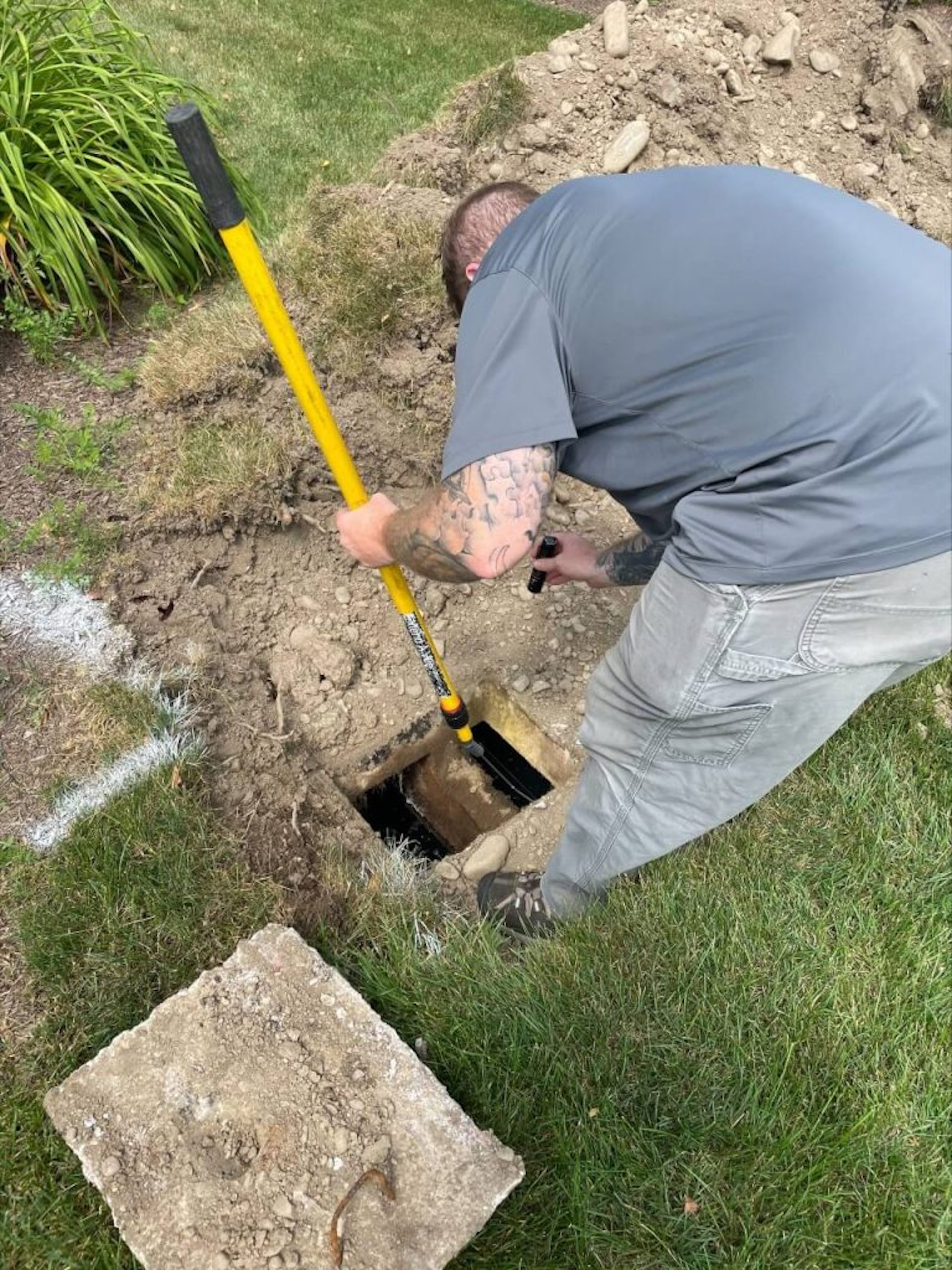
What Is a Septic Inspection? Here’s Why You Need One
A septic tank inspection is a professional evaluation of an underground wastewater treatment system to ensure its structural integrity, proper functional flow, and safety.
In Northeast Pennsylvania (NEPA), a standard septic inspection typically costs between $200 and $900, with an average of $550, depending on the size of the tank and whether locating or uncovering the access lids requires extra labor.
Around 26% of Pennsylvania homes have septic tank systems, with the majority of septic tanks found in rural areas and older homes, such as those in Berwick, Danville, and Mount Pocono.
On average, septic tanks last 20-40 years, depending on maintenance and other environmental factors.
Frequent septic tank inspections every 5 to 10 years can extend your septic tank’s lifespan and help protect you from potential leaks and backflows that could contaminate your well water.
If you’re purchasing a home in Northeast Pennsylvania, it’s essential to conduct a septic tank inspection to protect you from future repairs, as these are not included in standard home inspections.
This guide will discuss the importance of septic tank inspections and what to look for in a septic tank inspector.
How Do Septic Tanks Work?
Septic systems separate effluent (liquid waste) from wastewater and discharge solid matter into a drain field, where it is reabsorbed into the soil.
Each septic tank consists of a large concrete or polyethylene basin that holds wastewater and pumps that divert and discharge effluent to its intended location.
Septic tanks are common in areas without municipal sewage systems and are considered environmentally sustainable when properly maintained.
Unfortunately, these basins can crack or fracture over time due to environmental conditions and soil compaction. Pumps can also become clogged or dirty as they wear out from normal use.
Homeowners who don’t clean their pumps and filters or get routine inspections of their septic systems could leave them vulnerable to damage that could become costly or to backflows that cause sewage to seep out of the system.
What Is a Septic Tank Inspection?
A septic inspection evaluates the condition of your septic tank sewage system. An inspector will examine key elements of the tank, including the basin, drain field, and piping, to ensure they are free from blockages, leaks, or other potential problems.
There are typically two levels of septic inspections you should be aware of:
- Visual Inspections: These are often part of routine maintenance checks or a general home inspection. They involve a simple examination of the tank’s surface conditions to look for signs of leakage and ask questions about the system’s performance.
- Full Inspections: A comprehensive septic inspection is a separate inspection that involves opening the tank, checking sludge levels, examining the drain field, and possibly using cameras to inspect pipes and other internal mechanisms.
A full septic inspection is always recommended when purchasing a home with a septic tank system, as a visual inspection alone does not provide sufficient detail to evaluate the system’s condition.
Why Do You Need a Septic Inspection?
A septic inspection should never be avoided, as repairs can be costly, and the potential hazards could be life-threatening.
1. Prevention of Costly Repairs
According to Forbes, the average cost of a septic tank repair is around $1,775. However, more extensive repairs could end up costing thousands of dollars more.
A septic inspection allows you to avoid repairs by negotiating with the seller to pay for them or by subtracting them from the home’s total cost.
2. Visual Inspections Don’t Go Far Enough
Visual inspections and general home inspections cannot provide an accurate assessment of a septic tank’s condition, as most of its components are internal and buried underground.
A comprehensive septic system inspection goes deep beneath the soil to provide a full 360-degree view of your system by evaluating:
- Internal components: Inspecting mechanical parts like internal pumps, floats, and baffles.
- Structural integrity: Checking the tank walls for cracks, leaks, or signs of backflow.
- Absorption area: Assessing the health and drainage capacity of the drain field (leach field).
3. Health and Safety Concerns
A malfunctioning septic system can pose serious health risks, including backflow that mixes sewage with groundwater.
If your home relies on well water, this can severely impact the quality of your family’s drinking water and put your health at risk. A septic inspection can prevent such issues, ensuring that your system is treating wastewater safely and effectively.
4. Extending the Life of Your Septic System
Regular septic inspections help extend the life of your system by catching problems early.
Well-maintained septic systems can last for decades, but neglecting inspections can shorten their lifespan significantly and leave you on the hook for costly repairs.
By having your system inspected and pumped on a recommended schedule (usually every 5-10 years), you can ensure it continues to operate efficiently for years to come.
How Much Does a Septic Tank Inspection Cost in NEPA?
In Northeast Pennsylvania, a standard residential septic tank inspection typically costs between $200 and $900.
The final price depends largely on the tank size, whether the access lids are already open, and whether specialized digital camera equipment is required to evaluate the lines.
If the system needs to be pumped simultaneously, which is highly recommended for a complete internal inspection, homeowners should budget an additional $250 to $500.
Cost Breakdown of Septic Services in Northeast PA
The table below outlines the average estimated costs for septic inspections and related maintenance services across NEPA:
| Service Type | Estimated Cost Range (NEPA Average) | What It Includes / Factors |
| Visual / Transfer Inspection | $200 – $350 | Basic surface walkthrough, dye testing, and structural check of an already exposed tank. Often required for real estate transactions. |
| Full Diagnostic Inspection | $400 – $700 | Locating and excavating lids, running electronic line locators, checking baffles, and testing absorption field flow. |
| Advanced / Large System Inspection | $700 – $900 | Comprehensive evaluation of large-capacity, multi-compartment, or commercial-grade tanks, including complex engineered or alternative mound systems. |
| Septic Tank Pumping | $250 – $500 | Pumping out solids and liquid effluent. Price varies by tank capacity (e.g., 1,000 vs. 1,500 gallons). |
| Camera Line Inspection | $150 – $300 (Add-on) | Threading a specialized fiber-optic camera through the pipes to look for root intrusion, clogs, or collapsed lines. |
| Lid Excavation / Digging Fee | $50 – $150 | Charged if the inspector has to manually shovel or bring in equipment to uncover buried access ports. |
Key Factors That Affect Your Total Cost
- Accessibility: If your tank’s access lids are buried deep underground and aren’t marked, expect to pay extra for the labor required to locate and dig them up. Installing standard risers can eliminate this fee for future inspections.
- Real Estate Requirements: If you are buying or selling a home in NEPA, mortgage lenders or local municipalities may require a specific regulatory certification (such as a PSMA inspection), which can sometimes carry a premium over a routine maintenance check.
- System Type and Size: Standard gravity-fed systems are the least expensive to inspect. If your property uses an advanced engineered system, an aerobic treatment unit (ATU), or a large multi-compartment tank, the extra complexity will push your total invoice toward the higher end of the $900 spectrum.
How Often Should You Get a Septic Tank Inspection?
For the average residential property, you should get a septic tank inspection every 3 to 5 years.
This timeline ensures that critical components are evaluated frequently enough to catch minor structural wear, hairline cracks, or minor baffle deterioration before they evolve into catastrophic, costly system failures.
More frequent inspections should be scheduled for septic systems that contain the following:
- Advanced Mechanical Components: If your property uses an engineered system, an aerobic treatment unit (ATU), or electrical effluent pumps, these moving parts experience faster wear and tear than standard gravity-fed systems.
- High Occupancy or Heavy Water Use: Large families, properties with frequent guests, or homes using multiple water-intensive appliances generate a higher volume of wastewater through the system daily, requiring closer monitoring.
- Older Systems: If your septic system is approaching the 20- to 30-year mark, periodic checks become vital for monitoring the natural degradation of concrete or plastic components.
Outside of your standard maintenance schedule, real estate transactions should always include a septic inspection to protect buyers from unknown costs.
In some cases, local lenders may require a specialized PSMA-certified inspection within a specific window (usually 30 to 90 days) prior to closing the sale.
How to Choose a Septic Tank Inspector
Choosing the right septic inspector is essential for maintaining your septic system and avoiding costly repairs.
Here are some tips for searching for a septic inspector in Northeast PA.
- PSMA Certification: The Pennsylvania Septage Management Association (PSMA) is a professional certification for septic system inspectors, ensuring they are trained in best practices for evaluating septic systems. PSMA-certified inspectors must complete rigorous training and pass exams that test their knowledge of how septic systems operate and how to identify potential problems. Certified inspectors adhere to the highest industry standards, which can give you confidence in the quality and accuracy of their inspections.
- Industry Experience: Septic systems are complex, buried environments. An experienced inspector possesses the hands-on knowledge required to detect subtle warning signs, such as minor baffle deterioration or early-stage drain field saturation, that an inexperienced general home inspector would likely miss.
- Actionable Reporting: Avoid inspectors who only provide a simple pass/fail checklist. Look for a professional who provides a detailed, comprehensive overview of your system’s current health, along with clear, actionable maintenance advice to help you maximize your tank’s lifespan.
Septic Tank Maintenance Tips
Routine inspections are your first line of defense, but daily habits dictate the true lifespan of your system. Incorporating these essential maintenance practices will prevent premature failures and save thousands of dollars in emergency repairs:
1. Commit to Regular Pumping
While an inspection tells you the health of your system, septic tank pumping physically removes the accumulated sludge and scum layers before they can overflow into your drain field. Most residential systems in NEPA require pumping every 3 to 5 years, depending on household size and water usage habits.
2. Protect Your Drain Field
The absorption area (or leach field) relies on porous soil to naturally filter wastewater. To prevent soil compaction and pipe damage, adhere to the following rules:
- Never park vehicles or drive heavy equipment over the drain field.
- Avoid planting trees or large shrubs nearby, as aggressive root systems can invade, clog, and crack underground pipes.
- Direct runoff away from the area by ensuring gutters, downspouts, and sump pumps do not discharge excess water onto the absorption field.
3. Guard Your Drains Against Household Toxins
Your septic tank is a living ecosystem fueled by beneficial bacteria that break down organic waste. Introducing harsh chemicals can wipe out these bacteria, causing solid waste to build up rapidly.
- Never flush: Baby wipes, feminine hygiene products, paper towels, dental floss, cigarette butts, or cat litter. Even items labeled “flushable” do not break down quickly enough for a septic system.
- Limit chemical usage: Minimize the use of heavy-duty drain cleaners, bleach, antibacterial soaps, latex paint, and motor oils.
- Use your garbage disposal sparingly: Disposals send finely chopped food scraps into the tank, drastically increasing the sludge accumulation rate and forcing you to pump the system much more frequently.
4. Practice Smart Water Efficiency
An overloaded system cannot process waste effectively. When a household runs multiple water-heavy appliances simultaneously, it can flood the tank, pushing undecomposed solids straight out into the drain field.
- Space out laundry loads throughout the week instead of doing them all on a single day.
- Fix leaking faucets and running toilets immediately to avoid constantly adding unnecessary gallons to the system.
5. Create a Regular Inspection Schedule
Establishing a recurring timeline with a certified professional ensures your system’s structural elements, baffling, and soil conditions are evaluated under normal operating conditions. Catching a minor hairline crack or a slow-draining field early prevents a minor fix from turning into an emergency system replacement.
Mountain to Valley Home Inspections is a PSMA-certified inspector with decades of experience servicing septic systems and all home inspection needs. Contact us today for your free quote on a septic tank inspection in NEPA.
FAQs
How often should I have a septic inspection?
You should have your septic system inspected every 3 to 5 years. It is best practice to schedule your inspection alongside your routine tank pumping. Larger households, properties utilizing advanced electrical pumps, or systems over 20 years old may require more frequent, biennial (every 2 years) checkups to catch failures early.
What does a full septic inspection involve?
A comprehensive septic inspection involves locating and uncovering the tank’s access lids, measuring the internal scum and sludge layers, and physically examining structural components like the baffles and filters. The inspector will also run flow tests and evaluate the absorption area (drain field) for signs of soil saturation, pooling water, or system backflow.
What is a PSMA certification?
A PSMA certification means an inspector has been formally trained, tested, and credentialed by the Pennsylvania Septage Management Association. This certification ensures the technician adheres to strict, uniform state standards for evaluating on-lot wastewater systems, providing a level of thoroughness that standard home inspectors cannot replicate.
Do I need to pump my septic tank before an inspection?
No, you should not pump your tank immediately before an inspection. The inspector needs to see the wastewater at its normal operating level to check for proper flow, blockages, and backflow from the drain field. However, it is highly recommended to have the tank pumped during or immediately after the inspection so the technician can clearly examine the empty tank’s floor and walls for structural cracks.
Can a home inspector check a septic system?
A standard home inspector can only perform a basic visual walkthrough or a dye test, which does not provide an accurate assessment of a buried system. Because the critical components are underground, you need a specialized inspector—ideally one with a PSMA certification—who has the tools and expertise to locate, dig up, and run full diagnostics on the tank and drain field.
What are the warning signs that my septic system is failing?
Common warning signs of a failing septic system include slow-draining toilets or sinks, gurgling noises in your plumbing, sewage odors in your yard, and patchiness or unusually lush, vibrant green grass over the drain field. Severe indicators include standing water or soggy soil near the tank area and actual sewage backing up into your home’s lowest drains.
Are septic tank inspections required to sell a home in Pennsylvania?
While Pennsylvania state law does not universally mandate a septic inspection for every property transfer, most municipal ordinances, mortgage lenders, and buyers require one before closing a sale in NEPA. Real estate contracts typically specify a PSMA-certified inspection to ensure the system is functioning correctly and to protect all parties from immediate, costly repair liabilities.