
In Northeastern Pennsylvania (NEPA), the buyer almost always pays for the home inspection. Since the inspection is designed to protect the buyer’s investment and reveal any hidden structural, mechanical, or safety issues before closing, it is considered a standard buyer’s expense.
While a buyer typically covers the upfront cost, there are a few common real estate exceptions in the NEPA market:
- Seller Concessions: In a buyer’s market, a buyer may negotiate to have the seller credit the inspection costs back to them as part of the final closing concessions.
- Pre-Listing Inspections: Some sellers choose to pay for their own inspection before putting their home on the market to catch problems early and streamline the selling process.
- Specialty Testing: While buyers pay for standard home inspections, additional tests, such as advanced radon testing, septic evaluations, or specific pest inspections, can occasionally become negotiation points depending on the property’s location and loan requirements.
Understanding who covers these upfront fees is just the first step in navigating the local real estate market.
In this article, we will break down exactly how much you can expect to pay for a home inspection in NEPA, who is responsible for the repairs found during the process, and how you can use your inspection report as a powerful tool at the negotiating table.
Does the Buyer or Seller Pay for the Home Inspection?
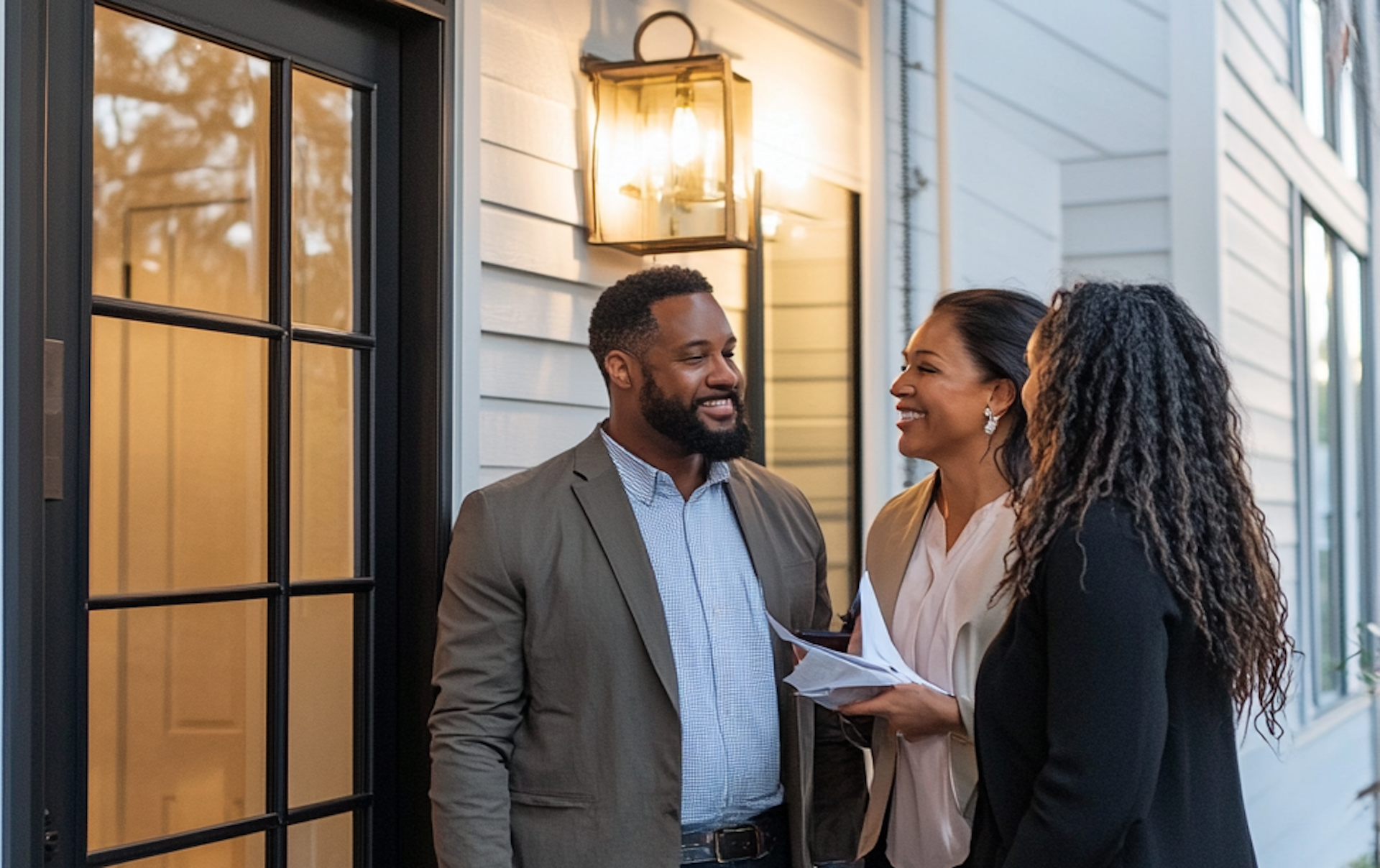
In most real estate transactions, the buyer pays for the home inspection because the inspection is performed to protect the buyer’s interests before closing.
According to Ruby Home, 88% of buyers nationwide conduct a home inspection, and 86% of those inspections reveal problems requiring repairs.
The buyer chooses the inspection company, schedules the inspection, and uses the findings to evaluate the property’s condition before moving forward with the purchase.
In some situations, sellers may choose to pay for a pre-listing inspection before putting the property on the market. This allows the seller to identify problems early, make repairs in advance, and reduce the risk of delays during escrow.
Pre-listing inspections are common in competitive markets where sellers want to streamline the transaction process.
Who pays for the inspection ultimately depends on the terms negotiated in the purchase agreement, but the buyer is responsible for the majority of residential home sales.
How Much Does a Home Inspection Cost?
The average home inspection costs $342 nationwide and between $200 and $500 in Pennsylvania. However, total upfront costs will vary depending on the property’s specific characteristics, including.
- Property Size: Larger properties with more square footage take longer to thoroughly evaluate, increasing the inspector’s fee.
- Age of the Home: Older houses often feature complex, outdated, or historical structural and mechanical systems that require a more intensive review.
- Geographic Location: Local market rates and the distance an inspector has to travel to the property can impact pricing.
- Condition and Complexity: Properties with visible degradation, complex layouts, or detached structures may require additional time on-site.
Unlike a real estate deposit, home inspection fees are non-refundable.
You are paying for the inspector’s time and professional evaluation, meaning the fee cannot be recovered if you are unsatisfied with the findings or choose to walk away from the property.
Who’s Responsible for Home Inspection Repairs?
In most cases, the seller will be responsible for performing any repairs on a home to complete the transaction.
In Pennsylvania, home inspectors are forbidden from providing specific quotes on home repairs, and these prices are to be negotiated by the seller and the third-party providing them.
When Does the Home Inspection Take Place?
A home inspection typically takes place within 5 to 10 days after a purchase agreement is signed and the home goes under contract.
Real estate contracts include a strict inspection contingency period, meaning the buyer must quickly schedule and complete the evaluation to ensure they can negotiate repairs or back out of the deal if major defects are found.
While the standard timeline hinges on the binding contract, the exact timing depends on who initiates the inspection:
Buyer’s Inspections
In a traditional real estate transaction, the buyer requests a home inspection shortly after the seller accepts the buyer’s offer.
The home inspection enables the buyer to uncover any issues that may affect the home’s final price and use this information to negotiate a better rate.
Most importantly, the home inspection ensures the buyer that any investment they make will not be burdened by unexpected repairs that could harm them financially after the sale of the home.
Benefits of Buyer’s Inspections
- Protects buyers from repairs that can be made before the completion of the sale.
- Gives buyers peace of mind that they will not be saddled with repairs they cannot afford.
- Allows buyers to negotiate a lower price if there are issues uncovered.
- Provides buyers with an unbiased view of the home, even if the seller has performed their own inspection.
Pre-Listing Inspections
In recent years, many sellers have opted to perform pre-listing inspections in order to market their homes to buyers and avoid any costly repairs that could derail the closing process.
This is typically performed before listing the home to avoid costly delays that may inhibit the seller’s ability to move forward with their own separate home purchase.
Benefits of Pre-Listing Inspections
- Expedite the sale of home to buyers who may choose to forgo an inspection if one has already been provided.
- Make the home more attractive to buyers, which could end up raising the final sales price.
- Avoid costly delays that may threaten the sale of the home and also inhibit the seller’s ability to move forward with any separate transactions that depend on this one.
Do Sellers Typically Get a Copy of the Inspection?
In most cases, the seller will not be provided with a copy of the inspection report if the buyer pays for it.
The seller will be notified of any repairs or issues that the buyer finds unsatisfactory. This is why we urge sellers to perform a pre-listing inspection so they can get their own copy to compare against anything that may come up on the buyer’s inspection and use during negotiation.
If the seller and buyer share the inspection cost as part of closing, the seller will be provided with a copy.
How to Use a Home Inspection Report to Your Advantage
Buyers can leverage the findings of a home inspection as a strategic negotiating tool to request price reductions, seller repair credits, or direct fixes before closing.
Rather than viewing the report as a simple pass-or-fail document, buyers and sellers should use findings to finalize fair property values and protect their financial investments.
Here is how both parties can strategically utilize the inspection report:
- Secure Cold, Hard Cash (Price Reductions): If major defects such as a failing roof or outdated wiring are uncovered, buyers can negotiate a lower purchase price, keeping more cash in their pockets to handle post-closing renovations.
- Request Repair Credits (Concessions): Instead of making the seller fix the issues, buyers can ask for closing cost credits. This allows the buyer to control the quality of the work by hiring their own contractors later.
- Demand Direct Fixes: For critical safety hazards, such as structural issues or severe plumbing leaks, buyers can submit a formal repair amendment requiring the seller to complete and pay for the repairs using licensed professionals before the final walkthrough.
- Walk Away Safely: If the inspection reveals catastrophic or budget-breaking issues, a properly written inspection contingency allows the buyer to cancel the contract entirely and recoup their earnest money deposit without penalty.
In negotiation, knowledge is power; therefore, we recommend that both buyers and sellers conduct their own home inspections. While it may seem redundant, it empowers both parties during negotiations, and a pre-listing inspection can expedite the sale of the home by allowing the seller to address any repairs before the closing process.
Most importantly, it will provide both parties with greater peace of mind.
If you need a thorough and honest home inspection in NEPA, trust only the best. Trust an InterNACHI-certified home inspection from Mountain to Valley Home Inspections. Contact us today for your free quote!
FAQs
Is a home inspection required by law in Pennsylvania?
No, home inspections are not legally mandated by the state of Pennsylvania. However, they are highly recommended and are standard additions to real estate purchase agreements as an optional contingency clause to protect the buyer’s financial interests.
Can a buyer cancel a home purchase after an inspection in PA?
Yes. If your real estate contract includes an explicit inspection contingency, you can legally back out of the deal without losing your earnest money deposit. This clause allows buyers to walk away safely if the inspector uncovers severe or budget-breaking defects that the seller refuses to fix.
Are mold and radon testing included in a standard home inspection?
No, traditional home inspections in NEPA do not include comprehensive evaluations for mold or radon gas. While a general inspector will note visible water damage or obvious fungal growth, advanced testing, such as air sampling, surface swabbing, and continuous radon monitoring, must be ordered separately as specialized add-on services.
How long does a typical property evaluation take?
For an average-sized single-family home, a thorough inspection takes a few hours to complete on-site. The exact timeframe depends heavily on the overall square footage, the age of the property, the complexity of its mechanical systems, and how easily the inspector can access areas like the attic or crawl space.
Should the buyer attend the home inspection?
Yes, it is highly recommended that buyers attend the inspection, typically toward the end of the walkthrough. Being present allows you to see the noted defects in real time, understand the true severity of the issues, and ask the inspector direct maintenance questions that a written report cannot fully convey.
Do sellers have to repair every issue found in the report?
No, sellers are under no legal obligation to fix every defect uncovered during the inspection. The inspection report simply serves as a fresh negotiation tool; while sellers often agree to repair major safety hazards or structural code violations to keep the deal alive, smaller cosmetic issues are usually left to the buyer.
What happens if an inspector cannot access certain parts of the home?
If an area is blocked by heavy storage, furniture, locked doors, or loose pets, the inspector will mark that specific section as uninspected in the final report. To resolve this, the buyer must typically request a re-inspection after the seller clears the obstruction, which can add extra time to the closing timeline and incur an additional fee.