
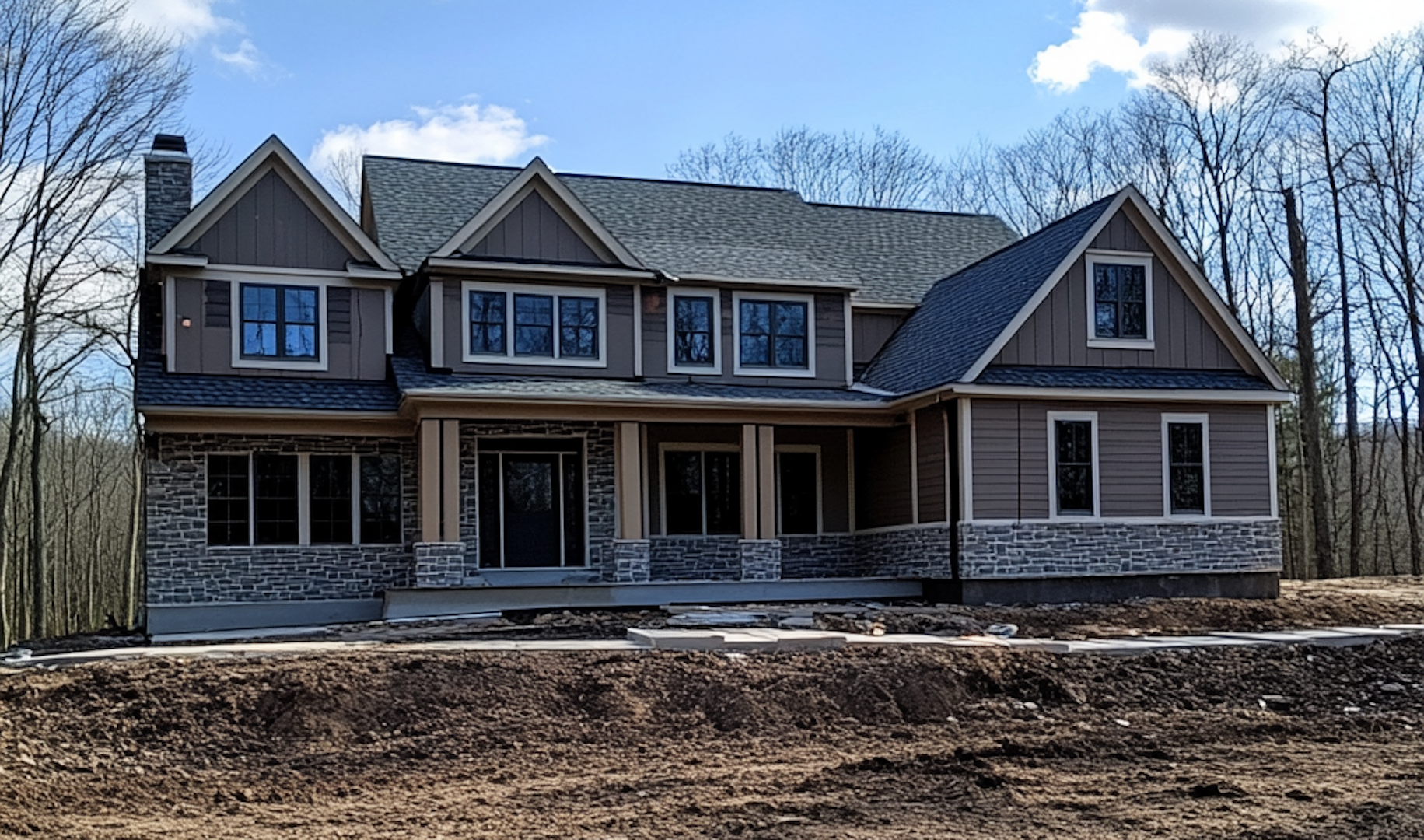
Should I Get a Home Inspection on a New Build in NEPA?
Buyers in Northeast Pennsylvania should get a home inspection for a new build to ensure their home is free of defects and to catch any issues before their builder’s warranty expires.
While new construction homes use modern construction standards, the finished product is rarely perfect. According to data from the National Association of Realtors, 65% of buyers who inspected their new builds found issues, and 24% did not pass the first inspection.
Take the recent example of a Sheetz in Clarks Summit, which was fully constructed but will never open due to a retaining wall issue caused by the developer.
While municipal code inspectors ensure a property meets minimum safety standards, they often spend as little as 15–20 minutes on-site, frequently missing the craftsmanship flaws and system imbalances that lead to expensive long-term repairs.
This guide explores why a third-party evaluation is your best defense against builder oversight. We cover the most common new-home pitfalls, the specific checklist our inspectors use to protect your investment, and how to navigate repairs before your warranty expires.
Do I Need an Inspection on a New Construction Home?
Yes, a new construction home inspection is recommended anytime you’re looking to buy a new build. In fact, as we’ll explain below, we recommend getting multiple inspections during the home’s first year to proactively address issues that may arise over the home’s life.
It’s a common misconception that new homes don’t need to be inspected because they are built to higher standards and follow local municipal code. However, code enforcement officers only inspect for very specific building requirements and don’t offer much judgment regarding craftsmanship.
Poor craftsmanship or quality materials can lead to significant issues in just about every part of the home if proper QA or an inspection doesn’t catch these.
A third-party home inspection works in your favor, giving you an unbiased, detailed report of what’s right and wrong with a new build before you finalize the sale or run out of warranty coverage.
Are Municipal Code Inspections a Substitute for a Home Inspection?
Municipal code inspections are not a substitute for a professional home inspection and only cover the minimum construction requirements related to safety code.
For example, code inspections will ensure that gas lines are pressure-treated or that certain building standards are met for ADA compliance in commercial buildings, but will not inspect the condition of the roof or foundation for structural flaws.
While both evaluations are essential during the home-buying process, they operate under different standards and have distinct objectives.
| Feature | Municipal Code Inspection | Private Home Inspection |
| Primary Focus | Minimum safety and building code compliance. | Comprehensive quality and condition assessment. |
| Scope | Basic structural, electrical, and fire safety. | In-depth evaluation of all systems (HVAC, roof, drainage). |
| Duration | Often 15–30 minutes per site. | Typically 2–4 hours for a thorough review. |
| Goal | Ensuring the home is “legal” to inhabit. | Protecting the buyer’s long-term investment. |
When to Get a New Construction Home Inspected
Ideally, a new-construction home should be inspected three times during construction and after construction: pre-drywall, final walkthrough, and post-purchase.
1. Pre-Drywall Inspection
This inspection should occur before any insulation and drywall are installed. This allows the inspector to see behind the walls and check the framing, plumbing, wiring, and HVAC layout. If there’s a problem, it will be much easier to correct now than after finishes are applied.
2. Final Walkthrough Inspection (Before Closing)
A full property inspection should be done just before you move in to check all visible systems and finishes, ensuring they were completed correctly and meet safety and performance standards.
These inspections give you a window of opportunity to request repairs or hold back final payment until issues are corrected, so don’t skip them.
3. Post-Purchase: A 1-Year Inspection
Many issues with new-construction homes may not manifest until after the homeowner has occupied the house for a few months. Since most new construction homes come with a builder’s warranty covering workmanship and materials for one year, it’s essential to have an inspection before your warranty expires to address any issues and save money.
If you want to build a new home or purchase a new construction home, don’t wait for a proper home inspection. Mountain to Valley’s home inspections can help you proactively address repairs before purchasing a new build or your warranty expires, so you save money and have peace of mind.
Common Issues Found in New Construction Homes
The most common issues found in new-construction homes in NEPA are related to craftsmanship, such as cosmetic flaws, as well as structural issues stemming from foundation settlement and soil compaction.
Based on our data from the field of inspecting both newer and older homes in NEPA, we’ve learned what issues commonly plague new homes and where exactly to look to find these issues that other inspectors might miss. That said, here are five common issues we find in new-construction homes in the area.
1. Improper Foundation Settlement
It can be difficult to tell how a new foundation will settle with time and affect the home’s overall structure. However, many key signs, such as stair-step cracks and cracked drywall, may indicate settlement issues.
Foundations are among the most expensive repairs to make, so identifying these issues early, before you are liable for their repairs, is critical.
2. Plumbing Leaks or Poor Drainage
While builders are responsible for the house’s main structure, much of the “guts” of the home will be outsourced to contractors. Unfortunately, one of the most common flaws we find with substandard contractor work is plumbing errors, such as leaks, improperly caulked fixtures, and cheap materials.
3. HVAC Imbalances
HVAC systems are among the most costly to repair and maintain, so it’s important that any new systems are installed properly and error-free. Some common issues our inspectors find with HVAC work include improper ductwork, which can lead to leaks and imbalances that damage the system over time and reduce your energy efficiency.
4. Poorly Installed Roofs
Even new roofs can suffer from common issues associated with old roofs, including popped nails, missing flashing, or inadequate attic ventilation. While you may not notice leaks or damage right away, this will quickly accelerate your roof’s deterioration. This is also one of the most difficult flaws to identify without a proper home inspection, which is why a roof inspection on new builds is so critical.
5. Craftsmanship Issues
While minor cosmetic flaws are expected, larger craftsmanship issues can signal a rushed build or poor supervision. We frequently find improperly installed flooring, uneven drywall finishes, and poorly fitted trim or cabinetry.
These gaps and misalignments can lead to drafty rooms, premature wear and tear, and a lower resale value down the line. A professional inspection ensures these finishing touches actually meet the high standards you paid for.
New Construction Home Checklist: What Inspectors Look For
A new construction home inspection covers many of the same essentials as an inspection on an older property, but with extra focus on build quality and craftsmanship. Even brand-new homes can have issues that stem from rushed work, subcontractor errors, or overlooked details
Here are the key areas a home inspector will evaluate, along with the types of questions they’ll be asking during a new construction inspection:
- Foundation and Grading: Are there any signs of poor settling, like cracked walls or ceilings? Does the ground slope away from the home? Are downspouts and drainage systems directing water properly?
- Roof and Attic: Are the shingles installed correctly? Are nail pops visible? Is flashing properly sealed? Is the attic well-ventilated to prevent moisture buildup or energy loss?
- Insulation: Is insulation installed evenly and according to local energy code standards? Are there gaps, compression, or missing areas that could affect performance?
- HVAC System: Is the HVAC system properly sized for the home? Are ducts sealed and delivering balanced airflow to every room?
- Electrical System: Are GFCI and AFCI outlets installed where required? Are outlets and switches correctly wired? Is the breaker panel clearly labeled and safe?
- Plumbing System: Are there any signs of leaks at fixtures or under sinks? Is the water pressure consistent? Are drains and venting systems functioning properly?
- Windows and Doors: Are all windows and doors square and opening smoothly? Is weather stripping in place to prevent drafts? Are locks and latches secure?
- Floors and Walls: Are floors level and free of creaks or movement? Are there any visible blemishes, nail pops, or cracks in the drywall?
- Appliances and Fixtures: Are all installed appliances functioning correctly? Have they been installed according to the manufacturer’s specifications?
- Code Compliance: Are all permits on file and up to date? Does the home meet current building codes and include a valid certificate of occupancy?
Even if everything looks brand new, hidden issues can lurk behind finished walls or under flooring, making them difficult and expensive to repair later. Getting a new home inspection helps rectify these issues before your warranty expires and ensures your home is built to modern standards.
FAQs
Do I really need an inspection for a brand-new home?
Yes. While new homes must pass municipal code inspections, those are limited in scope. A third-party inspection offers a more thorough evaluation of craftsmanship, installation quality, and potential defects before you close.
What’s the best time to schedule an inspection on a new construction home?
There are typically three key times: pre-drywall (before insulation and drywall go in), right before closing (final walkthrough inspection), and around the 11-month mark (before your builder’s warranty expires).
Will a home inspection affect my builder’s warranty?
Not at all. In fact, it reinforces it. A professional inspection report provides documented evidence of issues the builder is responsible for fixing under their warranty, helping ensure you don’t end up paying for their oversight later.
Does the builder have to fix everything the inspector finds?
While builders are generally required to fix code violations and structural defects, cosmetic issues or minor suggestions from an inspector may be subject to negotiation. It’s best to present the full report to your builder to discuss which repairs are covered under your specific contract.
Is a municipal code inspection the same as a private home inspection?
No. Municipal inspectors check for compliance with minimum safety and building codes. A private inspector looks more deeply into the quality of the work, the installation of systems (such as HVAC and plumbing), and potential long-term maintenance issues that code inspectors might overlook.
Can I be present during the new construction inspection?
Absolutely. We highly recommend being there. It’s a great opportunity to learn about your new home’s systems, shut-off valves, and maintenance requirements directly from a professional while the house is still in its clean state.
How much does a new construction inspection typically cost?
The cost varies based on the size of the home and the type of inspection (e.g., pre-drywall vs. final walkthrough). However, the price is usually a small fraction of the cost of potential repairs that might go unnoticed without a professional eye.


Do Home Inspections Check for Mold in NEPA?
Standard home inspections in Northeastern Pennsylvania do not include a comprehensive mold inspection. While a general inspector will note visible microbial growth or obvious water damage, they cannot look behind your drywall or HVAC units without special tools, where mold mostly lives.
Mold is a pervasive concern in NEPA due to the region’s higher-than-average rainfall and poor home ventilation, which result from outdated building practices.
According to public data, 40.5% of homes in Luzerne County and 45.1% in Lackawanna County were built before 1950, well before modern ventilation and insulation standards were established. As a result, basement moisture from plumbing leaks, tropical storms, and high summer humidity creates the perfect breeding ground for black mold that harms respiratory health and damages drywall.
Homeowners can live for years without discovering mold, which is why a specialized inspection is required to detect mold, especially when buying or selling a home.
This article examines the important differences between standard and mold-specific inspections and explains why mold inspections are necessary and popular add-ons when transacting a home in NEPA.
Do Home Inspectors Check for Mold?
Standard home inspections in Pennsylvania generally do not include a comprehensive mold inspection or air quality testing. While a general inspector will visually examine a home’s physical structure and mechanical systems—from the roof to the foundation—they primarily look for visible issues.
If an inspector encounters obvious microbial growth or water stains during their walkthrough, they will document it as a defect in their report, but they typically do not perform the specialized testing required to identify hidden mold.
A standard home inspection is limited in the following ways regarding mold:
- Visual Only: Inspectors only report on what is readily accessible and visible; they do not move furniture, pull up carpets, or open up walls where mold often hides.
- No Sampling: General home inspectors are typically not equipped to perform air sampling or surface swabbing to determine the type or concentration of mold spores present in the home.
- No “Pass/Fail”: In Pennsylvania, inspectors do not pass or fail a home based on mold; they simply document their findings so you can make an informed decision.
Because a general inspection may miss moisture trapped behind freshly painted walls or hidden in crawl spaces, many buyers in NEPA choose to add a specialized mold and air-quality test to their inspection package. These additional services use professional tools such as moisture meters and air pumps to uncover hidden growth that a standard inspection might miss.
Is a Mold Inspection Worth It in NEPA?
A mold inspection is worth the investment because it identifies hidden moisture problems and structural risks that a standard home inspection often misses. While it requires an upfront cost, it serves as a critical safeguard against expensive remediation projects and chronic health issues.
By detecting mold before you finalize a property purchase, you gain the leverage to negotiate repairs or walk away from a contaminated environment.
- Identify Hidden Issues: Mold often grows in concealed areas such as behind walls, under flooring, or within HVAC systems, which aren’t typically assessed during standard home inspections. Detecting these hidden problems early can save you from future surprises.
- Protect Your Health: Mold exposure poses risks to your health, especially if you or your family members have allergies, asthma, or other respiratory issues. A mold inspection ensures a safer environment in your new home.
- Prevent Costly Repairs: Mold remediation and repairing underlying issues like leaks can be expensive. Identifying problems during the inspection phase allows for price negotiations or requires the seller to make repairs.
- Assess Moisture Problems: Mold is a symptom of moisture issues such as leaks, poor drainage, or inadequate ventilation. Understanding the source of moisture can help prevent long-term damage and recurring mold growth.
- Ensure a Safe Investment: A mold inspection provides peace of mind, ensuring that your financial investment is sound and you won’t face unexpected remediation costs post-purchase.
Ultimately, the cost of a mold inspection is a fraction of the price of professional remediation, which can easily reach thousands of dollars.
In many real estate transactions, the findings from a mold report can even be used to request seller concessions, effectively paying for the inspection itself. Prioritizing this specialized test ensures that you aren’t just buying a house, but a healthy, moisture-free environment for your family.
What Are the Health Effects of Mold Exposure?
Mold is a fungus that can enter our lungs when we breathe in or irritate our skin when we come in contact with it. While some strains of mold are more dangerous than others, the CDC lists the general symptoms of mold exposure as:
- A stuffy or runny nose
- Soar throat
- Wheezing or coughing
- Asthma-like symptoms
The effects are worse for people who are immunocompromised.
While it is possible to live with mold, it can greatly affect your quality of life and indicate deeper issues in your home.
Where Does Mold Typically Grow in a Home?
What makes mold so difficult to detect during a standard visual inspection is its tendency to thrive in the hidden cavities of a home—specifically behind walls, under floorboards, and inside structural voids.
While high-moisture zones like bathrooms, basements, and kitchens are the most common culprits, mold can colonize nearly any surface where moisture, organic food sources (like drywall or wood), and poor airflow intersect.
In a typical home, you are most likely to find mold in these specific locations:
- Behind walls that have had water damage
- In damp basements with poor ventilation (typically on ceilings and walls)
- Underneath sinks with water leaks
- Underneath floor boards where water has seeped through
- In HVAC systems that have not been properly cleaned
- Inside chimneys
- Between windowsills and screens
- Behind outdoor shutters exposed to the elements
- Around siding and decks that have not been properly sealed or stained
Why Mold Points to Deeper Issues in Your Home
While mold in and of itself is certainly hazardous, it can point to one of two issues in your home:
- Previous or existing water damage
- Poor ventilation
The former could mean deeper structural issues if the water damage was not properly repaired before putting the home on the market. Water-damaged homes sell for significantly less and may have other issues, such as pests or lingering musty odors.
Mold requires moisture to reproduce, which is why mold is found on wet surfaces of your home.
Poor ventilation will also need to be fixed and will be marked in a home inspection report.
How Does a Mold Inspection Differ from a Regular Inspection?
A standard home inspection is a high-level overview of a property’s condition, but it is not a forensic investigation into air quality. While a general inspector focuses on the operational health of the roof, electrical, and plumbing systems, a mold inspection is a specialized service focused entirely on identifying fungal growth and the hidden moisture sources that fuel it.
The primary differences lie in the tools, training, and testing used during the process:
- Advanced Diagnostics: Unlike a regular inspection, which is primarily visual, mold inspectors use specialized technology. This includes infrared thermal imaging to detect temperature anomalies behind walls (indicating moisture) and hygrometers to measure precise humidity levels in the air.
- Specialized Training: A certified mold inspector is specifically trained by credentialed agencies to recognize subtle indicators of growth that a generalist might overlook, such as “ghosting” on walls or specific patterns of water staining.
- Laboratory Analysis: The most significant difference is the use of sampling. A mold inspector will collect air spore samples and surface swabs, which are then sent to a third-party laboratory. This determines the exact species of mold present—distinguishing common mildew from hazardous varieties such as Stachybotrys chartarum (black mold).
During a mold-specific walkthrough, the inspector focuses on high-risk red flags that fall outside the scope of a standard report:
- Historical Water Damage: Tracking the long-term impact of past floods or leaks that may have been “covered up” by new drywall.
- Ventilation Deficiencies: Identifying specific airflow failures in “dead zones” like attics or behind heavy basement insulation.
- Waterproofing Failures: Evaluating the effectiveness of sump pumps and French drains in managing NEPA’s high groundwater levels.
By the end of the process, you receive a breakdown of your home’s air quality and a professional roadmap for the best course of action regarding remediation.
When Is a Mold Inspection Recommended?
While we recommend conducting a mold inspection anytime before purchasing a home, there are several situations in which it is more critical than in others.
In Northeastern Pennsylvania, where environmental factors and the age of the housing stock play a major role in property health, a specialized inspection is often the only way to ensure a safe living environment.
A mold inspection is highly recommended if:
- You are buying or selling a home.
- The home lies in a flood zone.
- The home is older and has poor ventilation.
- The home shows previous signs of water damage.
- The home is well taken care of and has other issues.
How Much Does a Mold Inspection Cost?
According to Angi’s List, the national average for mold inspection costs ranges between $302 to $1,046. However, prices in Northeast Pennsylvania tend to fall on the lower end of the range, and you can shop around among several inspectors for a more competitive quote.
In our opinion, the cost of a mold inspection is well worth it compared with the cost of mold remediation, and it allows us to potentially bundle these costs into closing or have the seller cover them.
FAQs
Do I need a mold inspection if the house looks clean?
Yes. Mold is often invisible to the naked eye, thriving in hidden cavities such as wall interiors, underfloor insulation, and HVAC ductwork. Even a spotless home can harbor elevated spore counts if there are underlying moisture issues or a history of leaks that weren’t professionally remediated.
Are mold inspections included in regular home inspections?
No. While a standard home inspector will note visible microbial growth, they do not perform the specialized air quality sampling or surface testing required for a definitive diagnosis. A dedicated mold inspection is a separate service provided by a certified specialist with the tools to identify hidden environmental hazards.
What happens if mold is found during the inspection?
Finding mold doesn’t have to be a deal-breaker. You can use the inspection report to negotiate with the seller to have the issue professionally remediated, request a credit to reduce the purchase price, or—if the damage is extensive—decide not to proceed with the purchase.
How long does a mold inspection take?
A typical mold inspection for an average-sized home takes between one and three hours. The duration depends on the size of the property and the number of air or surface samples the inspector needs to collect. Lab results for these samples usually take an additional 2–3 business days.
Can I just use a DIY mold test kit from a hardware store?
DIY kits are generally discouraged by professionals. These kits often produce “false positives” because mold spores exist naturally in almost every environment. Without a professional to interpret the data and compare indoor spore levels to outdoor baselines, a DIY kit won’t tell you if you have a dangerous infestation or just normal household dust.
Will a mold inspection tell me the specific type of mold?
Yes. Through laboratory analysis of air and tape-lift samples, a mold inspection identifies the specific genera of mold present. This is crucial for determining if the growth is a common “nuisance” mold or a more hazardous variety, such as Stachybotrys (black mold), which requires more intensive remediation.