
According to Bankrate, the hidden cost of owning a home in the United States totals around $21,000 annually. These costs rise because of monthly utilities, ongoing wear-and-tear, and major renovation projects.
That’s why conducting a professional home inspection before you buy is one of the most effective ways to prevent unexpected expenses.
Depending on where you purchase a home in Northeast Pennsylvania, you can run into common issues, such as aging foundations, roofing problems, HVAC issues, and more, that can total in the tens of thousands to repair.
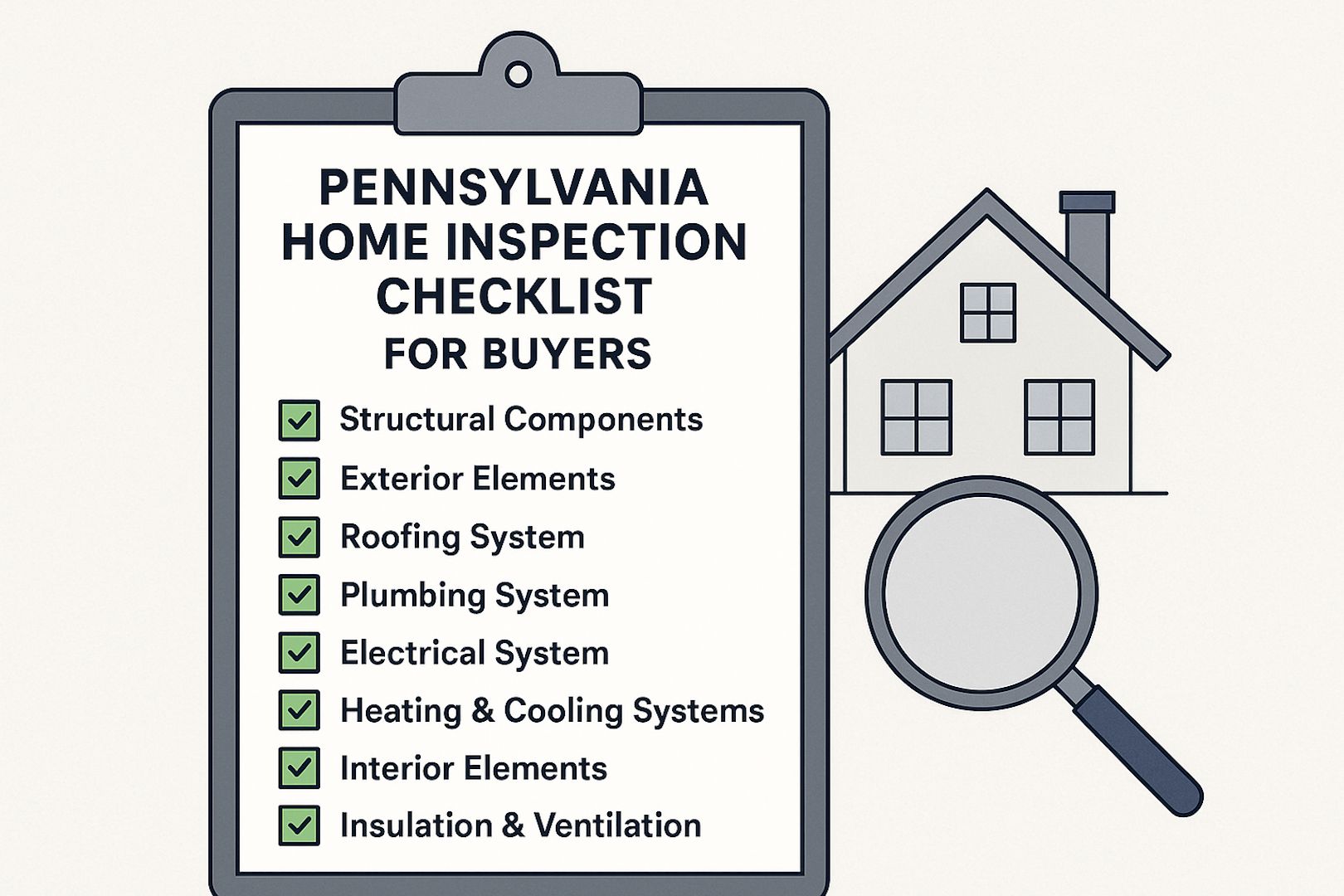
This Pennsylvania home inspection checklist shows you what inspectors typically evaluate and why each item matters for long-term safety and cost control.
Why Home Inspections Are Essential for Buyers in Pennsylvania
The real estate market has never been so difficult for young buyers, as an astounding 85% in a recent survey felt they needed to forgo insurance and a home inspection just to afford a new home.
However, when looking at the total closing costs required to purchase a home and the hidden costs of maintaining it, a home inspection is an incredibly small fraction and can deliver a hell of an ROI.
Buyers in Northeast Pennsylvania must keep in mind that the region’s housing stock is incredibly diverse, with many homes well over 100 years old, built well before modern building codes. Add in PA’s wet, four-season climate, which means that soil erosion, foundation damage, and roofing issues are incredibly common.
Disclosing these issues in the beginning stages of negotiations can empower buyers to negotiate for a lower price or sellers to make the necessary repairs before selling, saving them money in the long run.
The Pennsylvania Home Inspection Checklist for Buyers
Naturally, no home inspection report is going to come back totally free of defects, and it’s up to both parties to determine which repairs or issues are most important to address before moving forward with a deal.
Similarly, a home inspector can’t physically inspect every inch of your property, but will analyze and structure their report based on the most important issues from a financial and safety perspective.
The following is a comprehensive list of areas your inspector will review, along with what you should watch for as a buyer looking to purchase a new home.
1. Structural Components
Structural issues impact the safety and longevity of the home and extend to many different areas that your inspector will check.
- Foundation: Signs of cracks, bowing, moisture intrusion, or uneven settling.
- Basement/Crawl Space: Signs of water seepage, mold, or structural damage.
- Roofing & Attic: Age of shingles, flashing, sagging, insulation, and ventilation.
- Framing & Support Beams: Termite damage, wood rot, or inadequate support.
Basements are common throughout the region, but they’re also prone to water damage. Always ask about sump pumps, French drains, or waterproofing systems, especially if you spot signs of past water damage.
2. Exterior Elements
The home’s exterior includes everything from decks and siding to downspouts and driveways. This is where your curb appeal comes from, although these components play a major role in protecting your home and its structural components.
- Siding, Stucco, or Brick: Cracks, deterioration, or improper installation. (Stucco failures are especially common in newer PA homes built in the 1990s–2000s.)
- Gutters & Downspouts: Proper drainage away from the home’s foundation.
- Windows & Doors: Condition, sealing, and energy efficiency.
- Driveways & Walkways: Cracking, uneven settling, or tripping hazards.
- Decks & Porches: Secure footings, rot-free wood, and safe railings.
3. Roofing System
Roofs are one of the most expensive repairs you will make over the course of your home ownership, and most asphalt roofs only last up to 30 years.
- Shingle age, curling, or missing sections.
- Chimneys for cracks, leaning, or deteriorated mortar.
- Flashing around skylights or chimneys.
- Gutters free from clogs and securely attached.
Ask the seller for the roof’s installation date and warranty. While you may be willing to let a cracked, sagging, or mossy roof go, your insurance company may deny you coverage.
4. Plumbing System
Water issues are among the most common inspection red flags on home inspection reports, especially among older homes.
- Water Supply: Public or well water—well systems should be tested separately.
- Pipes: Look for leaks, corrosion, and material type (older homes may still have galvanized pipes).
- Water Heater: Age, size, and functionality.
- Fixtures & Drains: Proper water pressure and drainage.
- Septic Systems: If applicable, separate inspection recommended.
5. Electrical System
Outdated wiring is both a safety and insurance concern. One common problem in older homes is outdated wiring (knob-and-tube) or even DIY wiring, which can be a massive hazard and code violation.
- Service Panel: Proper grounding, breaker type, and capacity.
- Wiring: Look for knob-and-tube (common in older PA homes), aluminum wiring, or amateur DIY work.
- Outlets & Switches: GFCI outlets in kitchens, bathrooms, and outdoors.
- Lighting Fixtures: Proper function and safe installation.
6. Heating & Cooling Systems (HVAC)
Pennsylvania homes rely heavily on HVAC units given the climate. Unfortunately, with improper maintenance or age, these systems can start to decrease in performance and break down.
- Furnace & Boiler Systems: Age, efficiency, and signs of leaks.
- Air Conditioning Units: Cooling capacity and maintenance.
- Ductwork: Leaks, insulation, and cleanliness.
- Chimneys & Venting: Proper draft and clearance from combustibles.
7. Interior Elements
Inside the home may lie some obvious issues that could point toward sloppy or poor maintenance. These issues could lead to larger issues if not addressed.
- Walls, Ceilings, & Floors: Stains, cracks, or unevenness (possible structural issues).
- Windows & Doors: Easy operation, no drafts, and intact seals.
- Stairways & Railings: Secure and safe.
- Fireplaces: Damper operation, chimney cleanliness, and creosote buildup.
8. Insulation & Ventilation
Energy efficiency and indoor air quality are big concerns, especially as energy prices increase rapidly across NEPA.
- Attic Insulation: Adequacy and condition.
- Ventilation Systems: Proper airflow to prevent mold or moisture.
- Windows & Doors: Draft prevention.
9. Environmental Concerns in Pennsylvania Homes
Beyond the standard checklist, PA buyers should be aware of environmental hazards related to their home.
- Radon Gas: Extremely common in Pennsylvania. The EPA recommends testing all homes.
- Mold & Moisture: Especially in older basements and attics with poor ventilation.
- Lead Paint: Homes built before 1978 may contain lead-based paint.
- Asbestos: Found in older insulation, tile, or siding.
10. Additional Inspections Buyers May Need
A general home inspection may not cover everything. Buyers often request additional inspections for:
- Radon
- Termites or wood-destroying insects
- Mold and air quality
- Well water testing
- Septic system inspections
- Chimney inspections
These specialized tests provide a more complete picture of the home’s safety and maintenance needs.
What Happens After the Inspection?
Once your inspection report is complete, you’ll have a few choices to consider with your real estate agent. In many cases, buyers request repairs and ask the seller to address major issues before closing.
Others negotiate for a credit or price reduction to offset the cost of future repairs.
If the issues aren’t deal breakers, you can choose to accept the home as-is and move forward.
On the other hand, if the report uncovers significant or costly problems, you may decide to walk away under your inspection contingency. Remember, in Pennsylvania, inspectors don’t “pass” or “fail” homes—they simply document findings so you can make an informed decision.
FAQs
Can a buyer back out after an inspection in Pennsylvania?
Yes. If your contract includes an inspection contingency, you can walk away without penalty. The contingency exists because a home inspection reveals hidden issues, which is how buyers avoid being locked into costly repairs they never agreed to. This protection is why inspections are one of the most valuable steps in the buying process.
Do sellers in Pennsylvania have to fix everything the inspector finds?
No. Sellers aren’t legally required to repair every issue. Instead, inspection reports open negotiations, which is why buyers can request repairs, credits, or price reductions. Sellers often agree to fix major safety or code problems, while cosmetic issues are left to the buyer.
How much does a home inspection cost in Pennsylvania?
The average PA home inspection costs between $300 and $600, depending on the size, age, and location of the property. This is a fraction of the potential repair costs—many defects, like a failing roof or foundation cracks, can exceed $10,000. That’s why inspections deliver one of the best ROIs in real estate. Added tests for Radon, termites, or mold, for example, can spike the pricing.
Can I attend the home inspection as a buyer?
Yes, and it’s recommended. Being present allows you to ask questions in real time, which is how you understand the severity of issues beyond just reading a report. This direct knowledge is why buyers who attend inspections feel more confident during negotiations.
What are the most common issues found in Pennsylvania homes?
Older homes often show foundation cracks, roof wear, outdated wiring, and basement moisture. These problems are common because Pennsylvania’s housing stock includes many homes over 100 years old, built before modern codes. Wet, four-season weather also accelerates wear, which is why waterproofing, HVAC, and roofing often show up on reports.
Do Pennsylvania homes require a radon test?
Yes, in practice. Pennsylvania has some of the highest radon levels in the country because of natural geology, which is why the EPA recommends testing every home. Radon is invisible and odorless, but long-term exposure is a leading cause of lung cancer. Testing ensures your home meets safe levels.
What happens if major issues are found during inspection?
Buyers typically respond in one of three ways: request repairs, negotiate a credit, or exit the contract. This flexibility is why the inspection contingency is so valuable. It protects buyers from inheriting expensive structural, electrical, or environmental problems.