

Does the Buyer or Seller Pay for the Home Inspection?
In Northeastern Pennsylvania (NEPA), the buyer almost always pays for the home inspection. Since the inspection is designed to protect the buyer’s investment and reveal any hidden structural, mechanical, or safety issues before closing, it is considered a standard buyer’s expense.
While a buyer typically covers the upfront cost, there are a few common real estate exceptions in the NEPA market:
- Seller Concessions: In a buyer’s market, a buyer may negotiate to have the seller credit the inspection costs back to them as part of the final closing concessions.
- Pre-Listing Inspections: Some sellers choose to pay for their own inspection before putting their home on the market to catch problems early and streamline the selling process.
- Specialty Testing: While buyers pay for standard home inspections, additional tests, such as advanced radon testing, septic evaluations, or specific pest inspections, can occasionally become negotiation points depending on the property’s location and loan requirements.
Understanding who covers these upfront fees is just the first step in navigating the local real estate market.
In this article, we will break down exactly how much you can expect to pay for a home inspection in NEPA, who is responsible for the repairs found during the process, and how you can use your inspection report as a powerful tool at the negotiating table.
Does the Buyer or Seller Pay for the Home Inspection?
In most real estate transactions, the buyer pays for the home inspection because the inspection is performed to protect the buyer’s interests before closing.
According to Ruby Home, 88% of buyers nationwide conduct a home inspection, and 86% of those inspections reveal problems requiring repairs.
The buyer chooses the inspection company, schedules the inspection, and uses the findings to evaluate the property’s condition before moving forward with the purchase.
In some situations, sellers may choose to pay for a pre-listing inspection before putting the property on the market. This allows the seller to identify problems early, make repairs in advance, and reduce the risk of delays during escrow.
Pre-listing inspections are common in competitive markets where sellers want to streamline the transaction process.
Who pays for the inspection ultimately depends on the terms negotiated in the purchase agreement, but the buyer is responsible for the majority of residential home sales.
How Much Does a Home Inspection Cost?
The average home inspection costs $342 nationwide and between $200 and $500 in Pennsylvania. However, total upfront costs will vary depending on the property’s specific characteristics, including.
- Property Size: Larger properties with more square footage take longer to thoroughly evaluate, increasing the inspector’s fee.
- Age of the Home: Older houses often feature complex, outdated, or historical structural and mechanical systems that require a more intensive review.
- Geographic Location: Local market rates and the distance an inspector has to travel to the property can impact pricing.
- Condition and Complexity: Properties with visible degradation, complex layouts, or detached structures may require additional time on-site.
Unlike a real estate deposit, home inspection fees are non-refundable.
You are paying for the inspector’s time and professional evaluation, meaning the fee cannot be recovered if you are unsatisfied with the findings or choose to walk away from the property.
Who’s Responsible for Home Inspection Repairs?
In most cases, the seller will be responsible for performing any repairs on a home to complete the transaction.
In Pennsylvania, home inspectors are forbidden from providing specific quotes on home repairs, and these prices are to be negotiated by the seller and the third-party providing them.
When Does the Home Inspection Take Place?
A home inspection typically takes place within 5 to 10 days after a purchase agreement is signed and the home goes under contract.
Real estate contracts include a strict inspection contingency period, meaning the buyer must quickly schedule and complete the evaluation to ensure they can negotiate repairs or back out of the deal if major defects are found.
While the standard timeline hinges on the binding contract, the exact timing depends on who initiates the inspection:
Buyer’s Inspections
In a traditional real estate transaction, the buyer requests a home inspection shortly after the seller accepts the buyer’s offer.
The home inspection enables the buyer to uncover any issues that may affect the home’s final price and use this information to negotiate a better rate.
Most importantly, the home inspection ensures the buyer that any investment they make will not be burdened by unexpected repairs that could harm them financially after the sale of the home.
Benefits of Buyer’s Inspections
- Protects buyers from repairs that can be made before the completion of the sale.
- Gives buyers peace of mind that they will not be saddled with repairs they cannot afford.
- Allows buyers to negotiate a lower price if there are issues uncovered.
- Provides buyers with an unbiased view of the home, even if the seller has performed their own inspection.
Pre-Listing Inspections
In recent years, many sellers have opted to perform pre-listing inspections in order to market their homes to buyers and avoid any costly repairs that could derail the closing process.
This is typically performed before listing the home to avoid costly delays that may inhibit the seller’s ability to move forward with their own separate home purchase.
Benefits of Pre-Listing Inspections
- Expedite the sale of home to buyers who may choose to forgo an inspection if one has already been provided.
- Make the home more attractive to buyers, which could end up raising the final sales price.
- Avoid costly delays that may threaten the sale of the home and also inhibit the seller’s ability to move forward with any separate transactions that depend on this one.
Do Sellers Typically Get a Copy of the Inspection?
In most cases, the seller will not be provided with a copy of the inspection report if the buyer pays for it.
The seller will be notified of any repairs or issues that the buyer finds unsatisfactory. This is why we urge sellers to perform a pre-listing inspection so they can get their own copy to compare against anything that may come up on the buyer’s inspection and use during negotiation.
If the seller and buyer share the inspection cost as part of closing, the seller will be provided with a copy.
How to Use a Home Inspection Report to Your Advantage
Buyers can leverage the findings of a home inspection as a strategic negotiating tool to request price reductions, seller repair credits, or direct fixes before closing.
Rather than viewing the report as a simple pass-or-fail document, buyers and sellers should use findings to finalize fair property values and protect their financial investments.
Here is how both parties can strategically utilize the inspection report:
- Secure Cold, Hard Cash (Price Reductions): If major defects such as a failing roof or outdated wiring are uncovered, buyers can negotiate a lower purchase price, keeping more cash in their pockets to handle post-closing renovations.
- Request Repair Credits (Concessions): Instead of making the seller fix the issues, buyers can ask for closing cost credits. This allows the buyer to control the quality of the work by hiring their own contractors later.
- Demand Direct Fixes: For critical safety hazards, such as structural issues or severe plumbing leaks, buyers can submit a formal repair amendment requiring the seller to complete and pay for the repairs using licensed professionals before the final walkthrough.
- Walk Away Safely: If the inspection reveals catastrophic or budget-breaking issues, a properly written inspection contingency allows the buyer to cancel the contract entirely and recoup their earnest money deposit without penalty.
In negotiation, knowledge is power; therefore, we recommend that both buyers and sellers conduct their own home inspections. While it may seem redundant, it empowers both parties during negotiations, and a pre-listing inspection can expedite the sale of the home by allowing the seller to address any repairs before the closing process.
Most importantly, it will provide both parties with greater peace of mind.
If you need a thorough and honest home inspection in NEPA, trust only the best. Trust an InterNACHI-certified home inspection from Mountain to Valley Home Inspections. Contact us today for your free quote!
FAQs
Is a home inspection required by law in Pennsylvania?
No, home inspections are not legally mandated by the state of Pennsylvania. However, they are highly recommended and are standard additions to real estate purchase agreements as an optional contingency clause to protect the buyer’s financial interests.
Can a buyer cancel a home purchase after an inspection in PA?
Yes. If your real estate contract includes an explicit inspection contingency, you can legally back out of the deal without losing your earnest money deposit. This clause allows buyers to walk away safely if the inspector uncovers severe or budget-breaking defects that the seller refuses to fix.
Are mold and radon testing included in a standard home inspection?
No, traditional home inspections in NEPA do not include comprehensive evaluations for mold or radon gas. While a general inspector will note visible water damage or obvious fungal growth, advanced testing, such as air sampling, surface swabbing, and continuous radon monitoring, must be ordered separately as specialized add-on services.
How long does a typical property evaluation take?
For an average-sized single-family home, a thorough inspection takes a few hours to complete on-site. The exact timeframe depends heavily on the overall square footage, the age of the property, the complexity of its mechanical systems, and how easily the inspector can access areas like the attic or crawl space.
Should the buyer attend the home inspection?
Yes, it is highly recommended that buyers attend the inspection, typically toward the end of the walkthrough. Being present allows you to see the noted defects in real time, understand the true severity of the issues, and ask the inspector direct maintenance questions that a written report cannot fully convey.
Do sellers have to repair every issue found in the report?
No, sellers are under no legal obligation to fix every defect uncovered during the inspection. The inspection report simply serves as a fresh negotiation tool; while sellers often agree to repair major safety hazards or structural code violations to keep the deal alive, smaller cosmetic issues are usually left to the buyer.
What happens if an inspector cannot access certain parts of the home?
If an area is blocked by heavy storage, furniture, locked doors, or loose pets, the inspector will mark that specific section as uninspected in the final report. To resolve this, the buyer must typically request a re-inspection after the seller clears the obstruction, which can add extra time to the closing timeline and incur an additional fee.

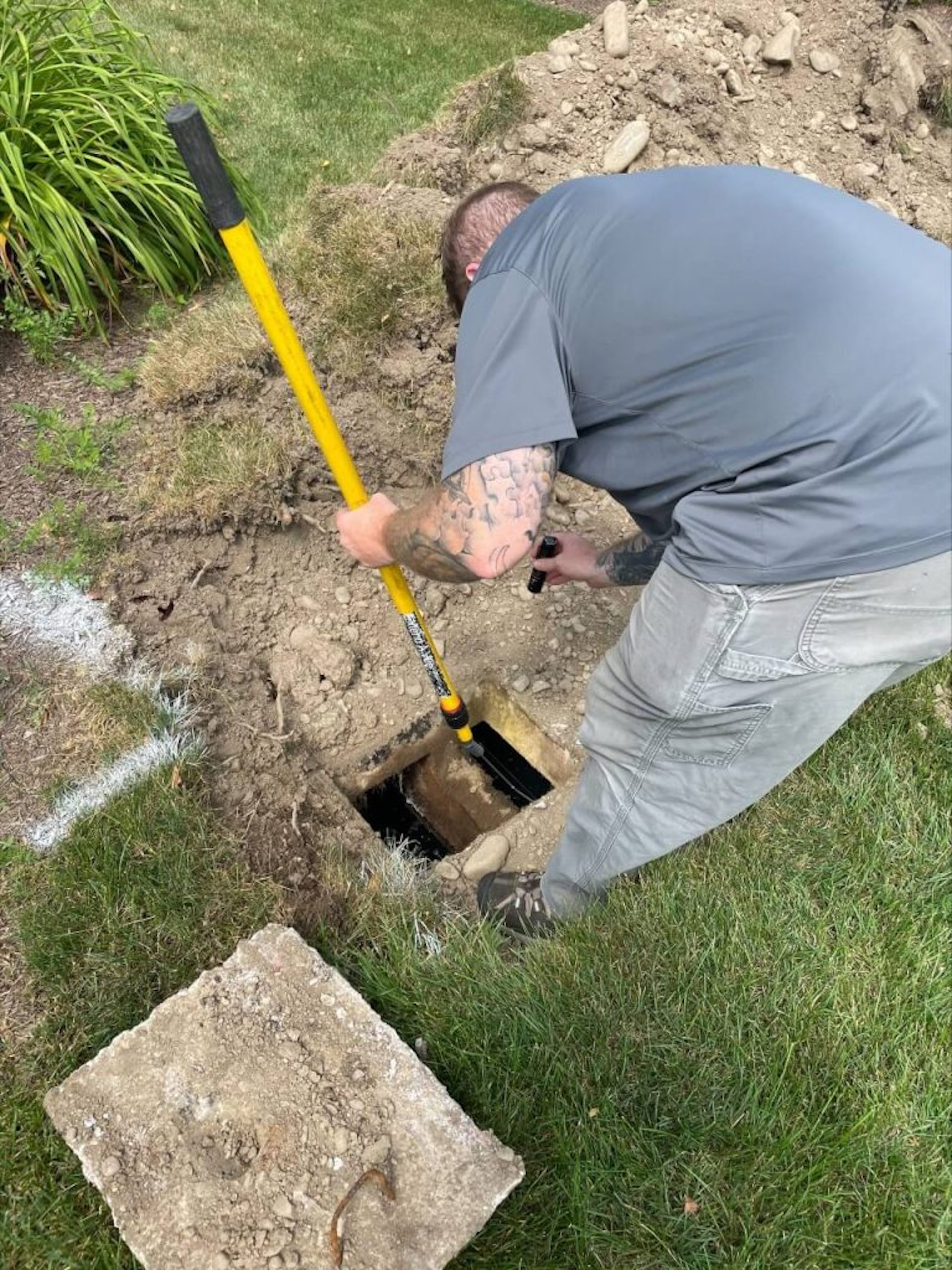
What Is a Septic Inspection? Here’s Why You Need One
A septic tank inspection is a professional evaluation of an underground wastewater treatment system to ensure its structural integrity, proper functional flow, and safety.
In Northeast Pennsylvania (NEPA), a standard septic inspection typically costs between $200 and $900, with an average of $550, depending on the size of the tank and whether locating or uncovering the access lids requires extra labor.
Around 26% of Pennsylvania homes have septic tank systems, with the majority of septic tanks found in rural areas and older homes, such as those in Berwick, Danville, and Mount Pocono.
On average, septic tanks last 20-40 years, depending on maintenance and other environmental factors.
Frequent septic tank inspections every 5 to 10 years can extend your septic tank’s lifespan and help protect you from potential leaks and backflows that could contaminate your well water.
If you’re purchasing a home in Northeast Pennsylvania, it’s essential to conduct a septic tank inspection to protect you from future repairs, as these are not included in standard home inspections.
This guide will discuss the importance of septic tank inspections and what to look for in a septic tank inspector.
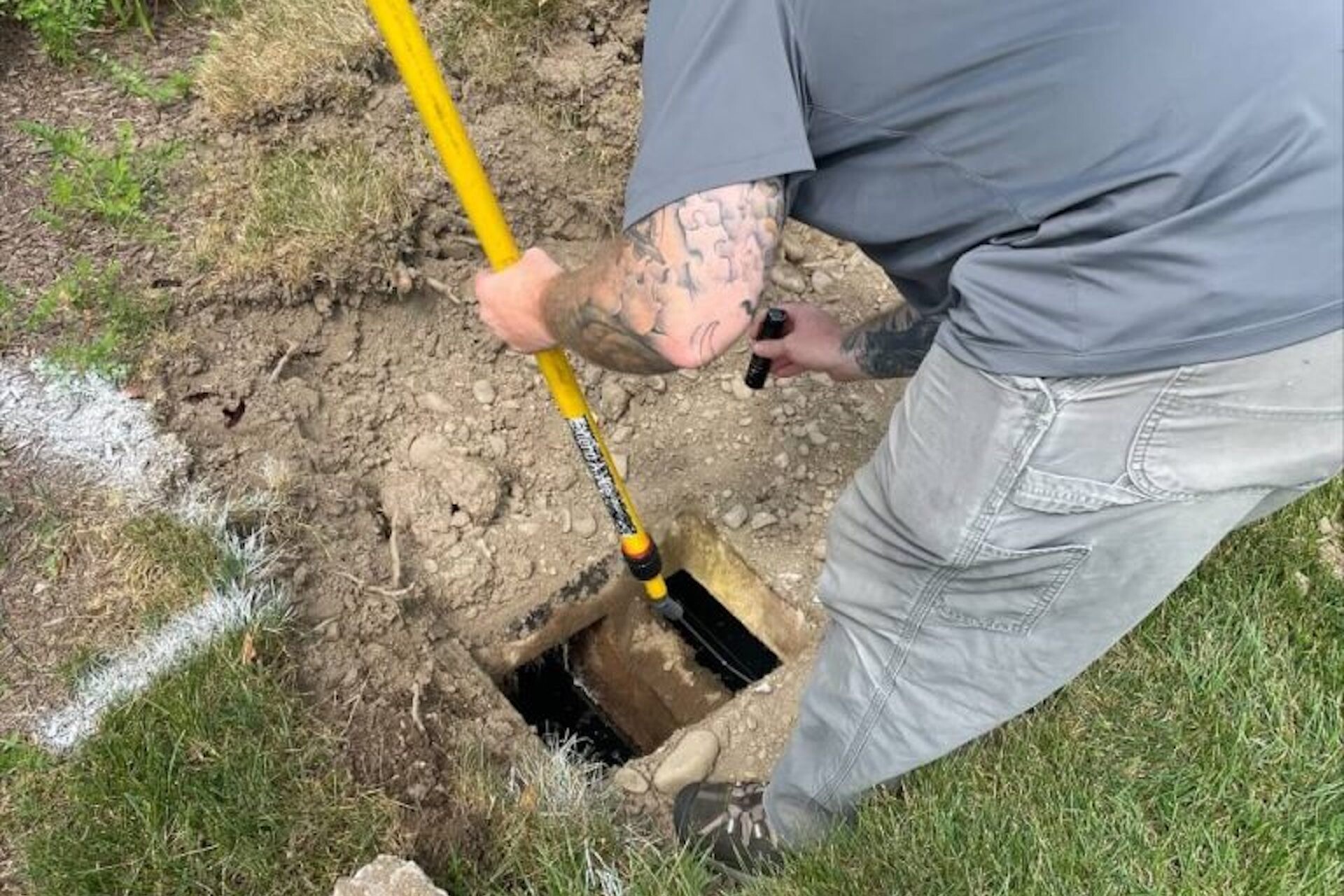
How Do Septic Tanks Work?
Septic systems separate effluent (liquid waste) from wastewater and discharge solid matter into a drain field, where it is reabsorbed into the soil.
Each septic tank consists of a large concrete or polyethylene basin that holds wastewater and pumps that divert and discharge effluent to its intended location.
Septic tanks are common in areas without municipal sewage systems and are considered environmentally sustainable when properly maintained.
Unfortunately, these basins can crack or fracture over time due to environmental conditions and soil compaction. Pumps can also become clogged or dirty as they wear out from normal use.
Homeowners who don’t clean their pumps and filters or get routine inspections of their septic systems could leave them vulnerable to damage that could become costly or to backflows that cause sewage to seep out of the system.
What Is a Septic Tank Inspection?
A septic inspection evaluates the condition of your septic tank sewage system. An inspector will examine key elements of the tank, including the basin, drain field, and piping, to ensure they are free from blockages, leaks, or other potential problems.
There are typically two levels of septic inspections you should be aware of:
- Visual Inspections: These are often part of routine maintenance checks or a general home inspection. They involve a simple examination of the tank’s surface conditions to look for signs of leakage and ask questions about the system’s performance.
- Full Inspections: A comprehensive septic inspection is a separate inspection that involves opening the tank, checking sludge levels, examining the drain field, and possibly using cameras to inspect pipes and other internal mechanisms.
A full septic inspection is always recommended when purchasing a home with a septic tank system, as a visual inspection alone does not provide sufficient detail to evaluate the system’s condition.
Why Do You Need a Septic Inspection?
A septic inspection should never be avoided, as repairs can be costly, and the potential hazards could be life-threatening.
1. Prevention of Costly Repairs
According to Forbes, the average cost of a septic tank repair is around $1,775. However, more extensive repairs could end up costing thousands of dollars more.
A septic inspection allows you to avoid repairs by negotiating with the seller to pay for them or by subtracting them from the home’s total cost.
2. Visual Inspections Don’t Go Far Enough
Visual inspections and general home inspections cannot provide an accurate assessment of a septic tank’s condition, as most of its components are internal and buried underground.
A comprehensive septic system inspection goes deep beneath the soil to provide a full 360-degree view of your system by evaluating:
- Internal components: Inspecting mechanical parts like internal pumps, floats, and baffles.
- Structural integrity: Checking the tank walls for cracks, leaks, or signs of backflow.
- Absorption area: Assessing the health and drainage capacity of the drain field (leach field).
3. Health and Safety Concerns
A malfunctioning septic system can pose serious health risks, including backflow that mixes sewage with groundwater.
If your home relies on well water, this can severely impact the quality of your family’s drinking water and put your health at risk. A septic inspection can prevent such issues, ensuring that your system is treating wastewater safely and effectively.
4. Extending the Life of Your Septic System
Regular septic inspections help extend the life of your system by catching problems early.
Well-maintained septic systems can last for decades, but neglecting inspections can shorten their lifespan significantly and leave you on the hook for costly repairs.
By having your system inspected and pumped on a recommended schedule (usually every 5-10 years), you can ensure it continues to operate efficiently for years to come.
How Much Does a Septic Tank Inspection Cost in NEPA?
In Northeast Pennsylvania, a standard residential septic tank inspection typically costs between $200 and $900.
The final price depends largely on the tank size, whether the access lids are already open, and whether specialized digital camera equipment is required to evaluate the lines.
If the system needs to be pumped simultaneously, which is highly recommended for a complete internal inspection, homeowners should budget an additional $250 to $500.
Cost Breakdown of Septic Services in Northeast PA
The table below outlines the average estimated costs for septic inspections and related maintenance services across NEPA:
| Service Type | Estimated Cost Range (NEPA Average) | What It Includes / Factors |
| Visual / Transfer Inspection | $200 – $350 | Basic surface walkthrough, dye testing, and structural check of an already exposed tank. Often required for real estate transactions. |
| Full Diagnostic Inspection | $400 – $700 | Locating and excavating lids, running electronic line locators, checking baffles, and testing absorption field flow. |
| Advanced / Large System Inspection | $700 – $900 | Comprehensive evaluation of large-capacity, multi-compartment, or commercial-grade tanks, including complex engineered or alternative mound systems. |
| Septic Tank Pumping | $250 – $500 | Pumping out solids and liquid effluent. Price varies by tank capacity (e.g., 1,000 vs. 1,500 gallons). |
| Camera Line Inspection | $150 – $300 (Add-on) | Threading a specialized fiber-optic camera through the pipes to look for root intrusion, clogs, or collapsed lines. |
| Lid Excavation / Digging Fee | $50 – $150 | Charged if the inspector has to manually shovel or bring in equipment to uncover buried access ports. |
Key Factors That Affect Your Total Cost
- Accessibility: If your tank’s access lids are buried deep underground and aren’t marked, expect to pay extra for the labor required to locate and dig them up. Installing standard risers can eliminate this fee for future inspections.
- Real Estate Requirements: If you are buying or selling a home in NEPA, mortgage lenders or local municipalities may require a specific regulatory certification (such as a PSMA inspection), which can sometimes carry a premium over a routine maintenance check.
- System Type and Size: Standard gravity-fed systems are the least expensive to inspect. If your property uses an advanced engineered system, an aerobic treatment unit (ATU), or a large multi-compartment tank, the extra complexity will push your total invoice toward the higher end of the $900 spectrum.
How Often Should You Get a Septic Tank Inspection?
For the average residential property, you should get a septic tank inspection every 3 to 5 years.
This timeline ensures that critical components are evaluated frequently enough to catch minor structural wear, hairline cracks, or minor baffle deterioration before they evolve into catastrophic, costly system failures.
More frequent inspections should be scheduled for septic systems that contain the following:
- Advanced Mechanical Components: If your property uses an engineered system, an aerobic treatment unit (ATU), or electrical effluent pumps, these moving parts experience faster wear and tear than standard gravity-fed systems.
- High Occupancy or Heavy Water Use: Large families, properties with frequent guests, or homes using multiple water-intensive appliances generate a higher volume of wastewater through the system daily, requiring closer monitoring.
- Older Systems: If your septic system is approaching the 20- to 30-year mark, periodic checks become vital for monitoring the natural degradation of concrete or plastic components.
Outside of your standard maintenance schedule, real estate transactions should always include a septic inspection to protect buyers from unknown costs.
In some cases, local lenders may require a specialized PSMA-certified inspection within a specific window (usually 30 to 90 days) prior to closing the sale.
How to Choose a Septic Tank Inspector
Choosing the right septic inspector is essential for maintaining your septic system and avoiding costly repairs.
Here are some tips for searching for a septic inspector in Northeast PA.
- PSMA Certification: The Pennsylvania Septage Management Association (PSMA) is a professional certification for septic system inspectors, ensuring they are trained in best practices for evaluating septic systems. PSMA-certified inspectors must complete rigorous training and pass exams that test their knowledge of how septic systems operate and how to identify potential problems. Certified inspectors adhere to the highest industry standards, which can give you confidence in the quality and accuracy of their inspections.
- Industry Experience: Septic systems are complex, buried environments. An experienced inspector possesses the hands-on knowledge required to detect subtle warning signs, such as minor baffle deterioration or early-stage drain field saturation, that an inexperienced general home inspector would likely miss.
- Actionable Reporting: Avoid inspectors who only provide a simple pass/fail checklist. Look for a professional who provides a detailed, comprehensive overview of your system’s current health, along with clear, actionable maintenance advice to help you maximize your tank’s lifespan.
Septic Tank Maintenance Tips
Routine inspections are your first line of defense, but daily habits dictate the true lifespan of your system. Incorporating these essential maintenance practices will prevent premature failures and save thousands of dollars in emergency repairs:
1. Commit to Regular Pumping
While an inspection tells you the health of your system, septic tank pumping physically removes the accumulated sludge and scum layers before they can overflow into your drain field. Most residential systems in NEPA require pumping every 3 to 5 years, depending on household size and water usage habits.
2. Protect Your Drain Field
The absorption area (or leach field) relies on porous soil to naturally filter wastewater. To prevent soil compaction and pipe damage, adhere to the following rules:
- Never park vehicles or drive heavy equipment over the drain field.
- Avoid planting trees or large shrubs nearby, as aggressive root systems can invade, clog, and crack underground pipes.
- Direct runoff away from the area by ensuring gutters, downspouts, and sump pumps do not discharge excess water onto the absorption field.
3. Guard Your Drains Against Household Toxins
Your septic tank is a living ecosystem fueled by beneficial bacteria that break down organic waste. Introducing harsh chemicals can wipe out these bacteria, causing solid waste to build up rapidly.
- Never flush: Baby wipes, feminine hygiene products, paper towels, dental floss, cigarette butts, or cat litter. Even items labeled “flushable” do not break down quickly enough for a septic system.
- Limit chemical usage: Minimize the use of heavy-duty drain cleaners, bleach, antibacterial soaps, latex paint, and motor oils.
- Use your garbage disposal sparingly: Disposals send finely chopped food scraps into the tank, drastically increasing the sludge accumulation rate and forcing you to pump the system much more frequently.
4. Practice Smart Water Efficiency
An overloaded system cannot process waste effectively. When a household runs multiple water-heavy appliances simultaneously, it can flood the tank, pushing undecomposed solids straight out into the drain field.
- Space out laundry loads throughout the week instead of doing them all on a single day.
- Fix leaking faucets and running toilets immediately to avoid constantly adding unnecessary gallons to the system.
5. Create a Regular Inspection Schedule
Establishing a recurring timeline with a certified professional ensures your system’s structural elements, baffling, and soil conditions are evaluated under normal operating conditions. Catching a minor hairline crack or a slow-draining field early prevents a minor fix from turning into an emergency system replacement.
Mountain to Valley Home Inspections is a PSMA-certified inspector with decades of experience servicing septic systems and all home inspection needs. Contact us today for your free quote on a septic tank inspection in NEPA.
FAQs
How often should I have a septic inspection?
You should have your septic system inspected every 3 to 5 years. It is best practice to schedule your inspection alongside your routine tank pumping. Larger households, properties utilizing advanced electrical pumps, or systems over 20 years old may require more frequent, biennial (every 2 years) checkups to catch failures early.
What does a full septic inspection involve?
A comprehensive septic inspection involves locating and uncovering the tank’s access lids, measuring the internal scum and sludge layers, and physically examining structural components like the baffles and filters. The inspector will also run flow tests and evaluate the absorption area (drain field) for signs of soil saturation, pooling water, or system backflow.
What is a PSMA certification?
A PSMA certification means an inspector has been formally trained, tested, and credentialed by the Pennsylvania Septage Management Association. This certification ensures the technician adheres to strict, uniform state standards for evaluating on-lot wastewater systems, providing a level of thoroughness that standard home inspectors cannot replicate.
Do I need to pump my septic tank before an inspection?
No, you should not pump your tank immediately before an inspection. The inspector needs to see the wastewater at its normal operating level to check for proper flow, blockages, and backflow from the drain field. However, it is highly recommended to have the tank pumped during or immediately after the inspection so the technician can clearly examine the empty tank’s floor and walls for structural cracks.
Can a home inspector check a septic system?
A standard home inspector can only perform a basic visual walkthrough or a dye test, which does not provide an accurate assessment of a buried system. Because the critical components are underground, you need a specialized inspector—ideally one with a PSMA certification—who has the tools and expertise to locate, dig up, and run full diagnostics on the tank and drain field.
What are the warning signs that my septic system is failing?
Common warning signs of a failing septic system include slow-draining toilets or sinks, gurgling noises in your plumbing, sewage odors in your yard, and patchiness or unusually lush, vibrant green grass over the drain field. Severe indicators include standing water or soggy soil near the tank area and actual sewage backing up into your home’s lowest drains.
Are septic tank inspections required to sell a home in Pennsylvania?
While Pennsylvania state law does not universally mandate a septic inspection for every property transfer, most municipal ordinances, mortgage lenders, and buyers require one before closing a sale in NEPA. Real estate contracts typically specify a PSMA-certified inspection to ensure the system is functioning correctly and to protect all parties from immediate, costly repair liabilities.