
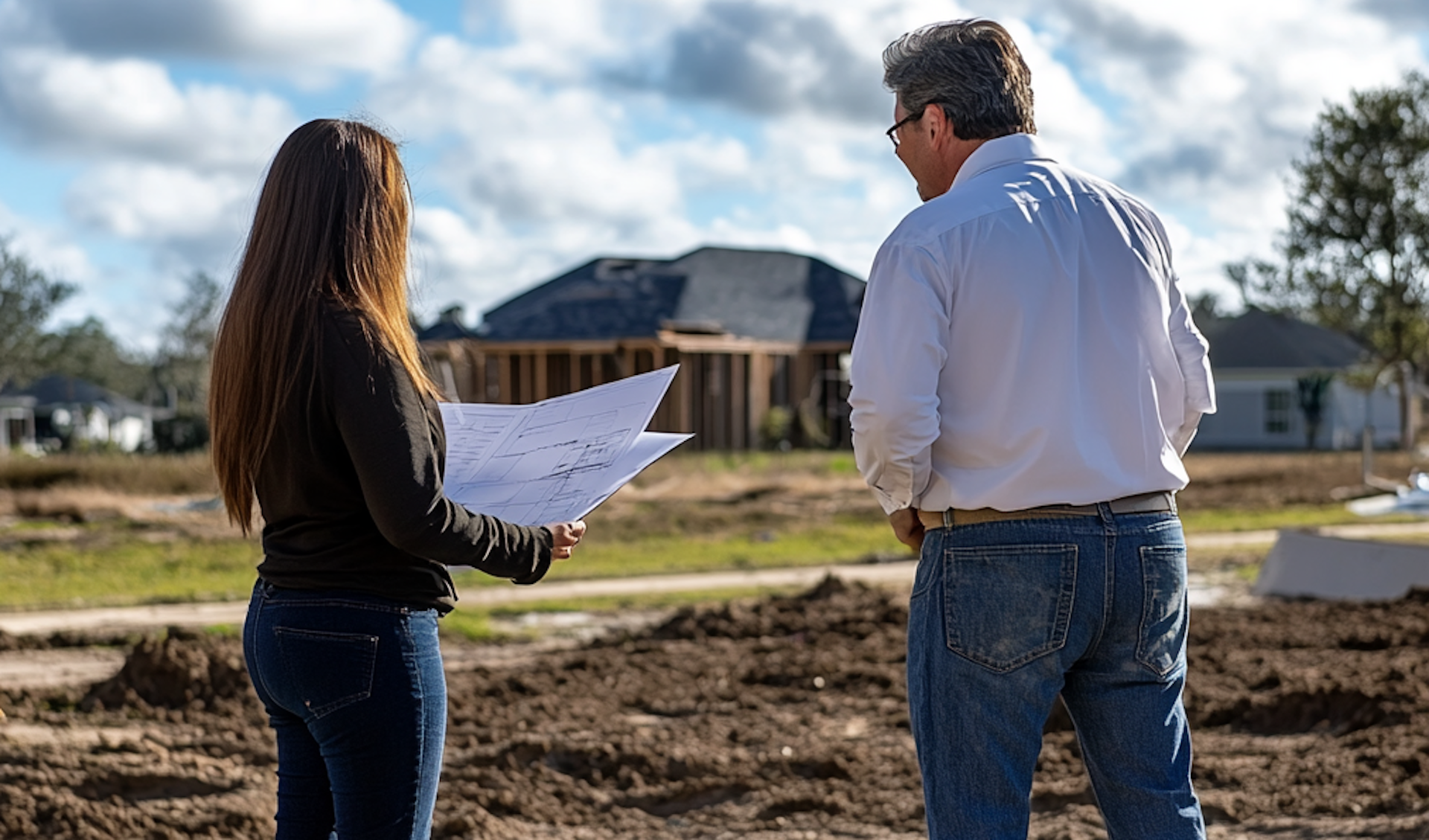
New Construction Inspections Guide: Understanding the Phases
Purchasing a new home In Northeast PA can be a risky financial decision, which is why many people prefer the security of a brand-new home.
However, new construction homes can often be subject to the same issues as older, existing homes, if not with added concerns.
Factors such as the builder’s negligence, local soil conditions, and the strength of the materials used could lead to any number of issues that cost homeowners thousands of dollars down the road.
This guide will discuss the importance of new construction inspections for builders and prospective home buyers. It will also discuss when each phase of construction should be performed to ensure the highest levels of quality.
Should New Homes Be Inspected?
Newly constructed homes should absolutely be inspected, and multiple home inspections are required to identify any issues that may have long-lasting consequences for homeowners.
While some people associate new homes with higher-quality builds, new homes are often subject to several issues that older homes may not face, including:
- Foundation Settlement: Improperly compacted soil or inadequate foundation design can cause cracks in the foundation, leading to structural issues.
- Structural Issues: Some of the most common issues we encounter are typically improperly installed floor joists and framing members, which threaten the home’s overall structural integrity.
- Poor Workmanship: Inexperienced labor or rushed construction can lead to uneven surfaces, misaligned fixtures, or sloppy finishes.
- Defective Materials: Watch out for contractors that cut corners! Substandard materials or incorrect installation of quality materials can result in premature wear, leaks, or malfunctions.
HVAC Problems: Many new homeowners are frustrated to learn that they have an expensive HVAC repair bill in the first year of their home. Unfortunately, poor installation can quickly curtail the longevity of your HVAC system and force it into early repair.
Phases of New Construction Inspections
Avoiding these issues requires continuous oversight and monitoring by builders and their staff. One way to catch mistakes early in the construction process is to invest in routine inspections completed at strategic points. These points include:
Foundation Inspection
The first construction phase involves laying the foundation, and is where your first inspection should begin.
During this phase, inspectors examine the excavation, footings, and foundation walls to ensure they meet engineering specifications. Key aspects checked include:
- Levelness and Stability: Ensuring the foundation is level and stable.
- Waterproofing: Checking for proper sealing and drainage to prevent moisture issues.
- Reinforcement: Verifying the placement and integrity of steel reinforcement bars (rebar).
- Compaction: Ensuring soil around the foundation is properly compacted to prevent sinking or settlement.
Performing an inspection at this stage will preserve the home’s structural integrity and save the homeowners thousands in potential repairs.
Pre-Drywall Inspection
Next, a thorough inspection should be performed after all framing and structural members of the house are erected. A pre-drywall inspection allows inspectors to peek behind the walls of your home and investigate several critical components, including:
- Structural Framing: Inspecting the framing for any defects, such as inadequate support or improper spacing.
- Electrical and Plumbing: Checking wiring, outlets, switches, and plumbing connections for compliance with codes and safety standards.
- Insulation and Ventilation: Ensuring proper installation of insulation and ventilation systems to maintain energy efficiency and indoor air quality.
This stage of inspection is arguably the most important, as it can catch costly repairs and structural defects before they become endemic.
Final Inspection
The final inspection occurs when the construction is complete before the home is officially sold. At this stage, buyers must perform an inspection to ensure that all components of the home are sound. Far from beyond a blemish-free report, we often find several issues related to workmanship and material quality at this stage. Some components we look at include:
- Exterior: Checking siding, roofing, windows, and doors for proper installation and weatherproofing.
- Interior: Assessing finishes, cabinetry, flooring, and fixtures for quality and functionality.
- Mechanical Systems: Testing HVAC systems, water heaters, and appliances to ensure they operate correctly.
This inspection also ensures that the new build is up to spec and complies with local municipal codes.
1-Year Inspection (Warranty Inspection)
Many new homes come with a builder’s warranty that covers defects for up to a year after construction completion. However, once that warranty runs out, you will be on the hook for any repairs. The 1-year inspection, typically conducted around the 11th month of occupancy, aims to:
- Identify Defects: Catch any issues covered under the warranty before it expires.
- Document Concerns: Provide a detailed report to the builder for necessary repairs.
- Ensure Compliance: Verify that previous issues have been adequately addressed.
Addressing warranty issues promptly helps maintain the home’s value and livability over the long term.
With these potential issues in mind, we strongly urge prospective home buyers to only purchase a home inspected at each stage or to work with a builder who has proof these inspections were performed.
Additional Considerations
Beyond the basics, here are some additional factors to consider regarding new construction inspections:
- Builder’s Reputation: Research the builder’s reputation for quality and customer satisfaction.
- Contractual Obligations: Review the contract to understand inspection rights and responsibilities.
- Indoor Air Quality: Poor ventilation can lead to mold and several additional air quality issues. Performing an air quality inspection will help catch these issues before they compound.
- Water Quality Testing: While it’s not something many homeowners think about, it pays to test your water quality, especially if you’re buying a home with new water lines running to it or from a well.
With the rate of new construction in Northeast PA, it’s more important than ever for builders and prospective homeowners to perform inspections at each stage of the new construction build. This will help protect both parties from financial liabilities and smooth the transaction process.
FAQs
Why should I get a new construction inspection if the home is brand new?
Despite being new, homes can have construction defects, errors, or incomplete work that may not be immediately apparent. An inspection provides an unbiased evaluation by a professional to catch and address issues early, potentially saving on future repair costs and ensuring peace of mind for the buyer.
Who performs new construction inspections?
Inspections are typically conducted by licensed and certified home inspectors who specialize in new construction. These professionals have the expertise to identify construction issues and provide detailed reports on the home’s condition.
What do inspectors look for during a new construction inspection?
Inspectors evaluate various aspects of the home, including:
- Structural integrity and quality of construction.
- Electrical, plumbing, and HVAC systems for compliance with codes.
- Proper installation of insulation, windows, and doors.
- Functionality of appliances and fixtures.
- Overall safety and adherence to building standards.

Does the Buyer or Seller Pay for the Home Inspection?
While many prospective buyers budget for their down payment, they often fail to account for additional costs required to appraise the home, draft the loan, perform a title search, and perform an inspection.
Unfortunately, in hotly contested real estate markets across Northeastern and Central Pennsylvania, home inspections have fallen by the wayside as a short-term cost-saving strategy and to make the buyer’s offer more appealing.
While home inspections are another added cost on top of an already expensive purchase, it’s one of the most important financial decisions you can make to protect the purchase of your home.
With that said, it’s important to know when to perform a home inspection, who is responsible for it, who is responsible for the repairs, and how to use the home inspection to your advantage.
When Does the Home Inspection Take Place?
Both buyers and sellers may be responsible for the home inspection, depending on who initiates it. In our many years of experience performing home inspections across Northeast PA, we generally see two common scenarios in which the buyer or seller will request an inspection.
Buyer’s Inspections
In a traditional real estate transaction, the buyer requests a home inspection shortly after an offer is made on the home and it is accepted by the seller. The home inspection thus enables the buyer to uncover any issues that may affect the final price of the home and use this information to help them negotiate a better rate.
Most importantly, the home inspection ensures the buyer that any investment they make will not come with any unexpected repairs that could harm them financially after the sale of the home.
Benefits of Buyer’s Inspections
- Protects buyers from repairs that can be made before the completion of the sale.
- Gives buyers peace of mind that they will not be saddled with repairs they cannot afford.
- Allows buyers to negotiate a lower price if there are issues uncovered.
- Provides buyers with an unbiased view of the home, even if the seller has performed their own inspection.
Pre-Listing Inspections
In recent years, many sellers have opted to perform pre-listing inspections in order to market their homes to sellers and avoid any costly repairs that could derail the closing process. This is typically performed before listing the home to avoid costly delays that may inhibit the seller’s ability to move forward with their own separate home purchase.
Benefits of Pre-Listing Inspections
- Expedite the sale of home to buyers who may choose to forgo an inspection if one has already been provided.
- Make the home more attractive to buyers, which could end up raising the final sales price.
- Avoid costly delays that may threaten the sale of the home and also inhibit the seller’s ability to move forward with any separate transactions that depend on this one.
Who Pays for the Home Inspection?
Ultimately, the party responsible for performing the inspection will pay for it. However, in some situations, the buyer may be able to bundle the home inspection into the final closing costs if the seller agrees to this arrangement.
Nevertheless, in most circumstances, the home inspection is considered separate from other closing costs and is usually the responsibility of the buyer if he/she requests the inspection.
Separate home inspections, such as an indoor air quality test or radon inspection, are usually paid for separately by the buyer unless the seller wants to perform these tests.
How Much Does a Home Inspection Cost?
If you are responsible for paying for the home inspection, you can expect to pay an average of $342 nationwide and between $200 and $500 in Pennsylvania. Some factors that may impact the cost of the home inspection include:
- The location of the home
- The square footage of the home
- The age of the home
- The number of issues with the home
Keep in mind that, unlike a deposit, you cannot be refunded for a home inspection if you are unsatisfied with the results.
How Much Does a Home Inspection Cost?
If you are responsible for paying for the home inspection, you can expect to pay an average of $342 nationwide and between $200 and $500 in Pennsylvania. Some factors that may impact the cost of the home inspection include:
- The location of the home
- The square footage of the home
- The age of the home
- The number of issues with the home
Keep in mind that, unlike a deposit, you cannot be refunded for a home inspection if you are unsatisfied with the results.
Who’s Responsible for Home Inspection Repairs?
In most cases, the seller will be responsible for performing any repairs on a home to complete the transaction. In Pennsylvania, home inspectors are forbidden from providing specific quotes on home repairs, and these prices are to be negotiated by the seller and the third-party providing them.
Do Seller’s Typically Get a Copy of the Inspection
In most cases, the seller will not be provided with a copy of the inspection report if the buyer pays for it. The seller will be notified of any repairs or issues that the buyer finds unsatisfactory. This is why we urge sellers to perform a pre-listing inspection so they can get their own copy to compare against anything that may come up on the buyer’s inspection and use during negotiation.
If the seller and buyer share the inspection cost as part of closing, the seller will be provided with a copy.
Of course, if the seller requests and pays for the inspection, they will receive a copy of the report.
Home Inspections Benefit Buyers and Sellers
In negotiation, knowledge is power and therefore we recommend that both buyers and sellers perform their own home inspection. While it may seem redundant, it empowers both parties during negotiation and a pre-listing inspection can expedite the sale of the home by allowing the seller to take care of any repairs before the actual closing process.
Most importantly, it will provide both parties with greater peace of mind.
If you need a thorough and honest home inspection in NEPA, trust only the best. Trust an InterNACHI-certified home inspection from Mountain to Valley Home Inspections. Contact us today for your free quote!
9 Home Inspection Tips to Help Sellers Get Their Homes Sold Faster
Selling a home can be just as stressful, if not more stressful, than buying a home.
If you are trying to buy a home yourself, and it’s contingent on selling your existing home or actively paying a mortgage on two separate homes, then the pressure to sell quickly can be unbearable.
One way sellers can ease this pressure and avoid obstacles in the closing process is with a pre-listing inspection. This article will outline the benefits of a pre-listing inspection for sellers and outline eleven home inspection tips for sellers to ease this process.
Why Should You Get a Pre-Listing Inspection?
The nationwide average for closing times is around 44 days, though this could easily double or triple in length with a bad inspection report.
For sellers under pressure to sell fast, unforeseen issues that inevitably come up in an inspection report can mean waiting weeks to repair or relisting the home at a lower price.
That’s why we often recommend a pre-listing inspection on your current home as the first step in selling it or buying another one.
By conducting a pre-listing inspection and getting an honest assessment of its condition, you will be able to:
- Price your home accurately, understanding how much you can get in equity to finance a new home.
- Market your home appropriately to attract the right buyers.
- Proactively make repairs that could delay closing times and actively imperil any offer you’ve made on another home.
What Does a Pre-Listing Inspection Check?
A pre-listing inspection provides the same overview of your home as a traditional residential home inspection that any buyer would purchase. Some of the most important elements of the inspection include:
- Structural integrity: The condition of the roof, foundation, and floors.
- Plumbing Issues: The condition of pipes, water heaters, and water pressure.
- Electrical Issues: The condition of wires, electrical boxes, and outlets.
- HVAC Issues: The condition of all heating and cooling equipment.
However, a pre-listing inspection will be more thorough than that. Most inspectors will evaluate every inch of your property and outline any problems they spot, from a chimney with poor flashing to a bedroom door knob that doesn’t function properly.
9 Tips for Homeowners to Prepare for an Inspection
You may think you are powerless during a home inspection, but there are many things you can do to help your inspector and clean up your inspection report.
1. Find the Right Inspector
First, it’s essential to find the right inspector. A good inspector will be able to identify any issues that may come up in a future inspection report and save you the headache.
There are many resources to find an inspector, including:
- Your realtor or brokerage
- Referrals from friends and family
- Online directories and review sites
One thing to keep in mind is certification. Look for things like certification from the International Association of Certified Home Inspectors (InterNACHI) to find a properly qualified inspector. There are even tiers of service, with a Certified Master Inspector representing the highest tier.
2. Make Small Repairs Where Possible
While most people can’t fix a roof, you can be proactive in helping your inspection report by making small repairs wherever possible. Ideas could include:
- Fixing loose door knobs
- Sanding down doors that stick
- Patching any holes in walls or ceilings
- Tightening railings
- Fixing leaking or dripping pipes
- Applying caulk to cracks
- Using pest control to eliminate any pests
- Repairing or replacing weatherstripping
- Fixing light switches or loose outlet covers
- Ensuring locks work properly
3. Conduct Exterior Maintenance
Likewise, it helps to conduct some exterior maintenance on your home. This will also add some serious curb appeal. Some ideas include:
- Trimming overgrown brush
- Clearing out clogged gutters and downspouts
- Positioning downspouts away from the home
- Repairing loose bricks, stones, or cement.
- Painting and sealing wooden decks or porches.
- Power spraying your siding.
- Eliminating any birds or wasps nests.
4. Get Your HVAC System Tuned Up
Unlike many appliances in your home, heating and cooling systems require routine maintenance over the years to ensure they are in working order. This includes cleaning filters, though it often pays to hire a local contractor to ensure your refrigerant and coils are working on all cooling systems.
Ductwork inspections should also be done routinely to inspect for cracks and leaks that rob you of energy efficiency.
5. Inspect for Water Damage
Water damage is a massive concern for homeowners, and it can lead to issues like mold, pests, and damage to interior framing components. Inspect for water damage before an inspection to see if any repairs need to be made or if an additional mold inspection should be completed.
- Look for wet spots around pipes.
- Inspect pipes in your basement drop ceiling for corrosion and loose fittings.
- Search for cracks in drywall.
- Inspect for mold in areas where visible.
- Monitor humidity and moisture content in rooms with poor ventilation.
6. Clean and Eliminate Any Clutter
Tidying up your home and getting rid of clutter will allow the inspector to thoroughly search every inch of your home without missing any issues. Even just keeping your home neat could result in a more positive inspection report.
7. Ensure Utilities Are in Working Order
Inspect all utility hookups, including electrical, gas, water, and septic, to ensure they are in working order. For homes with septic systems, it often pays to complete a septic inspection to ensure all parts and filters are in working order.
8. Give Inspectors Enough Time and Space for Inspections
Some people recommend being present during inspections, but for sellers, it makes sense to give an inspector enough freedom to conduct the inspection at their own pace. This may require you to leave for an hour or two and possibly take your pet or restrict them to one room of the house.
9. Disclose All Known Issues
State law requires you to disclose all known issues to buyers, but it’s good practice to do the same for your inspector. This will give them a good starting point to look at and allow them to determine the extent of the damage.
Next Steps for Sellers
If the inspection report comes back positive, you can list your home and price it confidently.
However, if the report uncovers some major issues that do require repair or a close eye, there are a few options you can pursue:
- Hire a Contractor for Repairs: This is often the most straightforward solution, especially for major repairs that require technical knowledge. The important thing here is finding a contractor you trust that can make the repairs quickly.
- Make the Repair Yourself: This is not recommended for major repairs, but many homeowners don’t want to pay the additional cost of a contractor. Just be sure to disclose that you made the repairs yourself when providing the inspection report, as some buyers may want a follow-up inspection.
- Sell Home As-Is: This isn’t a bad option if you want to sell your home quickly, but it may require repricing the home.
Overall, a pre-listing inspection will help you avoid unforeseen obstacles that could slow or stall the sale of your home and allow you to make the necessary adjustments before listing.
FAQs
Should I provide documentation of past repairs or maintenance?
Yes, providing documentation of repairs, maintenance, and upgrades can demonstrate that the home has been well cared for and can alleviate buyer concerns.
Do I need to disclose known issues?
Yes, sellers are typically required to disclose known issues with the property. Honesty is crucial to avoiding legal issues and maintaining trust with potential buyers.
15 Reasons You Need a Home Inspection in NEPA
Even Northeast Pennsylvania’s housing market is not immune to price hikes and the glut of increased demand that rapidly outpaces supply.
According to Zillow, home values in the area rose by 6% between April 2023 and 2024.
Unfortunately, a National Association of Home Builders Housing Trends Report states that being outbid is the number one reason buyers lose out on homes.
One way that house hunters have tried to gain an advantage in the housing market has been to waive inspection requirements to make their offers more attractive to sellers. However, this has several potential consequences, including financial devastation and health hazards.
While viewed as an added expense, a residential home inspection can offer homeowners insurance against the worst possible consequences and give them confidence in their purchase. Even sellers can benefit from getting their homes inspected before listing by anticipating possible repairs and increasing their marketability.
This article will discuss fifteen benefits of performing a home inspection in NEPA and why you should never waive one.
10 Reasons Buyers Should Perform a Home Inspection Before Purchase
Unlike your deposit, a home inspection is one expense that cannot be refunded when you put an offer on the house.
However, if something in the inspection prevents you from buying that house, then the benefits of the inspection far outweigh the costs.
Here are some concrete reasons why you absolutely should get a home inspected before purchase.
1. Eye Inspections Don’t Pain the Full Picture
Most house hunters are more allured by a home’s cosmetic details than its structural details. Unfortunately, a home walkthrough does not give you the full picture of its safety and condition.
Unless you have extensive knowledge of construction, electrical, plumbing, and HVAC work, you are basically leaving these features up to chance that they are in good condition without a proper inspection.
2. Avoid Safety Hazards
The most important reason to perform a home inspection is to protect the health and safety of your family. A qualified residential home inspector will be able to provide a detailed report of a home from the ground up, including essential components like its:
- Foundation
- Roofing
- Electrical
- Plumbing
- HVAC
- Siding/Facade
- Framing
A home inspector will literally inspect every inch of your home, from the porch you first enter through to every door, inch of crawl space, attic component, and everything in between.
3. Protect You from a Potentially Bad Investment
From a financial perspective, a home inspection identifies any issues requiring immediate or future repair.
Many first-time buyers in Pennsylvania don’t anticipate the amount of cash required to cover closing costs, typically 2-5% of the home’s total value. Add in possible roofing, foundation, or HVAC repair, and your dream home can quickly become a financial nightmare.
4. Give You Peace of Mind
Conversely, a good home inspection can give you added peace of mind that you are not trapping yourself into a poor financial decision. If you’ve ever purchased a home, you know the anxiety of waiting to hear back from an inspector and appraiser.
Having confidence in your purchase is simply priceless.
5. Offer Leverage for Negotiations
If a home you are looking to purchase does come back with defects and issues that require immediate repair, this can give you leverage as a seller to lower the asking price and possibly save you short-term money.
In many cases, sellers may be willing to accept this, especially if it means having them avoid covering the cost of repair and waiting to re-list their home (while still paying on the mortgage).
6. Help You Budget for Future Repairs
A detailed home inspection will help you identify issues that require long-term repair. Knowing this will help you avoid surprise purchases down the road, such as installing a new furnace or appliance, which can be equally devastating financially.
7. Option to Bundle Repairs Into the Selling Price
In this scenario, a seller may add the cost of repairs to a home to its asking price, essentially allowing you to pay for those repairs throughout your loan instead of with cash on hand. This strategy is similar to bundling closing costs into your loan and may suit some buyers, depending on their financial needs.
8. Many Homes in NEPA Are Very Old
Depending on the type of home you’re trying to purchase in the area, it could face unique issues related to its age. Outdated electrical work, such as knob-and-tube wiring, is very commonly found in many older homes in the area, especially around Scranton, Bloomsburg, and the Wilkes-Barre areas
Even smaller issues, such as poor insulation, outdated windows, or lack of ventilation in a bathroom, are very commonly found in older homes and should be updated.
9. Even New Construction Runs Into Issues
Likewise, newer homes are not immune to shoddy workmanship. In fact, newer homes are often more likely to suffer from foundation issues, poor flooring installation, and grading/drainage issues.
10. Avoid Health Concerns Like Radon and Mold
Finally, we recommend homeowners protect themselves from dangerous pathogens like radon and mold by performing a special indoor air quality and radon test. While not required, this can protect your family’s health or those of those residing in that home.
5 Reasons Sellers Should Get an Inspection Before Listing
If most buyers are willing to perform an inspection on their own dime, then why should sellers do so? However, there are multiple benefits to a pre-listing inspection, especially in a buyer’s market.
1. Gain Accurate Pricing
Appraisals rely more on cosmetic details and comparative homes in the area for pricing, not necessarily their condition. A home inspection will allow you to gain more accurate pricing. Who knows? A positive home inspection may even allow you to raise the price.
2. Expedite the Listing and Sales Process
One of the best reasons to proactively hire a home inspector is to list your home faster and speed up the closing process. Depending on the buyer, they may accept the results of your home inspection report, especially if a trusted inspector in the area did it.
3. Control the Repairs
Completing a pre-listing inspection gives you control of the repairs, including who’s making them and what you’re paying for them. This allows you to save money and know the job was done right.
4. Avoid Legal Complications
Selling a home that is not up to local building codes can delay and even stop your home sale in its tracks. Depending on the city, you may be required to make immediate repairs or provide certain disclosures to get your home listed.
5. Attract the Right Buyers
Finally, conducting a proactive inspection increases the marketability of your home by outlining its new repairs or features. This will help connect you with the right buyers, especially if you want top dollar for your home.
Do Not Waive a Home Inspection
Waiving a home inspection could end up leaving you saddled with tens of thousands of dollars in repair and an unsafe home.
While there may be a small upfront investment to perform a home inspection, the return on investment in terms of avoided costs and peace of mind far outnumber the few hundred dollars you have to pay a home inspector.
We also recommend additional inspections, such as septic inspections if you are buying a home with a septic tank and a pest inspection if there is evidence of termite damage.
For the most comprehensive and reliable home inspection results in NEPA, turn to the experts at Mountain to Valley Home Inspections. Contact us for a free quote today and to see how we can assist you!
FAQs
What does a home inspection include?
A standard home inspection covers, but is not limited to:
- Structural components (foundation, walls, roof)
- Exterior components (siding, windows, doors)
- Roofing
- Plumbing
- Electrical systems
- Heating and cooling systems (HVAC)
- Interior components (walls, ceilings, floors)
- Insulation and ventilation
- Fireplaces and chimneys
How long does a home inspection take?
The duration of a home inspection varies based on the size and condition of the home, but it typically takes 2-4 hours. Most homeowners can expect to see results in 2-4 business days.
What happens if the inspector finds problems?
If the inspector finds issues, you can use the inspection report to negotiate with the seller for repairs, a price reduction, or credit toward closing costs. In some cases, you may decide to withdraw your offer based on the severity of the issues.

Maintaining Your HVAC Filter
One of the most common HVAC issues we find on home inspections is poor maintenance as a result of a dirty or clogged filter. While a dirty filter won’t spell the end of your HVAC unit just yet, it will slowly rob it of its energy efficiency and eventually degrade its interior components.
Fortunately, maintaining an HVAC filter is very easy and straightforward and only requires routine cleaning about once or twice a month. This guide will discuss the importance of maintaining your HVAC filter and how to clean it thoroughly.
The Importance of HVAC Filter Maintenance
Maintaining your HVAC filter is incredibly important for several reasons. For one, it helps maintain indoor air quality. A clean filter also helps keep your family safe by reducing allergens and dust that circulate through the air.
Cleaning your filter also allows you to save on energy costs. When filters are clogged with dirt, they have to work harder to maintain the same temperature, which will increase your energy bill each month.
Lastly, regularly maintaining your filter allows you to maximize the system's life. A clogged filter, as we now know, causes the system to work overtime, which may cause it to overheat, resulting in leaks and electrical issues.
Now that we can see why maintaining your HVAC filter is important, the question is, how do we do this?
Types of HVAC Filters
Before we discuss how to clean your filters, it is important to know that there are two types of HVAC filters:
1.) Disposable: These filters should be thrown away once they become clogged or dirty. They consist of a cardboard frame that is not designed to withstand spraying from a hose or continuous use. Disposable filters should be replaced at least every three months
2.) Permanent: Instead of cheap cardboard frames, most standard HVAC filters have fiberglass frames. They may cost more upfront, but in the long run, can save you money as these can be cleaned and then reused.
How to Clean Reusable HVAC Filters
To clean your permanent filter, first turn off the heating or air conditioner and then locate your HVAC unit's service panel. Once you have found this, open it to remove the filter. Clean the filter with running water, either from your sink or a garden hose. It is important to wait until your filter is completely dry before reinserting it back into your system.
Quick Tips for Maintaining Your HVAC Filter
- Follow manufacturer instructions for cleaning and maintaining your HVAC filter.
- Use a special cleaner designed for your filter to prolong its life.
- Set a reminder on your phone for every month to clean your HVAC filter when the system is in use. Make it part of your spring cleaning and summer maintenance routine.
- Inspect filters for damage after each cleaning and replace filters when they become torn or have holes present.
By following these easy steps, you will be able to not only protect the health of your family, but also save on energy costs and lengthen the life of your HVAC system!

What we Believe in: Justin

The goal of Cozy Coats for Kids is to improve the well-being of children in need by providing them with the opportunity to choose their own brand-new winter coat. This charity is very important to me as there are so many children that cannot obtain this basic necessity. As a father of two children I feel it is so important that no child be cold during the winter or ever. The vision of this charity is for every child in need to receive a free brand-new winter coat in their favorite color and style. They partner with schools, social services, and other nonprofit agencies along with home inspection agencies in order to ensure that all children are given a new, warm, and stylish coat. This organization believes, as do I that by giving a child a brand-new winter coat and having them know that it was specially delivered and chosen for them not only instills confidence, but also improves their overall wellbeing to help them gain the confidence to achieve their goals and reach their full potential.
What We Believe In: Rachel
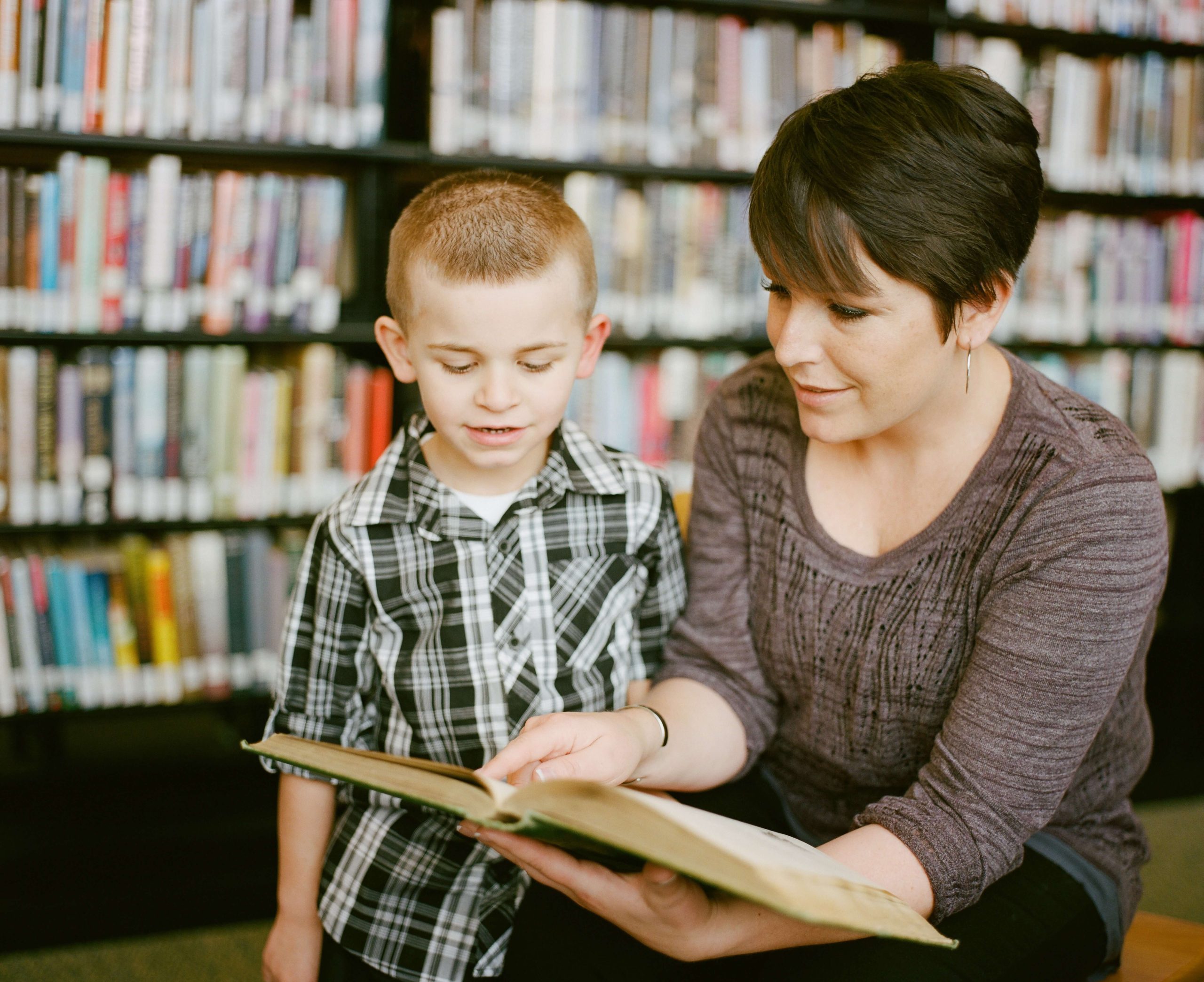
One thing that all of us at Mountain to Valley Home Inspections believe in is the importance in giving back to those around us. This can be anything from donations of money or in the giving of our time to help those in need within our communities. For me, I volunteered as a tutor at the McGlynn Center for over two years. This is an after-school program in Wilkes-Barre, PA that helps at risk children by giving them the tools they need to succeed. Every child would also get a snack after attending the tutoring sessions and I was able to donate goodie bags for them for the holidays. Through working with the other wonderful volunteers at the center, I learned that one small act of kindness can have on a huge impact on child's life. It was also there, that I learned about the Catherine Mcauley Center and their strong need for help especially around the holidays, to be able to provide women and children with gifts for Christmas. My family and I were able to adopt a family and donate presents to them. They also greatly welcome donations of hygiene products anytime throughout the year and are in Plymouth, PA (Call 570- 342-1342 if interested on helping out). Being able to work with the people here at Mountain to Valley Home Inspections that share my views on the importance of helping those in need around us is something that I cherish, as it is hard to find especially in these uncertain times.

If you would like to help out contact the McGlynn Center at (570)824-8891 to learn about what is needed in order to get started as a volunteer!

Maintaining your Sump Pump during the Winter
Winter maintenance is important in ensuring that your electrical appliances don’t fail due to extreme weather. Given the unpredictability of the winters in NEPA, we recommend winterizing most appliances in your home that will not be used, from your hot water heater to your sump pump.
Unfortunately, damaged sump pumps are one of the most common home inspection errors we see in a lot of homes in NEPA. This guide will help you prolong the longevity of your sump pump through some simple winter maintenance.
Remove the Discharge Hose
First, you can begin by removing your sump pump discharge hose for the winter. By removing the hose connecting your sump pump to the discharge pipe and leaving it disconnected until warmer weather returns, you will prevent it from freezing.
Since this hose is exposed to the elements more than any other part of your system, it’s essential to start here. It’s also important to remember to re-attach the hose when it becomes warmer out as things will begin to thaw.
You can also choose to have an extra discharge hose. With the extra hose, you can remove one hose if it freezes and replace it with the spare while the first thaws out.
Keep Your Sump Pump Running
A common misconception among homeowners is that you should unplug your sump pump for the winter to protect it.
You should never unplug your sump pump because if the weather warms up and snow or a rain storm hits your area, your basement could flood
Clean Out the Sump Pit
Clear out debris from your sump pump's pit that may have accumulated through the summer and fall. You should make sure that there is no dirt, ice, gunk, or any other debris that might inhibit the system. This will help to prevent clogs in the intake or discharge pipes and prevent mold from accumulating that can spread around the home.
Test Your Pump to Ensure Its Functional
You should also test your pump regularly. During the winter months, run some water through it to ensure that it is functioning properly. Run a test every few weeks to keep your sump pump running in tip-top shape.
Inspect Your Discharge Pipe
Another important tip is to make sure that your discharge pipe gets rid of water away from your home. Your pump's discharge pipe takes water from your sump pump and disposes of it away from your home. If your discharge pipe is too close, the water could keep seeping back into your sump pump and cause it to run continuously. It is recommended that water be discharged at least ten feet away from your home's foundation to prevent damage and cracks from forming.
You can even wrap your pipe with a thermal blanket like any other pipe in your home to prevent it from freezing.
Keep Your Basement Warm
Lastly, we recommend that you keep your heat on in your basement. By keeping your basement warm, you can prevent any of your home's pipes from freezing. Consider upgrading your insulation to save money and keep your basement warm during the freezing months.
We hope that these tips will help you prevent damage to your sump pump and ensure that it is properly maintained!
How to Prevent your Pipes from Freezing
Of the many consequences that cold weather can bring in NEPA, frozen pipes are one of the most destructive. Repairing burst pipes could end up costing you hundreds of dollars and lead to issues like mold and foundation cracks. For people with burst pipes, we also recommend a follow-up home inspection to ensure further damage has not occurred.
Unfortunately, frozen pipes can occur in homes with both plastic and copper pipes, so it is important to know what to do to prevent them. By taking the following precautions, you can reduce the risk of frozen water pipes and the resulting damage a bursting pipe can cause.
- Insulate Your Pipes
You can first begin insulating exposed pipes, as these are the most susceptible to freezing. Heat tape and cables can be used to wrap around pipes and retain heat. When using these tapes and cables, it is important that you use products approved by an independent testing organization and only for how you intend to use them, for either exterior or interior pipes. You should also follow all directions provided on the packaging.
- Seal All Leaks
Sealing air leaks in your basement and attic can also be beneficial as it will prevent cold air from entering these areas and freezing your pipes. You should start by looking for air leaks around electrical wiring, dryer vents and pipes, and then use caulk or expanding foam insulation to keep the cold out.
- Open Cabinets to Allow Heat In
Opening cabinet doors can allow heat to reach uninsulated pipes that are under your sinks. Do this in any area of the home where pipes are present, such as bathrooms and kitchens. If you have pipes that run along the wall through bedrooms, open up panels and allow heat from the home to keep these pipes warm.
- Allow Water to Trickle
Allowing a trickle of hot or cold water to drip overnight can also prevent the freezing of your pipes. Any water, regardless of the temperature, will help melt ice that forms inside the pipe, preventing it from freezing.
- Disconnect Outdoor Hoses
Securing outdoor houses, valves, and faucets is also an important winter maintenance tip to remember. You should disconnect your garden hose and, if possible, use an indoor valve to shut off and drain the water from the pipes leading to your outside faucets. This reduces the chances of your pipes freezing in the short amount of pipe inside of your home.
- Turn Up Your Thermostat
Adjusting your thermostat can also be yet another way to protect your pipes. By keeping your thermostat set at the same temperature during the day and night, you prevent freezing, and during extreme cold, this helps to reduce the strain that your furnace may also be facing.
- Insulate Attics and Basements
If you want long-term relief against frozen pipes, you’ll need to upgrade the insulation in areas of your home where pipes are exposed, such as attics or basements. Work with an insulation contractor to install your insulation so that all areas are properly ventilated.
What to Do If Your Pipes Do Freeze
Now that you know what should be done to prevent freezing pipes, what happens if yours freeze?
If you turn on your faucet and nothing comes out leave it turned on and call a plumber! You should also avoid the use of appliances near water, as areas with standing water could cause electrocution.
You should shut off your water supply if your pipes have already burst by cutting them off from the main supply. With the faucet still on, take a hair dryer (if you’re not near standing water) and heat the pipe to allow the ice to thaw.
Winterizing your pipes will help shield them from the threat of frost. Now that you know what things can be done to prevent your pipes from freezing and the tools necessary if something does go astray to help you, you can rest easy this winter!
Winterizing Your Water Heater
Like so many appliances, your hot water heater only gets thought of when it breaks and when it gets brought up on a home inspection report. While your water heater is designed to withstand frost by nature, if you are leaving your home or not using your hot water heater for an extended period of time, the pipes surrounding it might freeze.
One way to prevent this from happening is to winterize your hot water heater in the same way you would winterize your pipes on a very cold day. This simple 3-step guide will demonstrate how to winterize your hot water heater for an extended period of downtime.
The Importance of Protecting Your Hot Water Heater
Like gutters and pipes, winterizing your hot water heater is essential to maintaining your home through extreme cold weather. If your hot water heater is not in use and freezes, all the water inside the pipes will expand, destroying the system.
Worse yet, it could lead to leaks and pipe bursts that result in mold and foundation cracks.
Precautionary Steps
Before you begin winterizing your hot water heater, you must make sure to turn off the water and gas supply or unplug the heater if yours happens to be electric. Once this is done, you need to make sure the pilot light is turned off along with the knob on the heater control box. This will prevent accidental electrocution or injury during this process.
Step 1: Drain the Tank
The next step is to drain the tank. To do this, you must first locate the drain near the bottom of your water heater and attach your garden hose to it. Then, you will be able to drain the water into a bucket until it is empty. While doing this make sure your air vent is open at the top of the water heater.
Step 2: Let Water Drain Through Your Faucets
Now that your tank is empty, you should turn on all the faucets in your home and leave them open. When you do, some water may come out, but it should stop in just a few minutes. Be sure to keep lower-level faucets open in your basement as well to allow all the hot water to drain out entirely.
Step 3: Insulate Your Tanka and Pipes
We highly recommend purchasing a water heater blanket to protect the equipment while it is not being used, keeping it warm and preventing ice from forming. Not only should the water heater be protected from the cold, but the pipes leading up to it as well. To protect your pipes, you should purchase some insulation and wrap it around them using duct tape to secure it in place.
By following these simple and easy steps you can enjoy your time away from the cold and relax knowing your water heater has been taken care of and will work properly upon your return!