
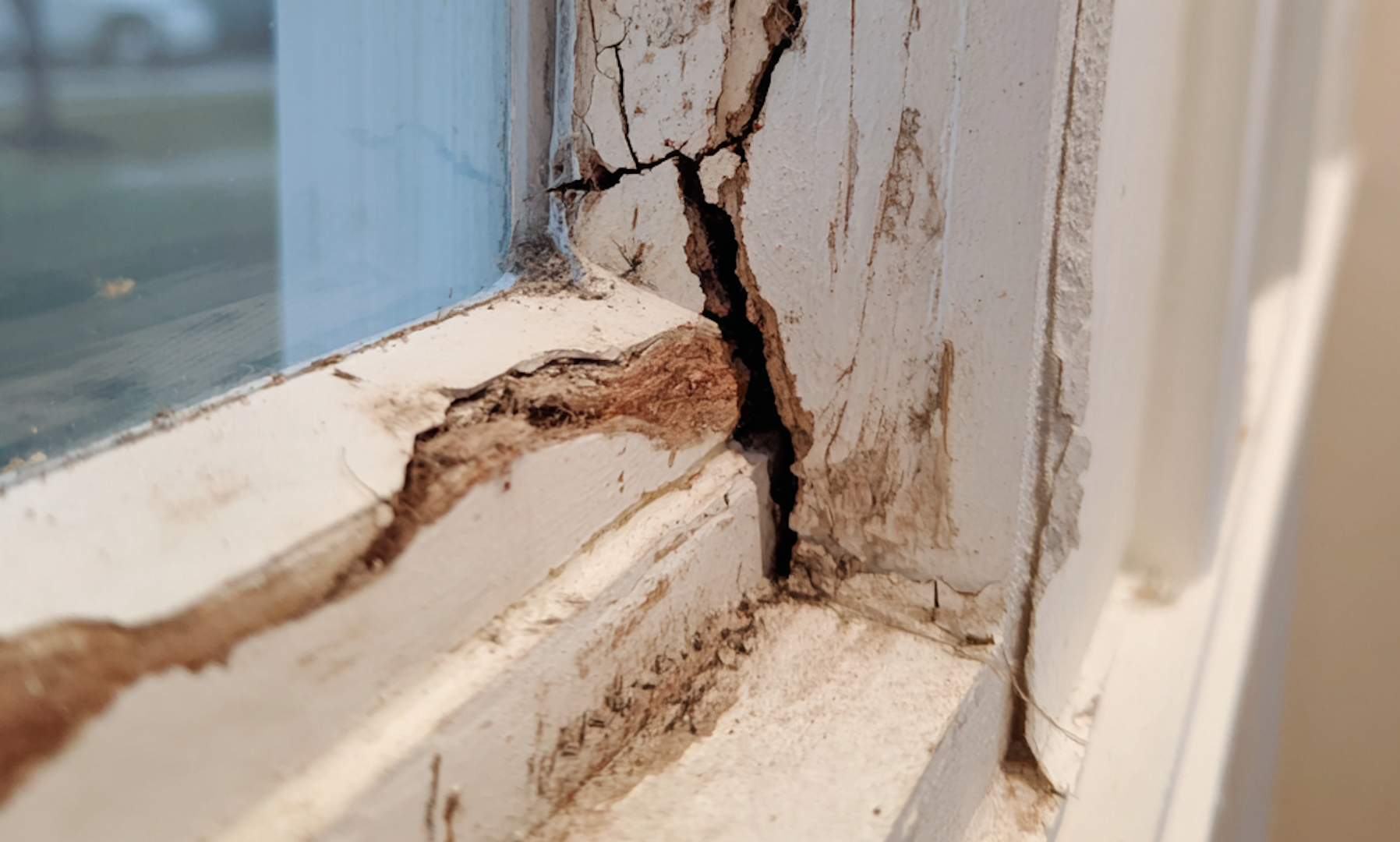
How Does Termite Damage Impact Your Resale Value in NEPA?
Selling a home with termite damage in NEPA can lower your resale value by as much as 20%.
Termites often infest homes silently for many years before homeowners discover and treat them. These wood-destroying organisms are attracted to moisture and soft woods, often attacking crucial framing members of your home and exposed wooden furniture.
Termites cause more than $5 billion in property damage every year in the United States, making them a significant threat to residential properties in Pennsylvania with wooden frames.
Even if termites are treated, and past damage exists, it can still lower your resale value and impact insurance coverage. Any termite damage must be disclosed on the seller’s disclosure, making it illegal to cover up past damage.
If you’re buying or selling a home in Northeast Pennsylvania and are curious about how much past termite damage can affect the value of your property, this guide will walk through different scenarios to provide a rough estimate of how much it will lower.
How Much Damage Can Termites Cause to Homes?
Over a few-month period, a single colony of 60,000 termites can chew through an entire 2×4 plank of wood.
In Pennsylvania, where subterranean termites are the most common termite–and also the most destructive–the average colony can consist of anywhere from 60,000 termites to over one million.
The primary issue is that termites can often exist for months, if not years, before being discovered. All it takes is one severely weakened floor joist, loading bearing beam, or wall stud to cause structural issues that ripple throughout your entire home’s structure.
According to Angi, nationwide estimates for termite repair costs range from $1,000 to over $10,000.
How Termite Damage Affects Your Home’s Resale Value
The financial impact of termites varies widely, depending on factors such as severity, location, and whether repairs were completed. Below are the biggest ways termite damage influences home value.
1. Lower Appraisal Value
Home appraisers look at overall condition, market comparables, and structural integrity. Confirmed termite damage—even if repaired—can reduce appraised value because:
- Structural components have been compromised
- The home may be considered a higher-risk investment
- Repairs may not restore the original value if the structural timber was replaced
- Local comps without termite history will be valued higher
Even minor termite damage can lower the value by several percentage points. Severe, unrepaired damage can reduce the home’s value significantly more.
2. Reduced Buyer Confidence
Buyers are cautious, especially when it comes to homes older than 50 years in NEPA. Termite damage raises immediate concerns, such as:
- “What else is hiding behind the walls?”
- “Was the damage fully repaired, or just patched?”
- “Will termites return?”
While some buyers are willing to negotiate for lower rates, many buyers will walk away entirely.
3. Required Repair Credits or Price Reductions
When termite damage appears on an inspection report, buyers commonly request seller concessions, such as repair credits, treatment guarantees, reinspections, or a lower sale price. Depending on the extent of damage, these reductions can range from minor adjustments to substantial price drops.
4. Mandatory Treatment & Repairs Before Closing
Mortgage lenders, especially FHA, VA, and USDA loans, require homes to be free of wood-destroying insects.
If termites are found, sellers are typically required to:
- Pay for a full treatment
- Repair or replace all damaged components
- Provide documentation of clearance
Failure to do so can delay or disqualify financing.
How Common Is Termite Damage in NEPA?
While termites are more common in the south, they are still very common in Northeast Pennsylvania–particularly older homes with moisture issues and homes surrounded by trees.
Typical hotspots where termite inspectors look around your home include:
- Sill plates
- Support beams
- Rim joists
- Basement perimeter walls
- Deck posts
- Garages
- Additions with old framing
Because termite activity can remain hidden for years, most homeowners don’t discover the problem until they prepare to sell.
The Importance of Wood-Destroying Organisms (WDOs) Inspections
A standard home inspection will note visible damage, but often doesn’t include or seek out damage from a wood-destroying organism (WDO). In addition to termites, several pests can cause widespread wood damage, including carpenter ants and wood-boring beetles.
In Pennsylvania, buyers using FHA, VA, or USDA loans often need a WDO inspection for mortgage approval.
A clean WDO report is a significant selling advantage, especially if done with a pre-listing inspection. A report showing damage or activity must be addressed before the deal can move forward.
What Happens If Termite Damage Is Found on the Inspection Report?
Termite damage rarely kills a deal outright, but it does shift negotiations and responsibilities for both the seller and the buyer. Once damage is identified, both sides must decide how to move forward based on the extent of the issue and what the contract allows.
Sellers generally have three choices:
- Make repairs before closing — Treat active termites, fix structural components, and provide documentation. Helps preserve the home’s value but requires upfront cost and potential delays.
- Offer a repair credit — Provide a financial concession instead of completing repairs. Keeps the deal moving but reduces the seller’s net proceeds.
- Sell the home as-is — Often chosen for older or inherited properties. Avoids repair obligations but typically results in lower offers and a smaller buyer pool.
Buyers also have several options once termite activity or structural damage is confirmed:
- Request full treatment and repair from the seller
- Negotiate a lower purchase price
- Ask for a transferable termite warranty
- Walk away if their inspection contingency allows it
A qualified home inspector can help both parties understand whether the damage is minor, moderate, or structurally significant, ensuring buyers make informed decisions and sellers know what to expect during negotiations.
FAQs
Can a home fail inspection because of termite damage in NEPA?
Severe structural damage or active infestations can stop a sale until treatment and repairs are completed.
Do sellers in PA have to disclose termite damage?
Yes. Pennsylvania requires disclosure of known infestations, treatments, and structural damage on the Seller’s Property Disclosure Form.
Will buyers still make offers on a home with termite history?
Absolutely—if the issue was treated and repaired. Documentation is key.
Does homeowner’s insurance cover termite damage?
No. Termite damage is considered preventable maintenance and is not covered under standard policies.
How long after treatment can I sell my home?
Immediately, provided you have a clearance letter, and there is no active infestation.
Do termite warranties transfer to the new owner?
Many do. Transferable warranties increase buyer confidence and can improve resale value.

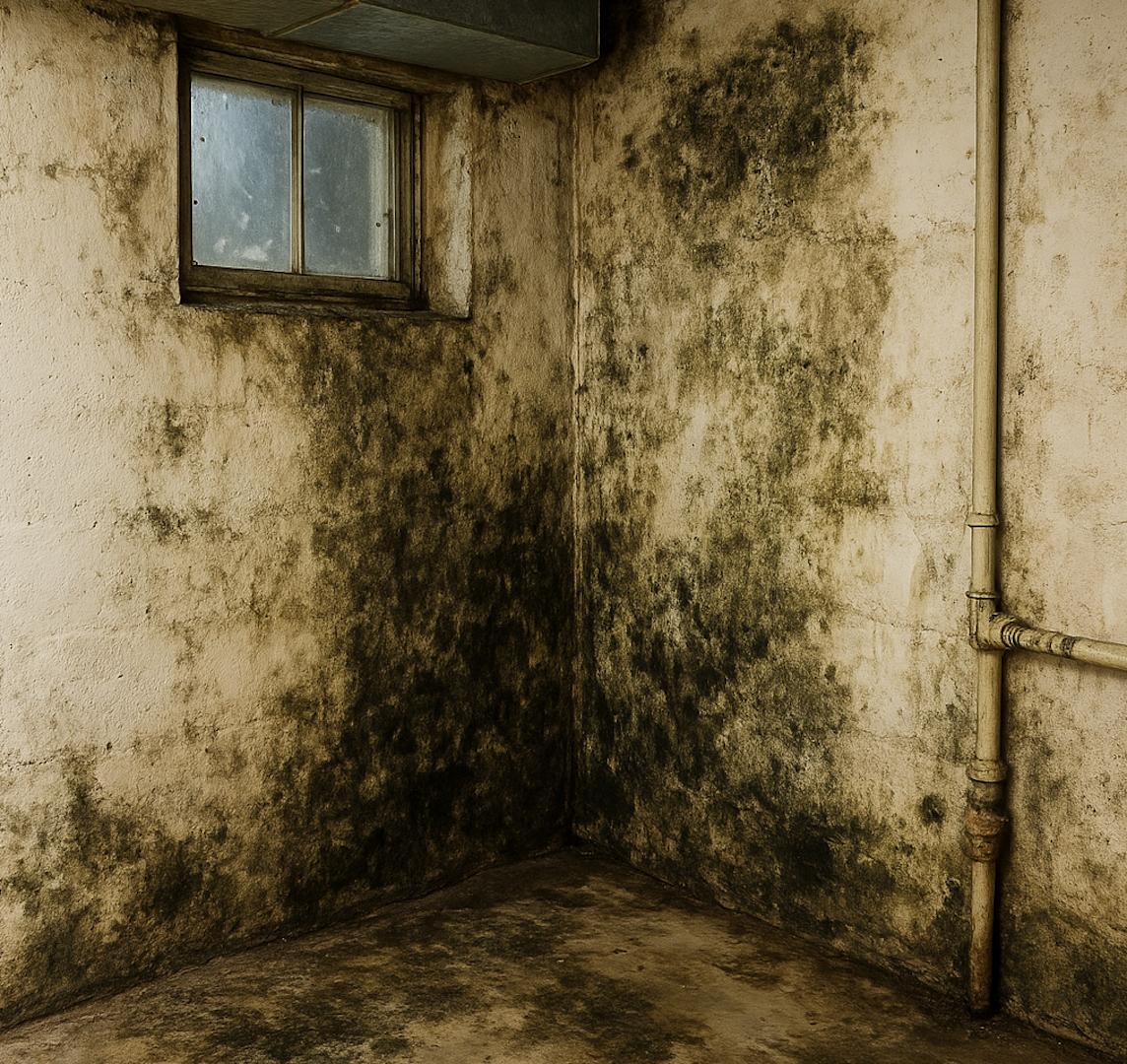
7 Signs of Home Mold Exposure: Do You Need an Inspection?
Mold is present in every home in Northeast Pennsylvania, but the type and extent of mold exposure can vary. According to Ruby Homes, 47% of homes across the US have visible signs of mold.
Despite its prevalence, many homeowners don’t notice a mold problem until physical symptoms begin appearing.
Mold often develops behind walls, inside basements, or within HVAC systems, making it difficult to detect. Older homes in Scranton and Wilkes-Barre with drainage issues and poor ventilation are more susceptible to mold and should be inspected when purchasing a new home.
Traditional home inspections may miss mold exposure, especially behind visible surfaces.
If you’ve experienced recurring respiratory irritation, musty odors, or strange discoloration on walls, it may be time to get a specialized mold inspection.
This guide explains how mold forms, the most common signs of exposure, where mold hides in homes across NEPA, and when you should schedule a certified mold inspection.
What Causes Mold to Grow in a Home?
Mold spores are always present, but they become a problem when indoor conditions support growth. Mold needs only three things: moisture (leaks, humidity, condensation), organic material (wood, drywall, carpet, insulation), and dark, poorly ventilated spaces.
Homes in Scranton, Wilkes-Barre, and the Poconos are especially prone to mold due to older construction, high humidity, basement dampness, and seasonal freeze-thaw cycles that cause roof and foundation leaks.
Once mold takes hold, colonies spread quickly, and spores can become airborne, leading to noticeable signs of exposure.
The Most Common Signs of Mold Exposure
Mold exposure affects people differently, but there are several shared signs that could point to persistent mold exposure.
1. Persistent Musty Odors
A musty, earthy smell is the most recognizable sign of mold, even when no visible colony is present.
These odors often come from:
- Damp basements
- Crawl spaces
- Behind drywall
- Under carpets
- Inside HVAC ducts
If your home smells musty after rain, after running the AC, or when entering from outside, you may have hidden mold growth.
2. Allergy-Like Symptoms That Improve When You Leave Home
One of the strongest indicators of mold exposure is when allergy symptoms vanish once you leave the house.
Common signs include sneezing, congestion, throat irritation, and sinus pressure.
If these symptoms appear mainly at home, but not at work, outdoors, or on vacation, that’s a strong sign that mold may be present indoors.
3. Visible Mold Growth
Early mold growth is often subtle, which is why homeowners frequently overlook it. It may appear as small black specks, pale yellow or green smudges, white fuzzy film, or even orange staining around sinks and drains.
Any visible mold—no matter how small—signals active growth and a larger moisture problem nearby. In most cases, a small patch on the surface means a much more extensive colony may be spreading behind walls, under flooring, or inside HVAC systems.
4. Recurring Flu-Like Symptoms
Some homeowners begin experiencing cold-like symptoms that never fully go away, including fatigue, headaches, sinus irritation, or a lingering “under the weather” feeling.
These symptoms often worsen after showers, rainy days, or in rooms with higher humidity. Because mold releases airborne spores that fluctuate with moisture levels, symptoms tend to come and go in cycles, making them easy to dismiss as seasonal illness.
5. Worsening Asthma or Breathing Problems
Individuals with asthma, COPD, or general respiratory sensitivities are among the first to feel the effects of mold exposure. They may notice tightness in the chest, persistent wheezing, shortness of breath, or increased reliance on inhalers.
These issues are often most noticeable in bathrooms, basements, laundry areas, and utility rooms—spaces where moisture and poor ventilation create ideal mold conditions.
6. Skin Irritation or Rashes
Certain types of mold release compounds that can irritate the skin, causing redness, itching, dryness, or unexplained rashes. Homeowners sometimes notice these symptoms intensify when they spend time near mold-prone areas such as damp basements, musty closets, or HVAC vents.
Symptoms typically ease after leaving the affected space, which is a strong indicator that mold may be the culprit.
7. Household Signs That Suggest Mold Growth
Peeling paint, warped drywall, and sagging or soft flooring typically signal ongoing moisture issues.
Brown or yellow water stains, persistent condensation on windows, and repeated plumbing or roof leaks also create ideal mold conditions.
Even efflorescence—a chalky white residue on basement walls—can indicate moisture movement through masonry, making mold growth extremely likely behind surfaces.
Where Mold Commonly Grows in NEPA Homes
Because of the region’s older housing stock, high humidity, and frequent freeze–thaw cycles, mold tends to appear in predictable areas throughout Scranton, Wilkes-Barre, Hazleton, and the surrounding counties. The most common hotspots include:
- Basements and crawl spaces with humidity, seepage, or poor drainage
- Bathrooms with steam buildup, hidden leaks, or inadequate ventilation
- Kitchens with plumbing failures, dishwasher leaks, or cabinet condensation
- Attics with roof leaks, wet insulation, or ventilation issues
- HVAC systems with condensation, dirty coils, or poor filtration
If mold develops in any of these areas, spores can easily circulate throughout the home.
When Should You Get a Home Mold Inspection?
A mold inspection is recommended any time you notice musty odors, see visible growth, experience recent water damage, or develop symptoms that improve when you leave the home.
Inspections are also crucial before buying or selling a property, since hidden mold can disrupt negotiations or lead to costly repairs. Homeowners planning renovations should also schedule an inspection so they don’t accidentally disturb hidden mold inside walls or flooring.
You should schedule a mold inspection if you experience:
- Persistent musty smells
- Visible mold patches, even small ones
- Any type of water damage (leaks, floods, roof failures)
- Real estate transactions where mold could impact value
- Health symptoms that disappear when away from home
- Renovation projects that may disturb concealed moisture areas
A certified mold inspector can locate the source, identify severity, and determine whether professional remediation is necessary—far more accurately than DIY test kits.
What a Professional Mold Inspection Includes
A qualified inspector examines the entire home (not just the visible mold) to pinpoint moisture sources, assess hidden areas, and evaluate air quality.
A complete inspection typically includes moisture mapping with thermal imaging, a full visual assessment of attics, basements, crawlspaces, and HVAC systems, optional air or surface sampling, and a detailed report outlining findings and recommended next steps.
How to Prevent Mold in Your Home
Long-term mold prevention begins with one core principle: controlling moisture before it becomes a problem. Homeowners in NEPA can greatly reduce mold risk by taking a few proactive steps:
- Keep indoor humidity below 50% year-round.
- Run exhaust fans in bathrooms and kitchens during and after use.
- Fix plumbing leaks immediately, especially around sinks, toilets, and appliances.
- Improve ventilation in basements and crawlspaces to limit trapped moisture.
- Insulate cold surfaces like pipes and exterior walls to reduce condensation.
- Clean and maintain gutters to prevent water intrusion near the foundation.
- Seal foundation cracks to stop groundwater seepage.
- Use a dehumidifier in damp areas—especially basements common in NEPA homes.
Mold can take hold quickly, but with consistent moisture control and good home maintenance habits, most mold problems can be prevented entirely. Staying ahead of leaks, humidity, and poor ventilation keeps your home healthier, safer, and free of recurring mold issues.
If you suspect mold in your home, don’t wait to schedule an inspection. We also recommend a separate mold inspection when purchasing a home, as mold rarely shows up on traditional reports unless it is visibly present on surfaces in the home.
FAQs
How do I know if my symptoms are caused by mold?
If symptoms worsen at home and improve when you leave, mold could be the cause. An inspection can confirm hidden growth.
Can mold make you sick even if you can’t see it?
Yes, hidden mold behind walls, carpets, and HVAC systems can release spores into the air.
Should I remove the mold myself?
Small surface patches can be cleaned, but large or hidden mold requires professional remediation.
Is mold inspection required during home buying?
Not always, but it’s highly recommended, especially for older homes or properties with visible water issues.
Do DIY mold test kits work?
They often give inaccurate results and cannot find hidden moisture or structural mold sources.
How quickly does mold grow after water damage?
Mold can begin growing in as little as 24–48 hours under the right conditions.
Is basement mold common in Scranton & Wilkes-Barre?
Yes. Aging foundations, poor drainage, and high humidity make mold extremely common in NEPA basements.