
Health Risks of Long-Term Radon Exposure in NEPA
Long-term radon exposure is the second leading cause of lung cancer in the United States, responsible for approximately 21,000 deaths annually, according to the EPA. In Northeastern Pennsylvania, radon concentrations frequently exceed the EPA action level of 4.0 pCi/L due to regional geology rich in uranium-bearing shale and granite.
Radon is a radioactive gas that forms when uranium in soil and rock breaks down. It seeps through foundation cracks, sump pump openings, and gaps around utility penetrations.
Once inside, radon accumulates in enclosed spaces like basements and first floors. The gas decays into radioactive particles that lodge in lung tissue when inhaled, causing cellular damage over years of exposure.
This guide explains the health risks of radon exposure in NEPA homes, identifies symptoms and warning signs, establishes safe concentration levels, and provides testing protocols for basements and living spaces.
What Makes Radon Dangerous?
Radon becomes hazardous through radioactive decay. When radon atoms break down, they release alpha particles—high-energy radiation that damages DNA in lung cells. This process creates polonium-218 and polonium-214, both radioactive isotopes that attach to dust and aerosol particles in indoor air.
You inhale these particles without even knowing. They settle in the bronchial epithelium, where continued radiation exposure mutates cells and triggers cancer development.
The EPA and World Health Organization classify radon as a Group A carcinogen, meaning it definitively causes cancer in humans.
Why NEPA Has a Higher Radon Risk than Other Areas
Northeastern Pennsylvania lies within the Reading Prong geology, characterized by uranium-rich Precambrian rock formations.
Counties such as Lackawanna, Luzerne, and Wayne consistently report indoor radon levels above the national average.
The Pennsylvania Department of Environmental Protection designates NEPA as a Zone 1 area, indicating predicted average indoor radon screening levels exceeding 4 pCi/L.
Soil permeability and indoor air pressure differentials exacerbate the problem. For example, the stack effect—where warm air rises and exits through upper floors—creates negative pressure in basements. This vacuum pulls radon from soil into living spaces through any available opening.
Older homes with basements and poor ventilation tend to carry the highest risk of elevated radon levels.
Symptoms of Chronic Radon Exposure
Radon exposure produces no immediate symptoms. Unlike carbon monoxide or natural gas leaks, radon is colorless, odorless, and tasteless and cannot be detected through physical sensation.
Health effects develop after years of exposure. Lung cancer symptoms from radon typically appear 5 to 25 years after prolonged exposure to elevated concentrations. By that point, cellular damage has accumulated significantly.
Late-Stage Warning Signs
When lung cancer from radon exposure advances, symptoms include:
- Persistent cough that worsens over time or doesn’t respond to treatment
- Coughing up blood (hemoptysis), even small amounts
- Chest pain that intensifies with deep breathing, coughing, or laughing
- Shortness of breath during routine activities
- Wheezing or hoarseness without infection
- Recurrent respiratory infections like bronchitis or pneumonia
- Unexplained weight loss and fatigue
These symptoms mirror other respiratory conditions. Medical diagnosis requires imaging (CT scans, X-rays) and sometimes a biopsy to confirm lung cancer.
Radon-induced lung cancer cannot be distinguished from smoking-related lung cancer through symptoms alone. Early testing is the only way to identify and mitigate radon exposure.
Is Radon Risk Higher in Smokers?
Smokers face 10 times higher lung cancer risk from radon compared to non-smokers, according to EPA research. Tobacco smoke damages cilia—tiny hair-like structures that clear particles from airways. This damage allows radon decay products to remain in the lungs longer, increasing radiation exposure to lung tissue.
Even former smokers maintain an elevated risk. If you smoked previously and live in a high-radon home, your cumulative lung cancer risk remains significantly higher than that of someone who never smoked.
How to Test for Radon in Your Basement
Radon testing in basements provides worst-case concentration data since radon enters primarily through foundation-soil contact.
Two testing categories exist: short-term and long-term.
- Short-Term Tests (2–7 Days): These provide a quick screening, ideally during the heating season (October–April). You must keep all windows and exterior doors closed for 12 hours before and during the test, placing the device at breathing height in the lowest lived-in level of the home.
- Long-Term Tests (90+ Days): These measure radon for 3–12 months to provide an annual average concentration. This is the most accurate way to represent true exposure risk because it accounts for daily and seasonal fluctuations caused by soil moisture and temperature changes.
To ensure the highest accuracy, a professional radon inspector will determine your home’s levels using Continuous Radon Monitors (CRMs). These specialized devices record hourly concentration patterns and include anti-tampering features, providing a detailed report that is considered the industry standard for real estate transactions.
DIY kits are available only in hardware stores, but for accurate results, it’s important to conduct a professional radon inspection. Continuous Radon Monitors have much higher accuracy and can help mitigation experts determine the right methods to reduce radon levels in your home.
If your home uses a private well, you should also consider well-water testing, as radon can be released into the air during activities like showering or dishwashing. The EPA suggests considering mitigation if water concentrations exceed 4,000 pCi/L.
How Does Radon Mitigation Work
If your testing reveals elevated radon levels, there are professional solutions that can lower exposure and protect your health.
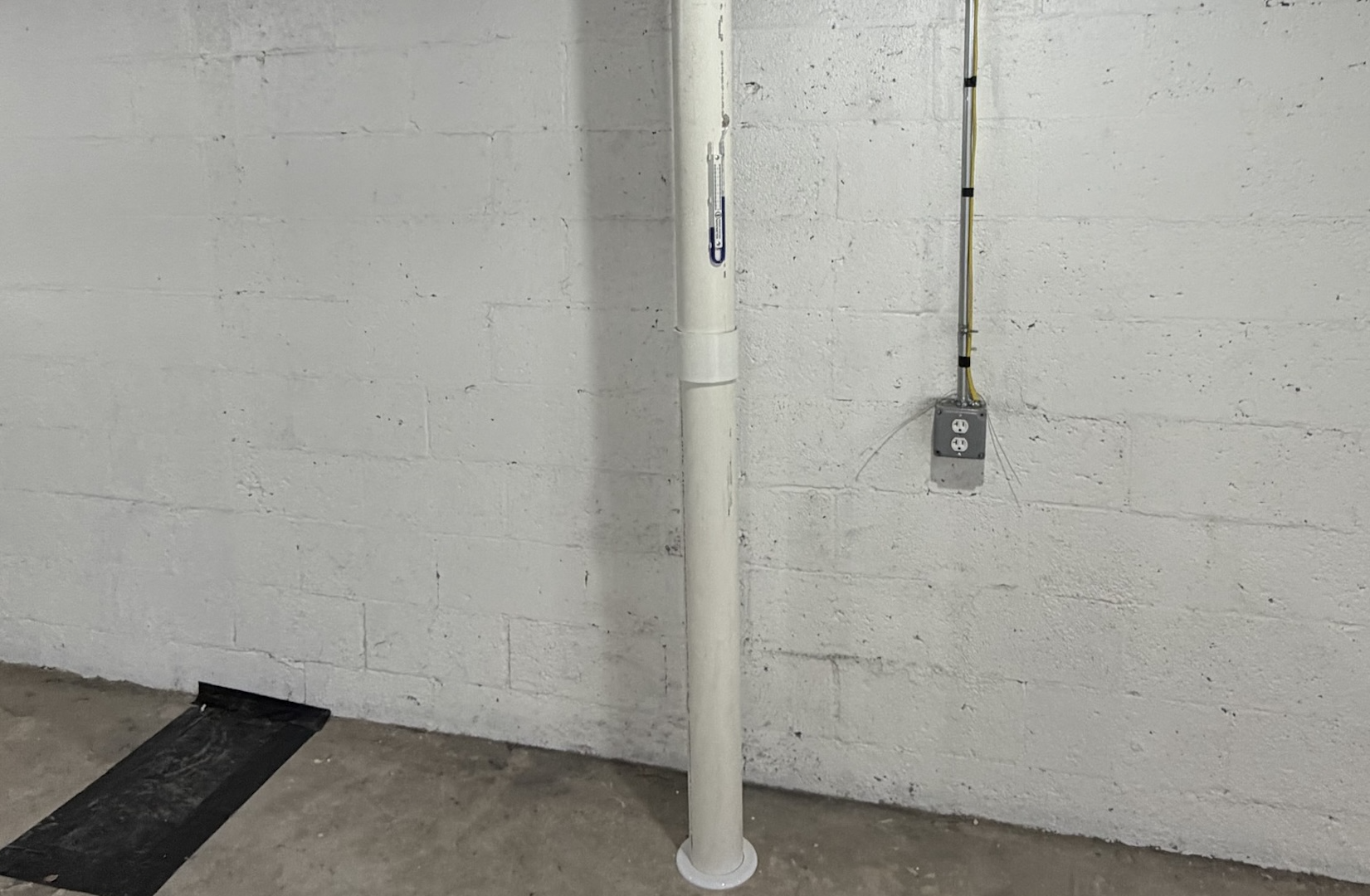
For most homes, the standard solution is a sub-slab depressurization system. This system uses a specialized fan and PVC piping to pull radon gas from beneath your home’s foundation and vent it safely into the outside air. When professionally installed, these systems can reduce indoor radon levels by up to 99%.
Additional structural defenses can further support mitigation:
- Sealing Foundations: Closing cracks in concrete and gaps around plumbing helps block primary entry points.
- Sump Pit Covers: Installing airtight lids on sump pits prevents soil gases from escaping into the basement.
- Crawl Space Encapsulation: Using a heavy-duty plastic barrier to cover exposed soil can significantly reduce radon infiltration in older homes.
For homes where radon is entering through the water supply, point-of-entry treatment systems, such as aeration or granular activated carbon filters, are installed to strip the gas from the water before it ever reaches your faucets or showerheads.
Why Early Radon Testing Matters
Early radon testing is the only proactive way to protect your family from a “silent” health threat. Because radon is colorless, odorless, and tasteless, it can accumulate to dangerous levels without anyone in the household ever knowing.
Since the health risks associated with radon, specifically lung cancer, often take years or even decades of chronic exposure to develop, identifying and fixing the problem today can prevent a life-threatening diagnosis in the future.
In high-risk regions like Northeastern Pennsylvania, where 40% of homes exceed the action level, testing shouldn’t be a one-time event. H By making radon testing a regular part of your home maintenance, you ensure that your indoor air remains safe and that any necessary mitigation is handled before long-term damage to your health can
Frequently Asked Questions
Can I smell or see radon in my home?
No. Radon is completely colorless, odorless, and tasteless. You cannot detect radon through physical senses, which is why testing is the only way to identify it.
How long does radon exposure take to cause cancer?
Lung cancer from radon typically develops 5-25 years after prolonged exposure to elevated concentrations. Risk increases with both radon level and exposure duration.
Do air purifiers remove radon?
No. Air purifiers filter particles but cannot remove radon gas. The only effective reduction methods are ventilation or active soil depressurization systems that prevent radon entry.
Should I test every floor of my home?
Start with the lowest lived-in level where radon concentrations are typically highest. If basement results exceed 4 pCi/L, first-floor testing helps determine whole-house exposure, but mitigation systems usually reduce radon on all levels.
Does opening windows reduce radon?
Temporarily. Open windows dilute indoor radon, but don’t stop entry. Concentrations return to elevated levels once windows close. This strategy doesn’t provide reliable long-term protection, especially during winter when homes stay sealed.
Is radon only a basement problem?
No. While basements typically show the highest concentrations due to soil contact, radon reaches upper floors through air circulation. Homes without basements—built on slabs or crawlspaces—also accumulate radon.
Can radon cause other health problems besides lung cancer?
Radon exposure is specifically linked to lung cancer. No conclusive evidence connects radon to other cancers or health conditions. However, lung cancer from radon represents a significant preventable health risk.
How accurate are home radon test kits?
EPA-approved test kits provide accurate results when placement and timing protocols are followed correctly. Lab analysis introduces minimal error. The main accuracy factor is test duration: longer tests better represent true annual average exposure.
Do radon levels change over time in the same house?
Yes. Radon concentrations fluctuate daily, seasonally, and year-to-year based on soil moisture, barometric pressure, snow cover, and home operation. A previously low-radon home can develop elevated levels, which is why the EPA recommends retesting every 2 years.

How to Conduct Commercial Realty Due Diligence in NEPA
In Northeastern Pennsylvania (NEPA), skipping due diligence can trigger significant losses under laws like the Comprehensive Environmental Response, Compensation, and Liability Act (CERCLA), which holds owners liable for historical contamination.
A $2 million Wilkes-Barre warehouse might appear structurally safe but may not meet code or contain hidden environmental hazards, such as leaking underground storage tanks. According to EPA Brownfields data, remediation for such sites averages $140,000, potentially erasing a buyer’s equity instantly.
A thorough due diligence process mitigates these risks by uncovering “deal-breaking” problems, from unrecorded municipal liens to flooding issues, before you close. Your due diligence investigation should include:
- Market & Zoning Analysis: Verifies that your intended use is legally permitted and supported by local comparable sales data.
- Commercial Property Inspections (PCA): Evaluates complex HVAC systems, roofing, and structural masonry common in the region’s historic corridors.
- Title Searches & ALTA Surveys: Clears subsurface mineral rights disputes and ensures the property is free of hidden encumbrances.
- Phase I Environmental Site Assessments (ESA): Establishes the “Innocent Landowner Defense” and identifies “Recognized Environmental Conditions” (RECs).
This guide provides a technical roadmap for navigating the NEPA commercial landscape, ensuring your acquisition meets the highest standards of institutional investment and long-term profitability.
Why Commercial Due Diligence Matters in NEPA
Thorough due diligence in NEPA acts as your financial shield, uncovering hidden risks before they become your legal and financial responsibility. By identifying issues early, you gain critical advantages in the negotiating process:
- Liability Protection: Documents the property’s condition to establish the “Innocent Landowner Defense,” protecting you from historical contamination and cleanup costs.
- Negotiating Power: Transforms “hidden” defects—like coal-related subsidence or structural distress—into documented leverage to demand seller repairs or a lower purchase price.
- Equity Preservation: Ensures your investment isn’t wiped out by “silent” defects that often cost more to fix than the property’s original value.
- Informed Decision Making: Provides a clear picture of the true cost of ownership, allowing you to move forward with confidence or walk away from a bad deal.
By integrating professional property inspections, comprehensive title searches, and Phase I environmental assessments, you transform these regional risks into a strategic roadmap for a secure investment.
How to Conduct Commercial Due Diligence in NEPA
Executing a thorough due diligence strategy requires a multi-step approach to verify a property’s physical, legal, and financial viability within the Pennsylvania market.
Step 1: Market Analysis & Financial Feasibility
Before committing money to a purchase, verify that the property’s income potential aligns with current NEPA economic trends and localized data.
- Comparable Market Analysis: Validate the purchase price by reviewing recent sales and lease rates for similar assets in sub-markets like the Scranton/Wilkes-Barre corridor. This ensures you aren’t overpaying based on inflated projections.
- Pro Forma & Expense Audit: Move beyond the seller’s “marketing” numbers. Audit actual utility costs, historical vacancy rates, and the risk of property tax reassessment—a common trigger in Pennsylvania after a sale—to ensure your net operating income (NOI) is realistic.
A rigorous market analysis is critical for accuracy; for stabilized assets with ample comparable data, a well-supported appraisal typically lands within 5–10% of the eventual sale price, whereas guessing can lead to massive valuation gaps.
Step 2: Order a Commercial Property Inspection in NEPA
An important part of evaluating a property’s financial feasibility is evaluating its condition and budgeting for future repairs.
Hire a licensed commercial inspector who specializes in industrial, retail, or office properties. Commercial inspections evaluate the physical condition of buildings and systems, including:
- Structural Components: Foundation cracks, load-bearing walls, floor integrity, and roof structure all affect safety and value. Inspectors measure deflection, check for settlement, and identify water damage.
- Building Systems: HVAC units, electrical panels, plumbing lines, and fire suppression systems require specialized knowledge. Commercial inspectors test functionality and estimate the remaining useful life for each system.
- Code Compliance: ADA accessibility, fire exits, emergency lighting, and occupancy limits must meet current standards. Violations create liability and require costly upgrades before you can operate legally.
- Environmental Concerns: Asbestos, lead paint, mold, and radon appear in older NEPA buildings. While Phase I ESAs handle soil and groundwater contamination, building inspections identify hazardous materials inside structures.
Properties in Lackawanna and Luzerne counties face unique risks from historical mining activity that creates ground instability.
In NEPA, inspectors also check for coal-mining subsidence damage and water intrusion caused by freeze-thaw cycles.
A commercial inspection costs $500 to $2,500, depending on property size and complexity. This investment prevents surprise repairs that run into six figures after purchase.
Step 3: Complete a Title Search and Review
Title searches verify legal ownership and uncover liens, easements, or claims against the property. These searches uncover hidden title defects that can prevent you from selling the property later or lead to legal disputes over ownership.
You conduct them by hiring a title company or real estate attorney to examine public records in the county where the property sits. For NEPA properties, this means searching records in Lackawanna, Luzerne, Wayne, or surrounding counties.
What Title Searches Reveal
Title professionals review deeds, mortgages, judgments, tax records, and court documents going back 30-50 years. This search identifies any party with a legal claim or interest in the property.
Common title issues in NEPA include unpaid property taxes, contractor liens, mineral rights disputes, and boundary disagreements. Coal mining history in the region creates additional complications with mineral rights and subsurface ownership.
Critical title documents to review include
- Chain of Title: This document traces every owner and transfer of the property. Gaps or irregularities in the chain create ownership questions that require legal resolution.
- Liens and Judgments: Unpaid debts attach to properties, not people. Tax liens, mechanic’s liens, and judgment liens must be satisfied before or at closing to clear the title.
- Easements and Restrictions: Utility companies, neighbors, or government entities may have rights to use portions of your property. Easements affect how you can develop or modify the site.
- Zoning Verification: Title searches confirm current zoning matches your intended use. A property zoned for retail can’t legally operate as a warehouse without variance approval.
According to the American Land Title Association, title defects appear in 25% of all property transactions. Professional searches catch these problems before they become your responsibility.
Title Insurance Protection
Title insurance protects against undiscovered defects that surface after purchase. Even thorough searches can miss historic claims or forged documents in the chain of title.
Owner’s title insurance costs 0.5-1% of the purchase price as a one-time premium. This policy defends against claims and pays losses if someone successfully challenges your ownership.
Step 4: Commission a Phase I Environmental Site Assessment
A Phase I Environmental Site Assessment (ESA) provides liability protection against hidden environmental hazards under federal environmental law. Because property owners can be held responsible for historical contamination they didn’t cause, this assessment serves as the primary tool for establishing the Innocent Landowner Defense.
Rather than invasive testing, this process relies on specialized environmental consultants to identify Recognized Environmental Conditions (RECs) through a rigorous review of historical records and site reconnaissance. By adhering to the updated ASTM E1527-21 standards, this investigation surfaces potential “deal-killers”—such as underground storage tanks or chemical plumes—before you inherit the legal and financial obligation to clean them up.
What Phase I ESAs Include
This assessment targets three primary areas to evaluate risk:
- Historical & Regulatory Review: Consultants audit Sanborn Fire Insurance maps, aerial photography, and government databases to trace a property’s past. This is important in NEPA, where former coal veins, dry cleaners, or manufacturing plants often leave behind hidden environmental contamination.
- Site Reconnaissance: A physical inspection identifies visible red flags, such as underground storage tank (UST) vent pipes, stained soil, stressed vegetation, or chemical drums.
- Interviews: Discussions with current owners, occupants, and local government officials often reveal undocumented spills or historical land uses not found in public records.
By identifying these environmental liabilities during the due diligence period, you ensure that you aren’t inheriting a site where remediation costs could easily exceed your total investment.
When Phase II Assessments Become Necessary
If a Phase I ESA identifies RECs, a Phase II investigation is triggered to quantify the actual risk through soil boring, groundwater sampling, and laboratory analysis. These findings dictate the scope of your legal liability and the potential for remediation costs that typically range from $50,000 to over $500,000, depending on the contaminant type.
While a standard Phase I ESA typically costs $2,000 to $5,000, a Phase II assessment is a more significant investment, often ranging from $10,000 to $50,000 depending on the complexity of the required sampling.
Creating Your NEPA Commercial Due Diligence Timeline
Due diligence timelines depend on the property’s complexity and the purchase agreement terms. Most commercial transactions allow 30-60 days for investigation, though complicated properties may require extensions.
Start with commercial inspections within the first week because structural issues can kill deals quickly. Order Phase I ESAs simultaneously since environmental assessments take 2-3 weeks to complete.
Title searches typically finish in 5-10 business days, so use this time to review financial documents, verify zoning, and analyze leases if the property includes tenants.
Budget Allocation for Due Diligence
Professional due diligence costs 1-2% of the purchase price for most commercial properties. For example, a $1 million property will require about $10,000 to $20,000 for research and due diligence.
Estimated Due Diligence Budget Breakdown
| Service Category | Estimated Cost Range | Key Considerations |
| Phase I ESA | $2,000 – $5,000 | Provides “Innocent Landowner” protection. |
| Commercial Inspection | $1,000 – $3,000 | Varies by building size and system complexity. |
| Title Work & Insurance | $1,000 – $2,000 | Covers search fees and the initial insurance layer. |
| Property Survey | $1,500 – $3,000 | Necessary for verifying boundaries and easements. |
| Legal Review | $2,000 – $5,000 | Dependent on the complexity of the purchase agreement. |
| Total Estimated Budget | $10,000 – $20,000 | Total represents approx. 1-2% of the purchase price. |
Assembling Your Commercial Due Diligence Team
Closing a successful deal in Northeastern Pennsylvania requires coordinating with a team of local experts who understand the region’s specific industrial and geological risks.
Rather than relying on national firms that may overlook localized issues like anthracite coal subsidence or specific PA DEP regulatory hurdles, you should assemble a specialized “due diligence strike team”:
- Commercial Inspectors & Engineers: Essential for evaluating aging infrastructure and structural integrity, especially in historic Wilkes-Barre or Scranton masonry buildings.
- Environmental Consultants: Critical for navigating NEPA’s industrial legacy; they provide the Phase I and II ESAs necessary to secure your liability protection.
- Real Estate Attorneys & Title Experts: These professionals resolve complex mineral rights disputes and ensure that transactions with title defects don’t impact your ownership.
- Surveyors & Land Planners: Vital for verifying property boundaries and ensuring your project complies with specific municipal zoning and parking requirements.
To maximize your protection, ensure your team communicates with one another. Your attorney should review the environmental findings for liability risks, while your inspector’s discovery of a hidden tank should immediately trigger a consultant’s review.
By coordinating these experts through a strict timeline, you can execute a smooth closing process that protects you from potential liability.
FAQs
How long does commercial due diligence take in Northeastern Pennsylvania?
Commercial due diligence typically takes 30-60 days, depending on property complexity. Simple retail spaces may finish in 30 days, while industrial properties with environmental concerns require 60-90 days.
What does a Phase I Environmental Site Assessment cost in NEPA?
Phase I ESAs cost $2,000 to $5,000 for standard commercial properties in NEPA. Larger sites or properties with complex histories cost more. Phase II assessments add $10,000 to $50,000 if contamination requires testing.
Do I need a commercial inspection for new buildings in NEPA?
Yes, new commercial buildings still require inspections because construction defects, code violations, and system issues appear even in new construction. Inspections verify that the building meets specifications and functions properly.
What title issues commonly affect NEPA commercial properties?
Common title issues in NEPA include coal mining mineral rights disputes, unpaid property taxes, contractor liens, and boundary disagreements. The region’s mining history creates unique complications regarding subsurface ownership.
Can I skip due diligence if I’m paying cash for commercial property?
No, paying cash doesn’t eliminate due diligence needs. You still face liability for environmental contamination, structural defects, and title problems regardless of financing method. Cash purchases should include the same investigation as financed transactions.
What happens if due diligence uncovers major problems?
You can negotiate price reductions, require seller repairs, request environmental cleanup, or terminate the purchase agreement. Due diligence contingencies in purchase agreements protect buyers who discover significant defects.
Are Phase I ESAs required by law in Pennsylvania?
Phase I ESAs aren’t legally required, but they’re necessary to establish the innocent purchaser defense under federal CERCLA law. Without Phase I documentation, you assume liability for all environmental contamination on the property.
What’s the difference between residential and commercial due diligence?
Commercial due diligence is more extensive because commercial properties involve complex systems, environmental liability, tenant leases, and higher financial stakes. Commercial investigations cost more and take longer than residential due diligence.