
FEMA recently redesignated thousands of properties across Northeast Pennsylvania as lying in a flood plain, forcing several residents to purchase flood insurance.
Major floods like Tropical Storm Lee in 2011 have left their mark on the region, submerging thousands of properties across Luzerne County in dangerous floodwater. However, water damage isn’t always the result of flooding or heavy snowfall, but can come from structural defects or burst pipes.
If left unresolved, continuous water damage can result in mold and mildew, a bulk of which hides beneath the surface and requires special inspection.
For homeowners looking to purchase a home in Northeast Pennsylvania, identifying water damage could be the difference between expensive repairs and mold remediation.
This guide will help you uncover signs of water damage yourself, as well as tools and services available to inspect for water damage and mold.
Why Water Damage Is Such a Serious Issue
Water intrusion can start small in the form of basement or roof leaks and slowly damage the structure of the house until major repairs are required.
According to Angi, the average cost of repairing water damage is between $3 and $7.50 per square foot, meaning that small leaks caught early can be manageable, but whole-home issues could total over ten thousand dollars easily.
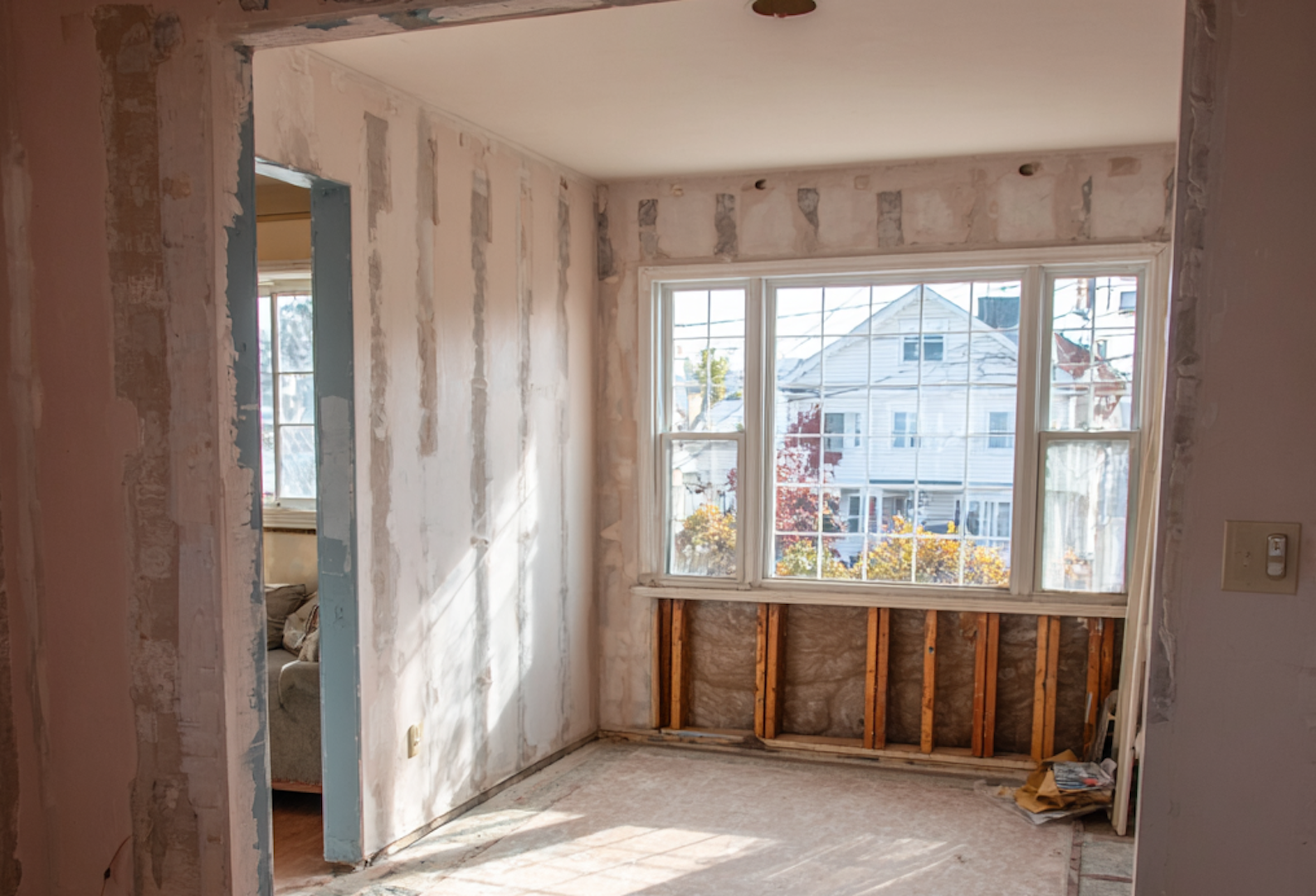
The extent of water damage is often more than meets the eye. Many homeowners may cover over previous water damage on walls and ceilings with new paint, concealing the true depth of the damage, which will be missed without a proper home inspection. Considering that a majority of homes in the region are wood-framed, water exposure to framing components and drywall can rot your home from the inside out very quickly.
Finally, as we’ll discuss below, uncovering water damage can make it difficult for homeowners to insure or acquire a mortgage. Therefore, it’s important to be proactive and spot the signs of water damage before they become unmanageable.
The Three Main Types of Water Damage
An important component of visually inspecting water damage is understanding what type of damage you are dealing with. Water damage can be classified by its source and contamination level, which directly affects cleanup procedures, health risks, and repair costs.
- Clean water damage typically comes from a controlled source—like a burst supply line, leaky faucet, or overflowing sink. While clean water seems harmless, it can soak into porous materials and cause warping or mold growth within 24 to 48 hours if not dried properly.
- Gray water damage comes from appliances such as washing machines or dishwashers. It contains mild contaminants like detergents or food residue, which can create unpleasant odors and encourage bacterial growth. If absorbed into carpets or drywall, gray water damage often requires partial replacement rather than simple drying.
- Black water damage is the most dangerous, originating from sewage backups, river flooding, or storm runoff. Black water carries bacteria, waste, and chemicals that can pose serious health risks and almost always demand professional cleanup and disinfection.
Knowing what kind of water caused the problem helps inspectors determine both how extensive the damage is and why certain repairs are necessary to prevent recurrence.
How to Spot Visible Signs of Previous Water Damage
Not all signs of water damage are obvious at first glance. Many homeowners unknowingly live with the remnants of past leaks or flooding because they’ve been cosmetically covered up. Here’s how to identify the most common clues.
- Stained or discolored walls and ceilings. Yellow, brown, or rust-colored rings on drywall or plaster suggest that water once seeped behind the surface. Even if painted over, these stains often bleed back through over time.
- Peeling or bubbling paint. Moisture is trapped beneath the surface. As water vapor pushes outward, it causes the paint to lose adhesion, blister, or flake. This often happens near bathrooms, basements, or exterior walls that weren’t properly sealed.
- Warped or buckled flooring. Hardwood planks that cup or laminate panels that swell at the edges are telltale signs of a past leak or high humidity. In flood-prone parts of Pennsylvania, basement flooring often hides this damage under rugs or vinyl overlays.
- Musty odors. If you notice a damp or earthy smell in a finished basement, crawl space, or under a sink, it’s often a sign of mold or residual moisture trapped inside materials.
- Mold or mildew growth. Appears as black, green, or white spots along baseboards, corners, or behind furniture. Mold doesn’t appear unless there’s been sustained moisture, so its presence almost always points to prior water intrusion.
- Sagging ceilings or softened drywall. These structural changes occur when materials lose rigidity after prolonged exposure, often from roof leaks or pipe bursts hidden in upper floors.
If you spot any signs of current or previous water damage, contact a professional home inspector right away to determine the extent of the damage.
How Home Inspectors Spot Hidden or Structural Water Damage
Professional home inspectors use specialized tools and techniques to detect water damage that isn’t visible to the naked eye.
Inspectors often begin with moisture meters to measure the exact moisture content within walls, ceilings, and floors. By comparing readings across different sections of the home, they can determine where water was absorbed and how far it spread.
They also use infrared (thermal) cameras to locate cold spots that indicate trapped moisture. Water cools more slowly than dry materials, so these cameras can reveal leaks behind walls, under insulation, or around window frames—areas that may look fine on the surface.
Inspectors will check attics and crawl spaces for subtle indicators such as rusted nails, water-stained insulation, or discolored sheathing. These spaces often reveal roof leaks or poor ventilation that can lead to long-term dampness.
Finally, they will inspect plumbing systems and foundation areas, looking for mineral deposits, corrosion, or efflorescence—a white powdery substance that forms when moisture seeps through masonry. These signs tell inspectors how water traveled through the home and why certain repairs may be needed to stop future leaks.
Because water can move in unpredictable ways, professional inspections are often the only way to uncover the full extent of damage after storms or floods.
Does Previous Water Damage Affect Home Insurance?
Water damage can impact your home insurance, but the impact depends on how and why the damage occurred. Insurance companies distinguish between sudden events, like burst pipes, and gradual problems, such as long-term seepage. Sudden damage is typically covered, while gradual damage is often excluded.
Homes in designated flood zones, such as along the Susquehanna or Lackawanna Rivers, may also require separate flood insurance. Standard homeowners’ policies do not cover flood-related damage, which is why documentation from professional inspections can make a big difference when applying for coverage or filing claims.
Insurers may raise premiums or limit coverage if a home has a history of multiple water claims. Having a clear inspection report that shows how and when damage was repaired helps protect your eligibility and ensures transparency during property sales.
How to Protect Your Home from Future Water Damage
Preventing future water damage in Pennsylvania starts with understanding how local weather and terrain affect your property. Here’s how to reduce the risk of future water damage:
- Inspect your roof and gutters twice a year. Clean debris and check for damaged shingles before snow or heavy rain arrives.
- Seal foundation cracks. Use waterproof epoxy or sealant to prevent groundwater from seeping through basement walls.
- Install or maintain a sump pump. Test it before storm season to ensure it can handle runoff and snowmelt.
- Improve drainage around your property. Extend downspouts at least five feet away from your foundation to keep water moving downhill.
- Maintain proper indoor humidity. Use dehumidifiers in basements or crawl spaces to keep moisture below 50%.
- Schedule annual inspections. Professional home inspections catch minor leaks, roof wear, or ventilation problems before they turn into costly repairs.
Taking these steps helps protect your home against the same threats that cause widespread damage across Northeast Pennsylvania each year.
FAQs
What areas in Northeast Pennsylvania are most prone to flooding?
Low-lying regions along the Susquehanna River, such as Kingston, Forty Fort, and West Pittston, are in high-risk flood zones. Parts of Stroudsburg, Scranton, and Wilkes-Barre have also experienced repeated basement flooding due to poor drainage and old stormwater systems.
How can I tell if a home in a flood zone has been damaged before?
Look for water lines on basement walls, rusted support beams, or signs of fresh paint that may cover old stains. A professional inspector can verify whether the damage is recent or historical using moisture and infrared tools.
Are homes with previous water damage harder to insure in Pennsylvania?
Yes. If a property has a record of frequent water claims, insurers may increase rates or require additional inspections. A clean, documented inspection report helps maintain eligibility.
How often should I schedule a home inspection for water damage?
Annually is best, especially after major storms or rapid snowmelt. Regular inspections help identify early warning signs before they develop into major repairs.