
Northeast Pennsylvania has one of the highest radon levels in the nation due to its unique geology and mineral history.
Approximately 40% of homes across the commonwealth have radon levels above the EPA-recommended level (4 pCi/L), with many older homes with poor ventilation or located on low elevations being most at risk.
Radon is a radioactive gas that forms naturally from the breakdown of uranium in soil and rock. The long-term effects of radon exposure include the risk of lung cancer, the second leading cause in the nation.
Radon testing is essential to protecting your family from harmful radon exposure and understanding your risks, as radon levels can fluctuate over time.
The region’s geology, combined with common home construction styles, makes many properties highly vulnerable to radon buildup. This guide explains which homes face the highest risk, why NEPA radon levels run unusually high, and what steps homeowners can take to stay safe.
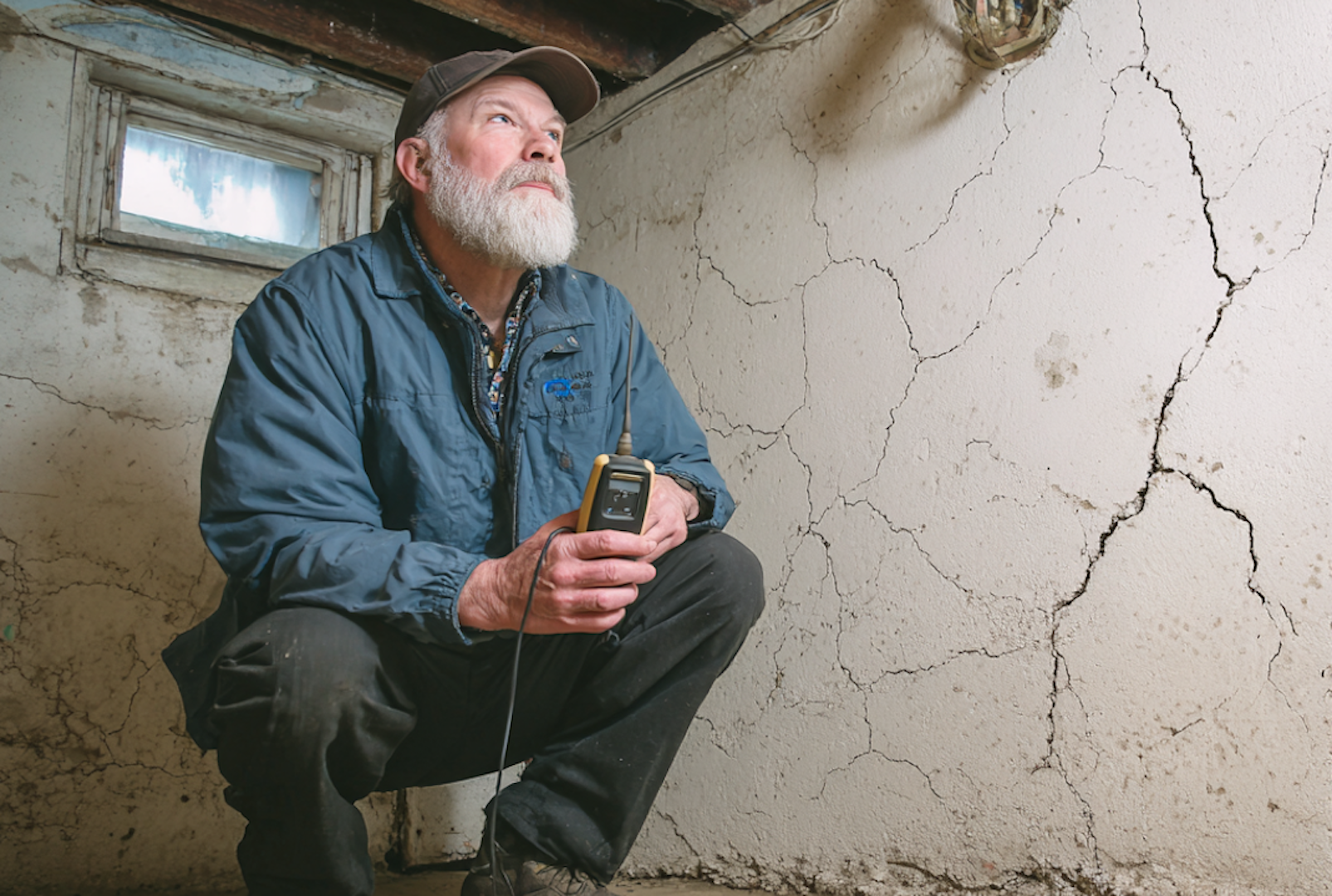
Why Are Radon Levels High in Northeast Pennsylvania?
Radon is linked to Pennsylvania’s geology. When uranium-rich rock breaks down, radon gas escapes upward through soil and into buildings. NEPA has several environmental factors that make radon more common and more dangerous than in other parts of the country:
1. NEPA’s Geology Is Naturally Uranium-Rich
Counties like Luzerne, Lackawanna, Schuylkill, Wyoming, Carbon, and Monroe sit on rock formations with higher concentrations of uranium, such as the Mauch Chunk formation near Wilkes-Barre and extending down into Jim Thorpe. As uranium decays, radon levels rise, especially in lower-elevation parts of the home.
2. Valley Geography Creates Trapped Gas Zones
The Wyoming Valley, Lehigh Gorge, and surrounding Appalachian ridges create pockets where radon can accumulate underground before entering homes.
3. Historic Mining Disturbed the Soil
Decades of anthracite coal mining fractured rock layers and changed how soil gases move. Old mine shafts and voids can act as pathways that funnel radon directly toward foundations.
4. Pennsylvania Winters Increase Exposure
Cold weather keeps homes tightly sealed, preventing radon from escaping. Heating systems also create a “stack effect,” which pulls soil gas upward into the home.
These environmental factors combine to create a perfect storm for radon accumulation in NEPA. The only way to know your home’s level is to test it.
Which NEPA Homes Are Most at Risk for Radon?
While any home can have high radon, certain property types are more vulnerable across Northeastern Pennsylvania.
1. Older Homes Built Before Modern Ventilation Standards
Older homes across Scranton, Wilkes-Barre, Hazleton, Kingston, and Pittston often lack the tight building envelopes and controlled ventilation systems found in newer construction. For example, many of these homes contain outdated building practices that may make them susceptible to radon, including:
- Dirt-floor crawl spaces
- Fieldstone foundations
- Poorly sealed sump pits or floor drains
- Natural settling and foundation cracks
These structural gaps allow radon to move freely from the soil into the living space. Even minor foundation shifts over decades can dramatically increase radon entry.
2. Homes With Basements or Crawl Spaces
Radon moves upward from the soil and slips into your home through cracks in concrete, gaps around pipes, sump pits, expansion joints, and openings in block walls.
Crawl space homes are just as vulnerable because exposed soil continually releases radon, allowing the gas to rise into the living space above.
Virtually any home with direct soil contact offers more pathways for radon to enter, making basements and crawl spaces some of the highest-risk structures in NEPA.
3. Homes Built on Coal Fields or Near Abandoned Mines
Much of Luzerne and Lackawanna County sits on former anthracite mining land. These underground voids act like natural air channels.
Neighborhoods at higher risk from radon from old mining shafts include:
- Ashley
- Hanover Township
- Nanticoke
- Sugar Notch
- Parsons
- Miners Mills
- Throop and Olyphant
4. New Construction in NEPA
Surprisingly, new homes often have higher radon levels than older ones. Many NEPA homeowners assume a new build is safe, yet the opposite is often true.
Newer homes are built tightly for energy efficiency. This increases negative pressure indoors, which literally pulls radon out of the soil more aggressively.
5. Homes Built in Valleys, Low-Lying Areas, or High-Radon Zones
Homes located in low elevation pockets—like those throughout the Wyoming Valley—are more prone to radon accumulation because soil gases naturally settle and migrate downward.
NEPA ZIP codes with consistently elevated radon results include:
- 18702, 18704, 18705 (Wilkes-Barre area)
- 18508, 18509, 18510 (Scranton area)
- 18201, 18202 (Hazleton)
- 18301–18360 (Poconos)
Even if homes are miles apart, radon levels can dramatically vary from house to house.
How Radon Enters NEPA Homes
Understanding radon entry points helps reveal why a radon inspection is essential. Radon typically infiltrates through:
- Foundation cracks
- Hollow block walls
- Sump pits
- Floor-wall joints
- Gaps around plumbing
- Crawl space vents
- Basement drains
Radon takes the path of least resistance, which is why your basement acts as a vacuum that pulls it inside.
Why Radon Testing Is Essential in NEPA
Pennsylvania law does not require radon testing in homes, but the Department of Environmental Protection strongly recommends it, especially in NEPA.
Radon is the second leading cause of lung cancer in the United States, responsible for more than 21,000 deaths each year, and NEPA consistently records some of the highest radon levels in the country. Many homes exceed the EPA’s 4.0 pCi/L action level, and it’s not uncommon for properties in the region to measure 20, 50, or even 100+ pCi/L.
Radon levels also fluctuate over time, changing with the seasons, home renovations, HVAC adjustments, and foundation settling. The only way to know your home’s current risk is through testing.
Radon testing is simple and affordable, though we do recommend hiring a professional for a short-term or long-term test. DIY kits may not accurately capture the true amount of radon that your family is exposed to.
Regular testing ensures you catch elevated levels early and protects your family’s long-term health.
Tips to Protect Your NEPA Home From Radon
While long-term radon exposure poses serious health risks, homeowners have effective ways to lower indoor levels.
The most reliable solution is a radon mitigation system, commonly known as a sub-slab depressurization system, which pulls radon gas from beneath the foundation and vents it safely outside. When professionally installed, these systems can reduce radon levels by as much as 99%, even in high-risk areas.
Additional improvements can support or enhance mitigation efforts. Sealing major cracks in the foundation reduces unnecessary entry points, and installing airtight covers on sump pits helps block soil gases from entering the basement.
Increasing ventilation—especially in basements and lower levels—can dilute radon concentrations, while encapsulating crawl spaces creates a physical barrier between living spaces and exposed soil, one of the most common radon pathways in older NEPA homes.
Together, these strategies create a comprehensive line of defense, allowing homeowners to bring radon levels down to safe, EPA-recommended thresholds.
FAQs
Are radon levels really higher in NEPA than other regions?
Yes. Northeast Pennsylvania consistently records some of the highest radon readings in the U.S. due to its geology and mining history.
Do only older homes have radon?
No. New homes—especially energy-efficient ones—can have even higher radon levels because they trap indoor air more tightly.
Is radon testing required when buying a home in Pennsylvania?
Not by state law, but many lenders and inspectors strongly recommend it.
Can radon vary between neighbors?
Absolutely. Two homes side by side can have dramatically different levels.
Is radon dangerous at low levels?
Any exposure carries risk, but the EPA recommends mitigation at 4.0 pCi/L or higher.