
Home inspections in Northeast Pennsylvania uncover access problems, deferred maintenance, and safety defects that delay closings and trigger repair negotiations.
Sellers who prepare homes before inspection reduce buyer repair requests by eliminating minor issues that clutter reports and by demonstrating that the home has been maintained properly.
Most inspection findings are not structural failures. Reports commonly note loose handrails, dripping faucets, missing GFCI protection, inoperable windows, or blocked access to mechanical systems—items that can typically be resolved quickly and inexpensively.
When inspectors cannot access electrical panels, HVAC equipment, attics, or crawl spaces, those areas are documented as “not inspected.” Buyers frequently request re-inspections, which can delay settlement and create unnecessary friction.
Preparing for a home inspection means providing full access to all systems, correcting visible maintenance items, and organizing documentation that shows the home has been properly maintained.
This guide outlines what our field inspectors evaluate and how to prepare each major system before inspection day to ensure a cleaner report.
How Preparation Reduces Negotiation and Delays
Proper preparation produces shorter inspection reports with fewer defect notes.
Buyers rely on inspection reports to request credits or repairs. A report filled with minor maintenance items creates leverage. A report littered with 30 minor issues creates different negotiation dynamics than a report listing 5 genuine defects.
Preparing for a home inspection assists your transaction by:
- Reducing surprise repair demands before they become negotiation points
- Preventing closing delays caused by avoidable deficiencies
- Demonstrating documented maintenance and responsible ownership
- Eliminating minor defects that trigger price concessions
- Allowing inspectors to move efficiently through the property
- Avoiding follow-up or re-inspections due to inaccessible areas
Preparation controls the narrative of the inspection. Instead of reacting to a long defect list, you present a property that has already been maintained and organized.
What Pennsylvania Home Inspectors Typically Check
Pennsylvania home inspectors generally follow InterNACHI or ASHI standards of practice, which outline what must be evaluated during a residential inspection. While each inspector’s approach varies slightly based on experience and property type, most home inspections examine:
- Structural components (foundation, framing)
- Roofing and flashing
- HVAC systems
- Plumbing systems
- Electrical systems
- Windows and doors
- Insulation and ventilation
- Attic, basement, and crawl spaces
- Built-in appliances
- Smoke and carbon monoxide detectors
- Exterior grading and drainage
Inspectors are not evaluating cosmetic imperfections. They are identifying material defects, improper installations, safety hazards, and deferred maintenance that could impact structural integrity, system performance, or occupant safety.
How to Prepare for a Pennsylvania Home Inspection
Preparing a home for an inspection provides the inspector with easy access to the home, ensuring nothing is hidden or obstructed. Proper maintenance and preparation also reduce the number of flaws identified during inspections, helping transactions move smoothly.
Here is a checklist of steps you can take to prepare your home for a future inspection.
1. Provide Clear Access to Major Systems and Utilities
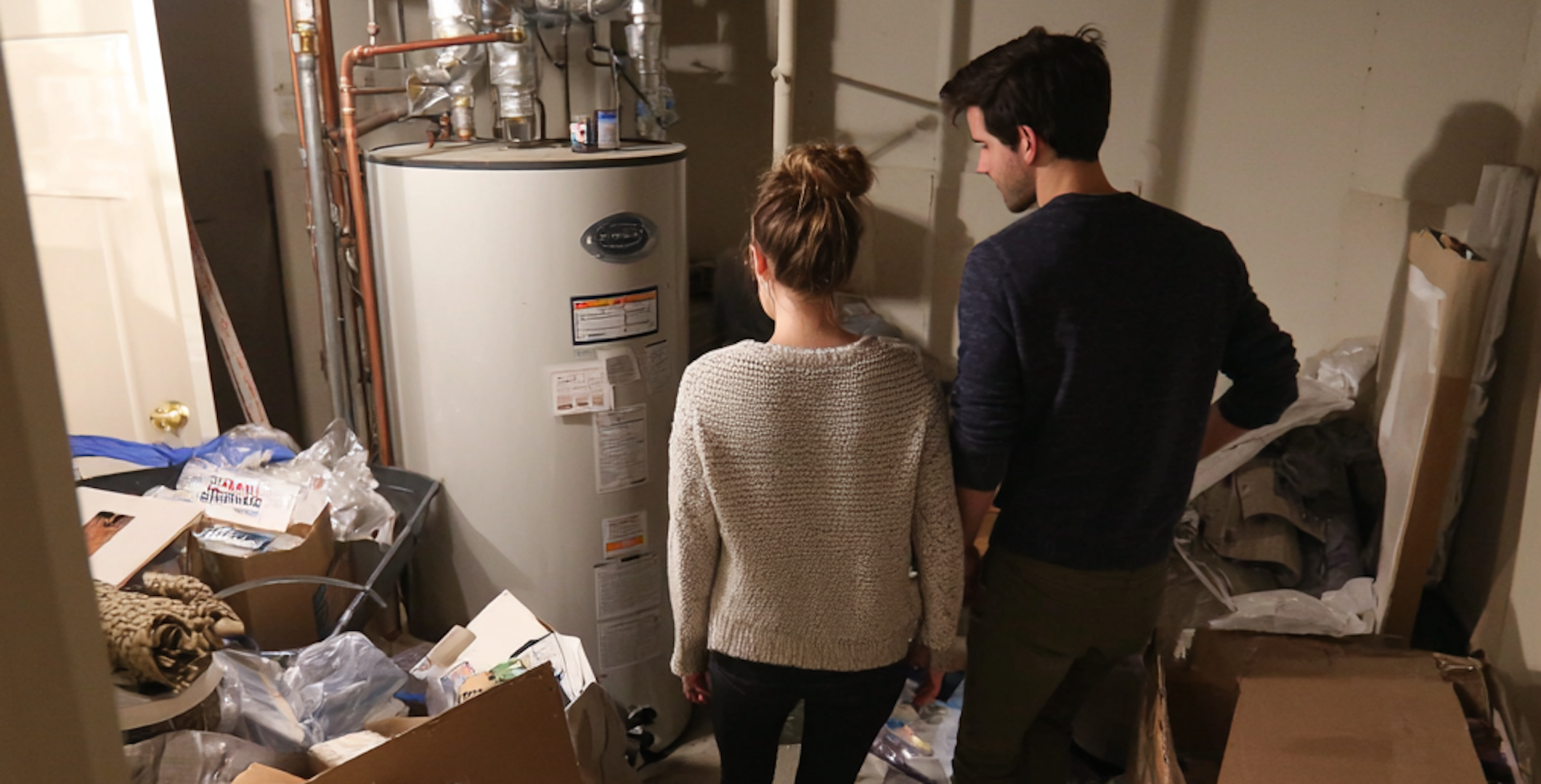
Inspectors must be able to access all primary mechanical and utility systems. If access is blocked, the area will be documented as “not inspected,” which often leads to follow-up inspections and closing delays.
Ensure clear access to:
- Furnace and air handler
- Water heater
- Main water shutoff
- Electrical service panel
- Gas shutoff valves
- Sump pumps
Remove stored items and leave at least 36 inches of clearance around mechanical components. Access issues are one of the most preventable causes of inspection delays.
2. Ensure Electrical Panels and Outlets Are Accessible
Electrical panels are inspection focal points. Remove shelving, stored items, and hanging clothes that block panels.
Inspectors remove panel covers to examine bus bars, breaker connections, and wiring. They also test outlets with GFCI testers and check for exposed wiring or loose connections.
Before the inspection, verify that GFCI outlets reset properly, tighten loose outlet covers, and ensure no exposed wiring is visible.
Federal Pacific Electric (FPE) and Zinsco panels–common in Pennsylvania homes built before 1985–will be flagged for safety concerns. These panels require full replacement.
Sellers with FPE or Zinsco panels should expect buyers to request panel replacement or price reductions of $2,500 to $4,000.
3. Make Attic, Basement, and Crawl Spaces Reachable
Attics, basements, and crawl spaces reveal structural conditions, insulation quality, moisture problems, and pest activity.
Before a home inspection, perform the following steps to ensure these spaces are clearly accessible and free of clutter.
- Ensure attic access hatch is clear
- Test pull-down ladders for proper functionality
- Leave crawlspace doors unlocked
- Ensure basement pathways are navigable
- Remove stored items that block the view of the foundation, walls, or sill plates
Inspectors examine these areas for water stains, mold growth, structural damage, and inadequate ventilation. Basements cluttered with storage prevent wall inspection and hide foundation cracks or moisture infiltration.
4. Check Roofing and Exterior Access Points
Inspectors examine roofs from ground level, ladders, or by walking on accessible roof surfaces.
Help inspectors gain clear roof access by:
- Clearing debris from gutters
- Trim branches touching the house
- Securing loose downspouts
- Unlocking fences and gates
Pennsylvania winters limit roof inspections when snow and ice cover shingles. Inspectors note weather-limited inspections in reports and may recommend spring re-inspection.
Sellers cannot prevent this, but can ensure ground-level access points remain clear.
5. Test Smoke and Carbon Monoxide Detectors
Pennsylvania law requires functional smoke and carbon monoxide detectors.
Before inspection, replace batteries in all detectors, test each unit using the test button, and verify proper placement near bedrooms and on each floor. Missing or non-functional detectors create immediate safety defect notes.
Detectors over 10 years old should be replaced regardless of function. Smoke detector sensors degrade over time and become unreliable at detecting smoke. Carbon monoxide detector sensors expire after 7 to 10 years.
6. Replace Burnt-Out Bulbs and Minor Fixtures
Small maintenance items frequently clutter inspection reports.
Replace every burnt-out light bulb in the home, tighten loose light fixtures, and replace broken switch plates and missing outlet covers. These fixes cost $20 to $50 total but prevent multiple electrical defect notes in reports.
7. Secure Pets and Remove Obstructions
Inspectors cannot inspect safely or to the best of their ability if animals are around.
Secure pets in crates, remove them from the property, or confine them to a single room with clear labeling. Aggressive or anxious pets force inspectors to skip areas, resulting in uninspected notations.
Remove obstructions that block the inspector’s movement, such as:
- Locked doors (leave keys labeled)
- Garage clutter blocking walls
- Storage blocking water heaters or panels
Locked rooms appear suspicious in reports, even when sellers have legitimate reasons for restricted access.
8. Address Minor Repairs Before Inspection Day
Small issues that commonly show up in inspection reports can be avoided with cost-effective repairs. While they aren’t deal-breakers, having these issues sorted out gives you leverage and speeds up the entire process.
Before an inspection, it’s good to address small repairs, such as:
- Leaky faucets
- Running toilets
- Loose handrails
- Missing caulk around tubs
- Cracked window panes
- Loose door handles
- Missing outlet covers
9. Gather Maintenance Records and Documentation
Provide documentation showing regular maintenance and recent upgrades. Organize records for:
- HVAC service records (annual maintenance)
- Roof replacement receipts and warranties
- Plumbing upgrades (water heater, sump pump)
- Electrical work permits and certificates
- Appliance warranties and manuals
- Septic inspection reports (if applicable)
- Well testing results (if applicable)
Documentation proves systems have been maintained and increases buyer confidence.
Roofs with documented replacement dates and remaining warranty coverage reduce buyer concerns about roof condition. HVAC systems with annual service records demonstrate proper maintenance that extends equipment life.
What to Expect on Inspection Day
Inspections typically last 2 to 4 hours, depending on home size and complexity. The inspector arrives, performs an exterior review, then examines interior systems, attic, basement, and roof. Appliances are operated, and electrical and plumbing systems are evaluated.
Buyers usually attend inspections while sellers leave to allow open discussion between the buyer and the inspector. Sellers present during inspections create awkward situations where buyers hesitate to ask questions or discuss concerns.
Inspectors provide condition reports, not pass/fail judgments. Buyers decide how to proceed after reviewing findings with their agents. Some buyers request repairs, others negotiate price reductions, and some accept the home as-is.
FAQs
What should I fix before a home inspection?
Fix safety issues and minor maintenance: burnt-out bulbs, leaky faucets, running toilets, missing outlet covers, loose handrails, and non-functional smoke detectors. These repairs cost $100 to $300 total, but prevent multiple defect notes that trigger buyer repair requests.
Do inspectors move furniture or belongings?
No. Inspectors do not move furniture, storage, or personal belongings. Inaccessible areas are marked as uninspected. Buyers often request follow-up inspections after sellers clear access, delaying closing by 7 to 14 days.
Should I clean my home before inspection?
Yes. Clean homes allow inspectors to work safely and thoroughly. Dirty homes with cluttered basements and attics prevent proper inspection and create negative impressions. Buyers interpret clutter and dirt as signs of poor maintenance, even when systems function properly.
Do I need to leave during the inspection?
Not required but strongly recommended. Buyers need to discuss findings openly with inspectors without sellers present. Sellers who attend inspections make buyers uncomfortable, preventing frank conversations about defects and repair priorities. This dynamic often leads to additional inspections and specialist evaluations after buyers privately review reports.
Can I fail a home inspection?
No. Inspections are condition reports, not pass/fail tests. Inspectors document defects and recommend repairs. Buyers decide whether defects are acceptable, require repairs, or justify price reductions.
Do inspectors check appliances?
Yes. Inspectors operate ovens, dishwashers, disposals, and other built-in appliances to verify function. They do not disassemble appliances or perform maintenance. Non-functional appliances are noted as defects. Refrigerators and washers/dryers are typically excluded unless specified in purchase agreements.
Should utilities be turned on?
Yes. Water, gas, and electricity must be on for the inspector to properly test their related systems.
What happens if the inspector can’t access certain areas?
Inaccessible areas are noted as uninspected. Buyers then request follow-up inspections after sellers clear access. Each re-inspection adds 7 to 14 days to the closing timeline and costs $200 to $400.
Does preparing well help avoid repair negotiations?
Yes. Addressing small issues will reduce buyer repair requests and can help negotiations move along more quickly.