
Buyers in Northeast Pennsylvania should get a home inspection for a new build to ensure their home is free of defects and to catch any issues before their builder’s warranty expires.
While new construction homes use modern construction standards, the finished product is rarely perfect. According to data from the National Association of Realtors, 65% of buyers who inspected their new builds found issues, and 24% did not pass the first inspection.
Take the recent example of a Sheetz in Clarks Summit, which was fully constructed but will never open due to a retaining wall issue caused by the developer.
While municipal code inspectors ensure a property meets minimum safety standards, they often spend as little as 15–20 minutes on-site, frequently missing the craftsmanship flaws and system imbalances that lead to expensive long-term repairs.
This guide explores why a third-party evaluation is your best defense against builder oversight. We cover the most common new-home pitfalls, the specific checklist our inspectors use to protect your investment, and how to navigate repairs before your warranty expires.
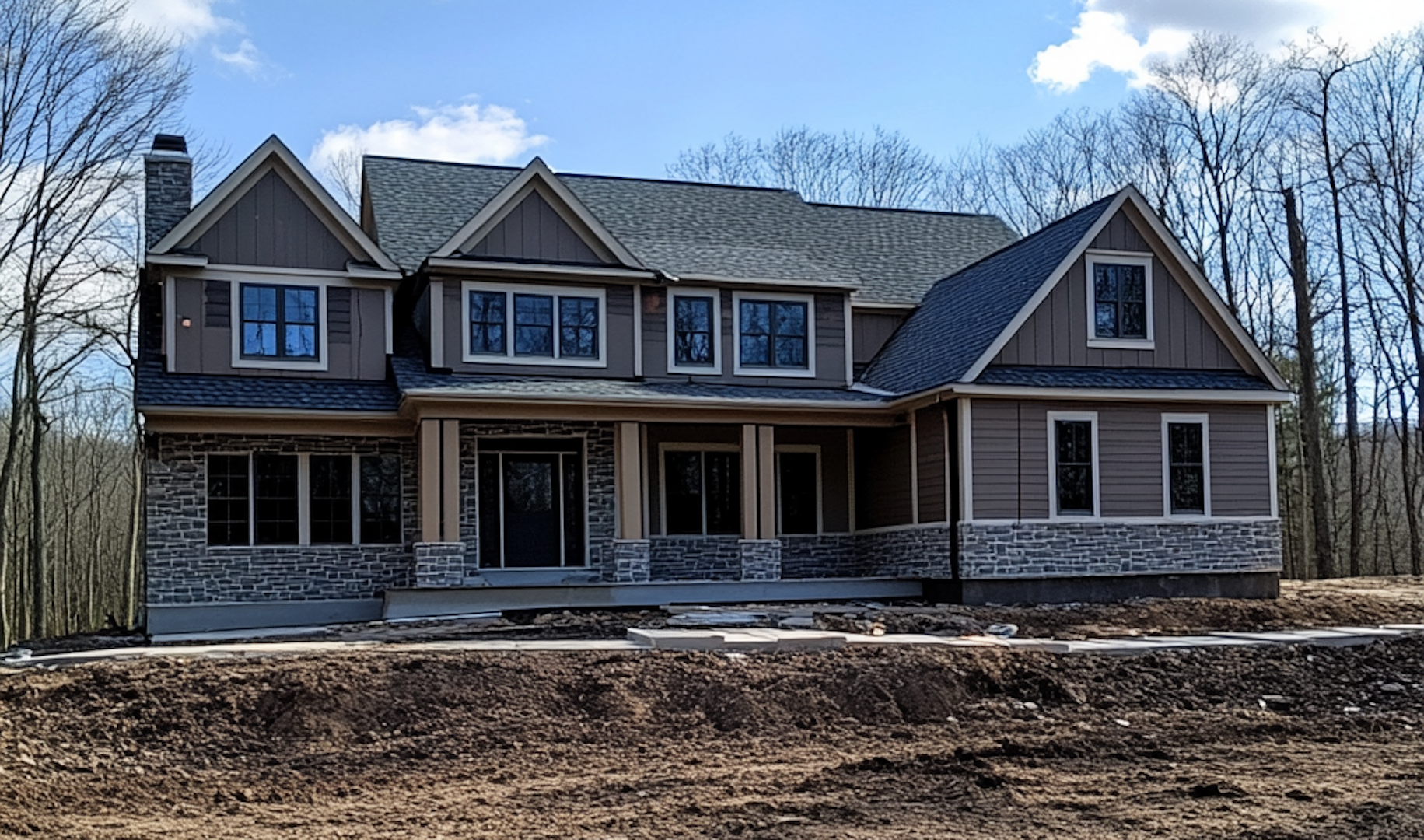
Do I Need an Inspection on a New Construction Home?
Yes, a new construction home inspection is recommended anytime you’re looking to buy a new build. In fact, as we’ll explain below, we recommend getting multiple inspections during the home’s first year to proactively address issues that may arise over the home’s life.
It’s a common misconception that new homes don’t need to be inspected because they are built to higher standards and follow local municipal code. However, code enforcement officers only inspect for very specific building requirements and don’t offer much judgment regarding craftsmanship.
Poor craftsmanship or quality materials can lead to significant issues in just about every part of the home if proper QA or an inspection doesn’t catch these.
A third-party home inspection works in your favor, giving you an unbiased, detailed report of what’s right and wrong with a new build before you finalize the sale or run out of warranty coverage.
Are Municipal Code Inspections a Substitute for a Home Inspection?
Municipal code inspections are not a substitute for a professional home inspection and only cover the minimum construction requirements related to safety code.
For example, code inspections will ensure that gas lines are pressure-treated or that certain building standards are met for ADA compliance in commercial buildings, but will not inspect the condition of the roof or foundation for structural flaws.
While both evaluations are essential during the home-buying process, they operate under different standards and have distinct objectives.
| Feature | Municipal Code Inspection | Private Home Inspection |
| Primary Focus | Minimum safety and building code compliance. | Comprehensive quality and condition assessment. |
| Scope | Basic structural, electrical, and fire safety. | In-depth evaluation of all systems (HVAC, roof, drainage). |
| Duration | Often 15–30 minutes per site. | Typically 2–4 hours for a thorough review. |
| Goal | Ensuring the home is “legal” to inhabit. | Protecting the buyer’s long-term investment. |
When to Get a New Construction Home Inspected
Ideally, a new-construction home should be inspected three times during construction and after construction: pre-drywall, final walkthrough, and post-purchase.
1. Pre-Drywall Inspection
This inspection should occur before any insulation and drywall are installed. This allows the inspector to see behind the walls and check the framing, plumbing, wiring, and HVAC layout. If there’s a problem, it will be much easier to correct now than after finishes are applied.
2. Final Walkthrough Inspection (Before Closing)
A full property inspection should be done just before you move in to check all visible systems and finishes, ensuring they were completed correctly and meet safety and performance standards.
These inspections give you a window of opportunity to request repairs or hold back final payment until issues are corrected, so don’t skip them.
3. Post-Purchase: A 1-Year Inspection
Many issues with new-construction homes may not manifest until after the homeowner has occupied the house for a few months. Since most new construction homes come with a builder’s warranty covering workmanship and materials for one year, it’s essential to have an inspection before your warranty expires to address any issues and save money.
If you want to build a new home or purchase a new construction home, don’t wait for a proper home inspection. Mountain to Valley’s home inspections can help you proactively address repairs before purchasing a new build or your warranty expires, so you save money and have peace of mind.
Common Issues Found in New Construction Homes
The most common issues found in new-construction homes in NEPA are related to craftsmanship, such as cosmetic flaws, as well as structural issues stemming from foundation settlement and soil compaction.
Based on our data from the field of inspecting both newer and older homes in NEPA, we’ve learned what issues commonly plague new homes and where exactly to look to find these issues that other inspectors might miss. That said, here are five common issues we find in new-construction homes in the area.
1. Improper Foundation Settlement
It can be difficult to tell how a new foundation will settle with time and affect the home’s overall structure. However, many key signs, such as stair-step cracks and cracked drywall, may indicate settlement issues.
Foundations are among the most expensive repairs to make, so identifying these issues early, before you are liable for their repairs, is critical.
2. Plumbing Leaks or Poor Drainage
While builders are responsible for the house’s main structure, much of the “guts” of the home will be outsourced to contractors. Unfortunately, one of the most common flaws we find with substandard contractor work is plumbing errors, such as leaks, improperly caulked fixtures, and cheap materials.
3. HVAC Imbalances
HVAC systems are among the most costly to repair and maintain, so it’s important that any new systems are installed properly and error-free. Some common issues our inspectors find with HVAC work include improper ductwork, which can lead to leaks and imbalances that damage the system over time and reduce your energy efficiency.
4. Poorly Installed Roofs
Even new roofs can suffer from common issues associated with old roofs, including popped nails, missing flashing, or inadequate attic ventilation. While you may not notice leaks or damage right away, this will quickly accelerate your roof’s deterioration. This is also one of the most difficult flaws to identify without a proper home inspection, which is why a roof inspection on new builds is so critical.
5. Craftsmanship Issues
While minor cosmetic flaws are expected, larger craftsmanship issues can signal a rushed build or poor supervision. We frequently find improperly installed flooring, uneven drywall finishes, and poorly fitted trim or cabinetry.
These gaps and misalignments can lead to drafty rooms, premature wear and tear, and a lower resale value down the line. A professional inspection ensures these finishing touches actually meet the high standards you paid for.
New Construction Home Checklist: What Inspectors Look For
A new construction home inspection covers many of the same essentials as an inspection on an older property, but with extra focus on build quality and craftsmanship. Even brand-new homes can have issues that stem from rushed work, subcontractor errors, or overlooked details
Here are the key areas a home inspector will evaluate, along with the types of questions they’ll be asking during a new construction inspection:
- Foundation and Grading: Are there any signs of poor settling, like cracked walls or ceilings? Does the ground slope away from the home? Are downspouts and drainage systems directing water properly?
- Roof and Attic: Are the shingles installed correctly? Are nail pops visible? Is flashing properly sealed? Is the attic well-ventilated to prevent moisture buildup or energy loss?
- Insulation: Is insulation installed evenly and according to local energy code standards? Are there gaps, compression, or missing areas that could affect performance?
- HVAC System: Is the HVAC system properly sized for the home? Are ducts sealed and delivering balanced airflow to every room?
- Electrical System: Are GFCI and AFCI outlets installed where required? Are outlets and switches correctly wired? Is the breaker panel clearly labeled and safe?
- Plumbing System: Are there any signs of leaks at fixtures or under sinks? Is the water pressure consistent? Are drains and venting systems functioning properly?
- Windows and Doors: Are all windows and doors square and opening smoothly? Is weather stripping in place to prevent drafts? Are locks and latches secure?
- Floors and Walls: Are floors level and free of creaks or movement? Are there any visible blemishes, nail pops, or cracks in the drywall?
- Appliances and Fixtures: Are all installed appliances functioning correctly? Have they been installed according to the manufacturer’s specifications?
- Code Compliance: Are all permits on file and up to date? Does the home meet current building codes and include a valid certificate of occupancy?
Even if everything looks brand new, hidden issues can lurk behind finished walls or under flooring, making them difficult and expensive to repair later. Getting a new home inspection helps rectify these issues before your warranty expires and ensures your home is built to modern standards.
FAQs
Do I really need an inspection for a brand-new home?
Yes. While new homes must pass municipal code inspections, those are limited in scope. A third-party inspection offers a more thorough evaluation of craftsmanship, installation quality, and potential defects before you close.
What’s the best time to schedule an inspection on a new construction home?
There are typically three key times: pre-drywall (before insulation and drywall go in), right before closing (final walkthrough inspection), and around the 11-month mark (before your builder’s warranty expires).
Will a home inspection affect my builder’s warranty?
Not at all. In fact, it reinforces it. A professional inspection report provides documented evidence of issues the builder is responsible for fixing under their warranty, helping ensure you don’t end up paying for their oversight later.
Does the builder have to fix everything the inspector finds?
While builders are generally required to fix code violations and structural defects, cosmetic issues or minor suggestions from an inspector may be subject to negotiation. It’s best to present the full report to your builder to discuss which repairs are covered under your specific contract.
Is a municipal code inspection the same as a private home inspection?
No. Municipal inspectors check for compliance with minimum safety and building codes. A private inspector looks more deeply into the quality of the work, the installation of systems (such as HVAC and plumbing), and potential long-term maintenance issues that code inspectors might overlook.
Can I be present during the new construction inspection?
Absolutely. We highly recommend being there. It’s a great opportunity to learn about your new home’s systems, shut-off valves, and maintenance requirements directly from a professional while the house is still in its clean state.
How much does a new construction inspection typically cost?
The cost varies based on the size of the home and the type of inspection (e.g., pre-drywall vs. final walkthrough). However, the price is usually a small fraction of the cost of potential repairs that might go unnoticed without a professional eye.