
Long-term radon exposure is the second leading cause of lung cancer in the United States, responsible for approximately 21,000 deaths annually, according to the EPA. In Northeastern Pennsylvania, radon concentrations frequently exceed the EPA action level of 4.0 pCi/L due to regional geology rich in uranium-bearing shale and granite.
Radon is a radioactive gas that forms when uranium in soil and rock breaks down. It seeps through foundation cracks, sump pump openings, and gaps around utility penetrations.
Once inside, radon accumulates in enclosed spaces like basements and first floors. The gas decays into radioactive particles that lodge in lung tissue when inhaled, causing cellular damage over years of exposure.
This guide explains the health risks of radon exposure in NEPA homes, identifies symptoms and warning signs, establishes safe concentration levels, and provides testing protocols for basements and living spaces.
What Makes Radon Dangerous?
Radon becomes hazardous through radioactive decay. When radon atoms break down, they release alpha particles—high-energy radiation that damages DNA in lung cells. This process creates polonium-218 and polonium-214, both radioactive isotopes that attach to dust and aerosol particles in indoor air.
You inhale these particles without even knowing. They settle in the bronchial epithelium, where continued radiation exposure mutates cells and triggers cancer development.
The EPA and World Health Organization classify radon as a Group A carcinogen, meaning it definitively causes cancer in humans.
Why NEPA Has a Higher Radon Risk than Other Areas
Northeastern Pennsylvania lies within the Reading Prong geology, characterized by uranium-rich Precambrian rock formations.
Counties such as Lackawanna, Luzerne, and Wayne consistently report indoor radon levels above the national average.
The Pennsylvania Department of Environmental Protection designates NEPA as a Zone 1 area, indicating predicted average indoor radon screening levels exceeding 4 pCi/L.
Soil permeability and indoor air pressure differentials exacerbate the problem. For example, the stack effect—where warm air rises and exits through upper floors—creates negative pressure in basements. This vacuum pulls radon from soil into living spaces through any available opening.
Older homes with basements and poor ventilation tend to carry the highest risk of elevated radon levels.
Symptoms of Chronic Radon Exposure
Radon exposure produces no immediate symptoms. Unlike carbon monoxide or natural gas leaks, radon is colorless, odorless, and tasteless and cannot be detected through physical sensation.
Health effects develop after years of exposure. Lung cancer symptoms from radon typically appear 5 to 25 years after prolonged exposure to elevated concentrations. By that point, cellular damage has accumulated significantly.
Late-Stage Warning Signs
When lung cancer from radon exposure advances, symptoms include:
- Persistent cough that worsens over time or doesn’t respond to treatment
- Coughing up blood (hemoptysis), even small amounts
- Chest pain that intensifies with deep breathing, coughing, or laughing
- Shortness of breath during routine activities
- Wheezing or hoarseness without infection
- Recurrent respiratory infections like bronchitis or pneumonia
- Unexplained weight loss and fatigue
These symptoms mirror other respiratory conditions. Medical diagnosis requires imaging (CT scans, X-rays) and sometimes a biopsy to confirm lung cancer.
Radon-induced lung cancer cannot be distinguished from smoking-related lung cancer through symptoms alone. Early testing is the only way to identify and mitigate radon exposure.
Is Radon Risk Higher in Smokers?
Smokers face 10 times higher lung cancer risk from radon compared to non-smokers, according to EPA research. Tobacco smoke damages cilia—tiny hair-like structures that clear particles from airways. This damage allows radon decay products to remain in the lungs longer, increasing radiation exposure to lung tissue.
Even former smokers maintain an elevated risk. If you smoked previously and live in a high-radon home, your cumulative lung cancer risk remains significantly higher than that of someone who never smoked.
How to Test for Radon in Your Basement
Radon testing in basements provides worst-case concentration data since radon enters primarily through foundation-soil contact.
Two testing categories exist: short-term and long-term.
- Short-Term Tests (2–7 Days): These provide a quick screening, ideally during the heating season (October–April). You must keep all windows and exterior doors closed for 12 hours before and during the test, placing the device at breathing height in the lowest lived-in level of the home.
- Long-Term Tests (90+ Days): These measure radon for 3–12 months to provide an annual average concentration. This is the most accurate way to represent true exposure risk because it accounts for daily and seasonal fluctuations caused by soil moisture and temperature changes.
To ensure the highest accuracy, a professional radon inspector will determine your home’s levels using Continuous Radon Monitors (CRMs). These specialized devices record hourly concentration patterns and include anti-tampering features, providing a detailed report that is considered the industry standard for real estate transactions.
DIY kits are available only in hardware stores, but for accurate results, it’s important to conduct a professional radon inspection. Continuous Radon Monitors have much higher accuracy and can help mitigation experts determine the right methods to reduce radon levels in your home.
If your home uses a private well, you should also consider well-water testing, as radon can be released into the air during activities like showering or dishwashing. The EPA suggests considering mitigation if water concentrations exceed 4,000 pCi/L.
How Does Radon Mitigation Work
If your testing reveals elevated radon levels, there are professional solutions that can lower exposure and protect your health.
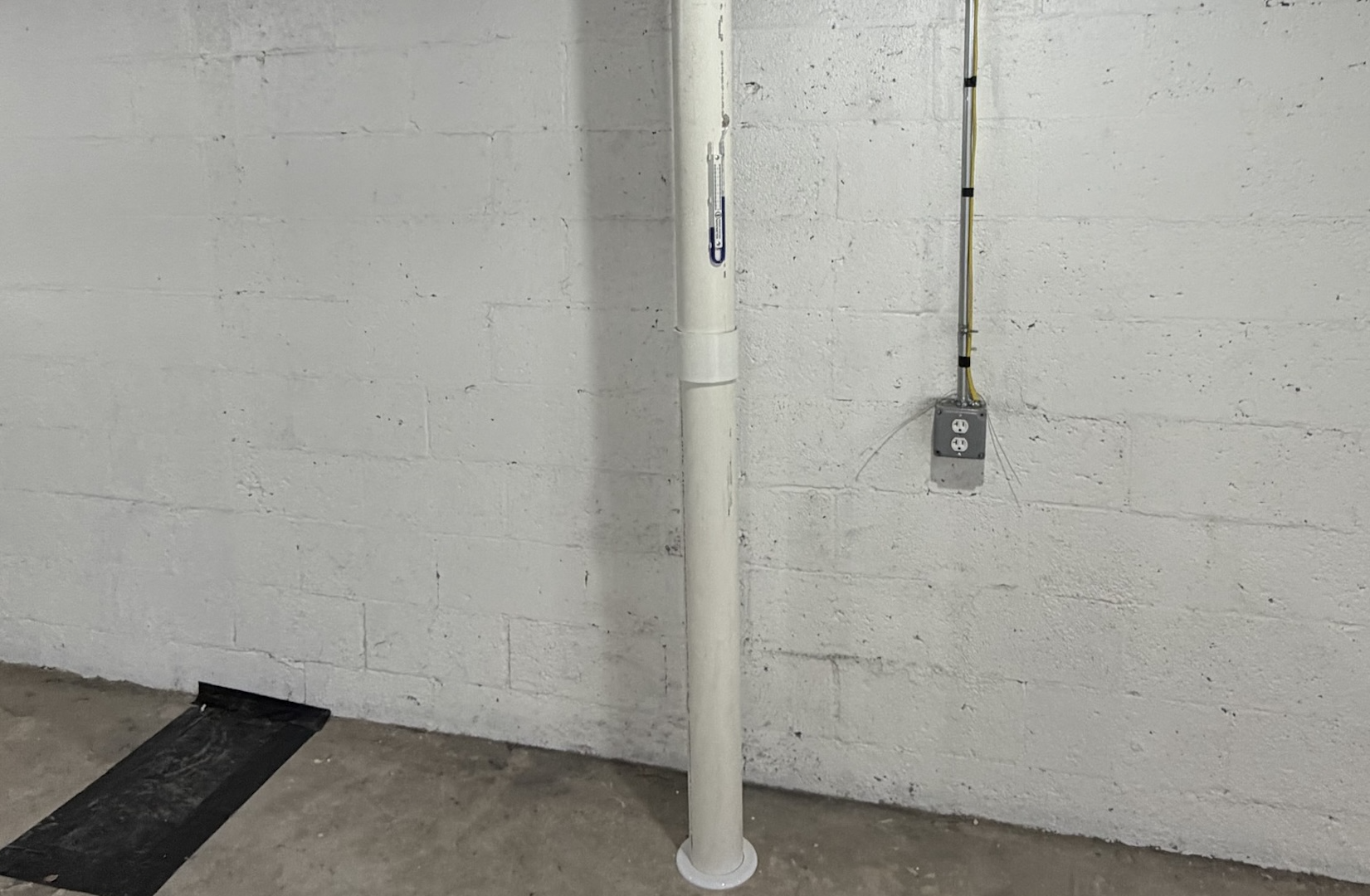
For most homes, the standard solution is a sub-slab depressurization system. This system uses a specialized fan and PVC piping to pull radon gas from beneath your home’s foundation and vent it safely into the outside air. When professionally installed, these systems can reduce indoor radon levels by up to 99%.
Additional structural defenses can further support mitigation:
- Sealing Foundations: Closing cracks in concrete and gaps around plumbing helps block primary entry points.
- Sump Pit Covers: Installing airtight lids on sump pits prevents soil gases from escaping into the basement.
- Crawl Space Encapsulation: Using a heavy-duty plastic barrier to cover exposed soil can significantly reduce radon infiltration in older homes.
For homes where radon is entering through the water supply, point-of-entry treatment systems, such as aeration or granular activated carbon filters, are installed to strip the gas from the water before it ever reaches your faucets or showerheads.
Why Early Radon Testing Matters
Early radon testing is the only proactive way to protect your family from a “silent” health threat. Because radon is colorless, odorless, and tasteless, it can accumulate to dangerous levels without anyone in the household ever knowing.
Since the health risks associated with radon, specifically lung cancer, often take years or even decades of chronic exposure to develop, identifying and fixing the problem today can prevent a life-threatening diagnosis in the future.
In high-risk regions like Northeastern Pennsylvania, where 40% of homes exceed the action level, testing shouldn’t be a one-time event. H By making radon testing a regular part of your home maintenance, you ensure that your indoor air remains safe and that any necessary mitigation is handled before long-term damage to your health can
Frequently Asked Questions
Can I smell or see radon in my home?
No. Radon is completely colorless, odorless, and tasteless. You cannot detect radon through physical senses, which is why testing is the only way to identify it.
How long does radon exposure take to cause cancer?
Lung cancer from radon typically develops 5-25 years after prolonged exposure to elevated concentrations. Risk increases with both radon level and exposure duration.
Do air purifiers remove radon?
No. Air purifiers filter particles but cannot remove radon gas. The only effective reduction methods are ventilation or active soil depressurization systems that prevent radon entry.
Should I test every floor of my home?
Start with the lowest lived-in level where radon concentrations are typically highest. If basement results exceed 4 pCi/L, first-floor testing helps determine whole-house exposure, but mitigation systems usually reduce radon on all levels.
Does opening windows reduce radon?
Temporarily. Open windows dilute indoor radon, but don’t stop entry. Concentrations return to elevated levels once windows close. This strategy doesn’t provide reliable long-term protection, especially during winter when homes stay sealed.
Is radon only a basement problem?
No. While basements typically show the highest concentrations due to soil contact, radon reaches upper floors through air circulation. Homes without basements—built on slabs or crawlspaces—also accumulate radon.
Can radon cause other health problems besides lung cancer?
Radon exposure is specifically linked to lung cancer. No conclusive evidence connects radon to other cancers or health conditions. However, lung cancer from radon represents a significant preventable health risk.
How accurate are home radon test kits?
EPA-approved test kits provide accurate results when placement and timing protocols are followed correctly. Lab analysis introduces minimal error. The main accuracy factor is test duration: longer tests better represent true annual average exposure.
Do radon levels change over time in the same house?
Yes. Radon concentrations fluctuate daily, seasonally, and year-to-year based on soil moisture, barometric pressure, snow cover, and home operation. A previously low-radon home can develop elevated levels, which is why the EPA recommends retesting every 2 years.